Unlocking the Future: How Cloud Storage is Revolutionizing Data Management
In today’s digital-first world, data is the lifeblood of businesses, governments, and individuals alike. Every click, transaction, and interaction generates vast amounts of information, creating both opportunities and challenges. Traditional data storage methods—reliant on physical servers and local hard drives—are increasingly proving inadequate for the scale and speed of modern demands. Enter cloud storage, a transformative technology that is reshaping how we manage, access, and secure data. No longer a luxury reserved for tech giants, cloud storage has become an essential tool for organizations of all sizes, driving efficiency, collaboration, and innovation. This article explores how cloud storage is revolutionizing data management and what the future holds for this dynamic field.
The Evolution of Data Storage: From Local to Cloud
For decades, businesses stored data on in-house servers or external hard drives, a system plagued by limitations. Physical storage was expensive to maintain, difficult to scale, and vulnerable to disasters like fires or floods. Backups were often cumbersome, and accessing files remotely was a rare luxury. The shift to cloud storage began in the early 2000s, pioneered by companies like Amazon with its Simple Storage Service (S3) in 2006 and followed by Google Drive and Microsoft OneDrive. Unlike traditional systems, cloud storage stores data on remote servers maintained by third-party providers, accessible via the internet from anywhere in the world.
This transition wasn’t just about convenience—it was about reimagining data management entirely. Instead of relying on hardware, organizations began leveraging software-defined, distributed networks that could scale instantly and adapt to changing needs. The cloud model introduced the concept of “pay-as-you-go,” allowing businesses to avoid massive upfront capital expenditures while aligning costs with actual usage. As internet connectivity improved and global adoption of digital services skyrocketed, cloud storage evolved from a niche solution into the backbone of modern data infrastructure.
How Cloud Storage Works: A Simple Breakdown
At its core, cloud storage functions by distributing data across multiple servers located in secure data centers around the globe. When a user uploads a file—whether it’s a document, photo, or database—the file is encrypted and split into smaller segments. These segments are then distributed across different servers, often in different geographic locations. This redundancy ensures that even if one server fails, the data remains safe and accessible. When a user requests access, the system retrieves the necessary segments, reassembles them, and delivers the file instantly.
Cloud storage providers use advanced technologies such as redundancy protocols, load balancing, and automatic failover to maintain high availability and performance. Many systems also include versioning capabilities, allowing users to restore previous versions of files in case of accidental deletion or corruption. APIs and web interfaces simplify integration with existing applications, enabling seamless workflows across platforms. Behind the scenes, artificial intelligence and machine learning are increasingly used to optimize storage efficiency, predict demand patterns, and enhance security.
Key Benefits of Cloud Storage for Businesses and Individuals
Cloud storage is more than just a digital warehouse—it’s a powerful enabler of productivity, resilience, and growth. Here are some of the most impactful benefits:
- Scalability: Cloud storage grows—or shrinks—automatically based on your needs. Unlike physical servers, which require manual upgrades, cloud solutions allow businesses to expand storage capacity in real time without downtime or hardware investments.
- Cost Efficiency: By eliminating the need for on-premises infrastructure, companies reduce capital and operational expenses. Maintenance, cooling, and energy costs are handled by the provider, resulting in significant long-term savings.
- Accessibility and Collaboration: Files stored in the cloud can be accessed from any device with an internet connection. This enables remote work, global teamwork, and real-time collaboration, making it easier than ever to share and co-edit documents.
- Security and Compliance: Leading cloud providers invest heavily in security, offering encryption, multi-factor authentication, and regular audits. Many also comply with international standards like GDPR, HIPAA, and ISO 27001, ensuring sensitive data is protected and regulatory requirements are met.
- Automatic Backups and Disaster Recovery: Cloud storage often includes built-in backup solutions, allowing users to restore data quickly in case of accidental deletion, cyberattacks, or natural disasters. This built-in redundancy is critical for business continuity.
- Environmental Sustainability: By consolidating data storage in energy-efficient data centers and optimizing server utilization, cloud storage reduces the carbon footprint associated with traditional IT infrastructure—supporting green initiatives and corporate social responsibility goals.
Cloud Storage in Action: Real-World Applications
Cloud storage isn’t confined to personal photo albums or office documents. Its applications span nearly every sector, transforming industries and unlocking new possibilities:
- Healthcare: Hospitals and clinics use cloud storage to securely store electronic health records (EHRs), share patient data across facilities, and integrate with telemedicine platforms. This improves care coordination and patient outcomes while ensuring compliance with privacy laws.
- Education: Schools and universities leverage cloud platforms to store lecture recordings, research data, and student records. Cloud-based learning management systems (LMS) enable remote education, collaboration, and interactive learning experiences.
- Finance: Banks and fintech companies rely on cloud storage for transaction records, customer data, and regulatory reporting. High-level encryption and audit trails help prevent fraud and ensure compliance with financial regulations.
- Entertainment: Streaming giants like Netflix and Spotify use cloud storage to deliver on-demand content to millions of users worldwide. The scalability of cloud infrastructure allows them to handle massive data loads without performance lag.
- Manufacturing and IoT: Connected devices in smart factories generate vast amounts of data. Cloud storage enables real-time analytics, predictive maintenance, and supply chain optimization, driving operational efficiency and reducing downtime.
Security in the Cloud: Addressing Common Concerns
Despite its many advantages, cloud storage often raises questions about security. How safe is your data in the cloud? Can it be hacked? The reality is that reputable cloud providers typically offer stronger security than most in-house systems. Here’s why:
First, data is encrypted both in transit and at rest. This means even if intercepted, the information remains unreadable without the encryption key. Second, providers deploy advanced threat detection systems powered by AI to identify and neutralize attacks in real time. Third, regular security audits and compliance certifications ensure that data handling meets the highest industry standards.
However, security is a shared responsibility. While cloud providers secure the infrastructure, users must follow best practices such as using strong, unique passwords, enabling multi-factor authentication, and being cautious of phishing attempts. Educating employees and implementing clear data governance policies are essential steps to minimize risks.
The Future of Cloud Storage: Trends and Innovations
Cloud storage is not a static technology—it continues to evolve at a rapid pace. Several emerging trends are shaping its future:
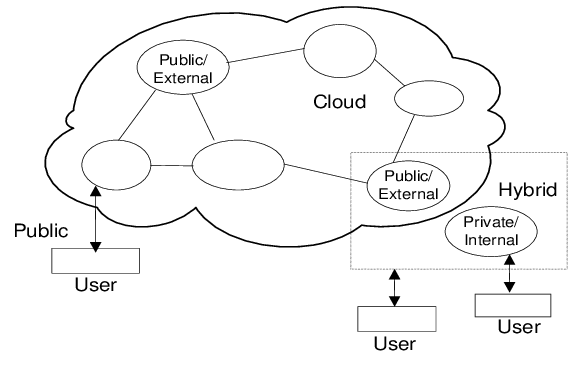
- Hybrid and Multi-Cloud Strategies: Organizations are increasingly adopting hybrid models that combine on-premises storage with public and private clouds. This approach offers flexibility, cost control, and risk mitigation by avoiding vendor lock-in.
- Edge Computing: As IoT devices proliferate, data is being processed closer to where it’s generated—at the “edge” of the network. Cloud storage is evolving to support edge computing, enabling faster response times and reduced latency for applications like autonomous vehicles and smart cities.
- AI and Automation: Machine learning algorithms are being integrated into cloud storage systems to predict storage needs, optimize data placement, and automate routine tasks like backups and archiving. AI can also detect anomalies that may indicate security threats.
- Green Cloud Computing: Sustainability is becoming a priority. Cloud providers are investing in renewable energy sources, water-efficient cooling systems, and carbon-neutral data centers to minimize environmental impact.
- Blockchain for Data Integrity: Some innovators are exploring blockchain technology to create immutable audit trails for data stored in the cloud. This could enhance transparency, traceability, and trust in data management.
Choosing the Right Cloud Storage Provider
With so many options available, selecting the right cloud storage provider can feel overwhelming. To make an informed decision, consider the following factors:
- Storage Capacity and Scalability: Ensure the provider offers plans that match your current needs with room to grow. Look for seamless scaling options without service interruptions.
- Security Features: Verify that the provider offers end-to-end encryption, regular security updates, and compliance with relevant regulations.
- Ease of Use: A user-friendly interface and intuitive mobile app can greatly enhance productivity. Consider integration with other tools your team already uses.
- Cost Structure: Compare pricing models—some charge per gigabyte, others offer flat-rate plans. Be aware of hidden fees, such as egress charges for downloading data.
- Support and Reliability: Look for providers with 24/7 customer support, high uptime guarantees (ideally 99.9% or above), and robust disaster recovery plans.
- Data Portability: Ensure you can easily migrate your data to another provider or back to an on-premises system if needed.
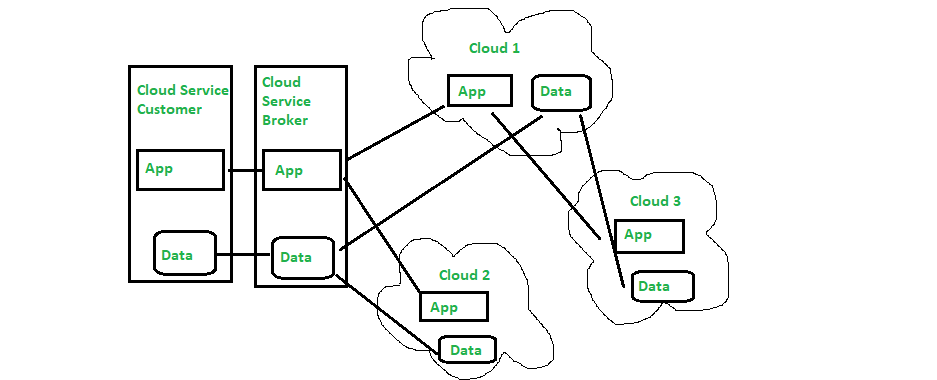
Popular providers like Amazon Web Services (AWS), Microsoft Azure, Google Cloud, and Dropbox offer different strengths. AWS and Azure are ideal for enterprises with complex needs, while Google Drive and Dropbox are more suited to individuals and small businesses. Many organizations now use a combination of services to meet diverse requirements.
Overcoming Challenges in Cloud Storage Adoption
Despite its benefits, transitioning to cloud storage isn’t without challenges. Common hurdles include resistance to change, concerns about data transfer speed, and worries about vendor lock-in. Some organizations also struggle with data classification—deciding what should stay on-premises and what can safely move to the cloud.
To overcome these challenges, start with a clear migration strategy. Conduct a thorough data audit to identify sensitive or mission-critical information that may require additional security measures. Use cloud storage for non-sensitive data first to build confidence and demonstrate value. Engage employees through training sessions to foster adoption and address concerns. Finally, work with IT teams and cloud consultants to design a phased approach that minimizes disruption.
Empowering the Next Generation of Data Management
As we move toward an increasingly data-driven future, cloud storage will remain at the heart of innovation. It enables businesses to scale effortlessly, respond to market changes with agility, and deliver seamless digital experiences. For individuals, it offers peace of mind, accessibility, and the freedom to work and create from anywhere.
Beyond its practical applications, cloud storage embodies a fundamental shift in how we view and manage information. It democratizes access to technology, allowing small startups to compete with industry giants and researchers to collaborate globally. It supports environmental sustainability and promotes digital inclusion by bridging the gap between connected and remote communities.
In many ways, cloud storage is more than a tool—it’s a catalyst for progress. By embracing this technology, we’re not just storing data; we’re unlocking the potential of the future. Whether you’re a business leader, educator, healthcare professional, or everyday user, adopting cloud storage is a step toward building a smarter, more connected, and resilient world.
As the digital landscape continues to evolve, one thing is clear: the future of data management is in the cloud—and that future is already here.