Introduction & Background
Blockchain technology has long been associated with cryptocurrencies like Bitcoin, but its potential extends far beyond digital money. Over the past decade, blockchain has evolved from a niche concept into a transformative force reshaping industries across the globe. From supply chain management to healthcare, finance to real estate, blockchain is unlocking new possibilities that were once thought impossible. Its decentralized nature, transparency, and security make it a powerful tool for solving longstanding challenges in various sectors. As businesses and governments recognize its value, blockchain is no longer just an innovation in finance. It is becoming the backbone of a more efficient, trustworthy, and interconnected world. Understanding how blockchain works and where it can be applied is essential for anyone looking to stay ahead in today’s rapidly changing technological landscape.
Concept & Overview
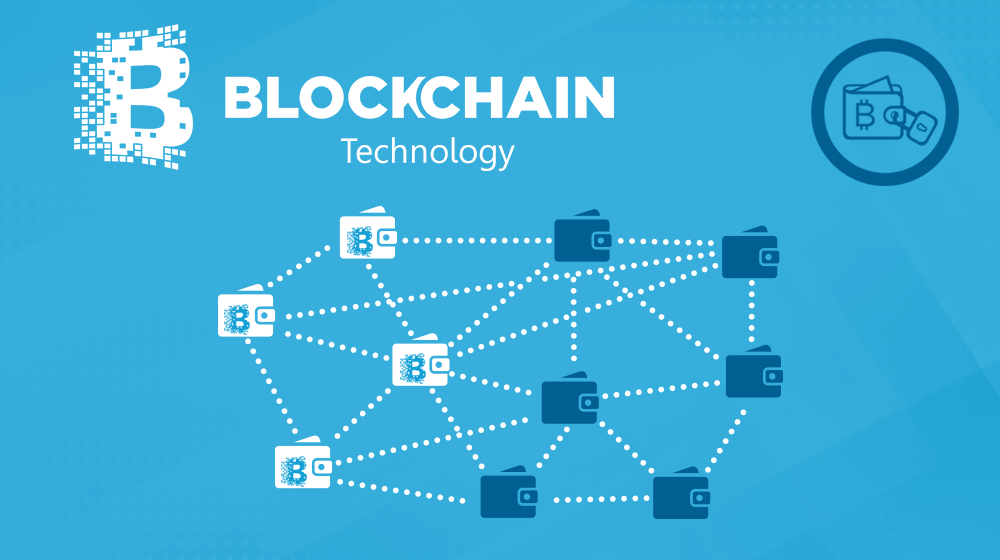
At its core, blockchain is a distributed ledger technology that records transactions across multiple computers in a way that ensures security and transparency. Unlike traditional databases controlled by a central authority, blockchain operates on a peer-to-peer network where every participant, or node, has access to the same data. Each transaction is grouped into a block, which is then added to a chain of previous blocks, forming a permanent and unalterable record. This structure makes blockchain highly resistant to fraud and tampering, as altering any single block would require changing all subsequent blocks, which is computationally infeasible. The technology relies on cryptographic hashes to link blocks together and consensus mechanisms like Proof of Work or Proof of Stake to validate transactions. By eliminating intermediaries and enabling trustless transactions, blockchain reduces costs, speeds up processes, and enhances accountability across industries.
Key Features & Highlights
- Decentralization: Blockchain removes the need for central authorities, distributing control across a network of nodes. This reduces single points of failure and increases resilience.
- Transparency & Immutability: Once recorded, data on the blockchain cannot be altered or deleted. This ensures a permanent and transparent audit trail, fostering trust among users.
- Enhanced Security: Cryptographic techniques protect data integrity, making blockchain resistant to hacking and fraud. Each transaction is encrypted and verified by the network.
- Smart Contracts: These are self-executing contracts with the terms written directly into code. They automatically enforce agreements when predefined conditions are met, reducing the need for intermediaries.
- Interoperability: Modern blockchain platforms are designed to interact with each other and with existing systems, enabling seamless integration across different technologies and industries.
- Cost Efficiency: By automating processes and eliminating middlemen, blockchain reduces operational costs, making services more affordable and accessible.
Frequently Asked Questions / Pros & Cons
What industries are benefiting the most from blockchain technology?
Blockchain is making significant impacts across multiple sectors. In supply chain management, it enhances traceability and reduces fraud by providing real-time tracking of goods. The healthcare industry benefits from secure patient data sharing and streamlined record-keeping. Financial services leverage blockchain for faster, cheaper cross-border payments and decentralized finance (DeFi) platforms. Real estate uses blockchain for transparent property transactions and smart contracts to automate agreements. Even government and public sector organizations are exploring blockchain for voting systems, identity verification, and land registries to improve trust and efficiency.
How does blockchain ensure data privacy while maintaining transparency?
Blockchain achieves a balance between transparency and privacy through cryptographic techniques. While all transactions are visible to participants in a public blockchain, the identities behind those transactions are often pseudonymous or encrypted. In private or permissioned blockchains, access is restricted to authorized users, ensuring sensitive data remains confidential. Additionally, zero-knowledge proofs and other privacy-enhancing technologies allow users to verify data without revealing the actual information, maintaining both transparency and privacy. These features make blockchain suitable for industries handling sensitive information, such as healthcare and finance.
What are the main challenges or limitations of blockchain adoption?
Despite its advantages, blockchain faces several challenges. Scalability remains a major concern, as many blockchain networks struggle to handle large volumes of transactions quickly and cost-effectively. The energy consumption associated with consensus mechanisms like Proof of Work has raised environmental concerns, prompting a shift toward more sustainable alternatives. Regulatory uncertainty is another hurdle, as governments worldwide are still defining legal frameworks for blockchain applications. Interoperability between different blockchain systems is also limited, making it difficult for networks to communicate seamlessly. Furthermore, user adoption can be slow due to the complexity of the technology and lack of awareness among businesses and consumers.
Is blockchain technology secure from cyber threats?
Blockchain is designed to be highly secure, but it is not entirely immune to risks. While the decentralized structure makes it resistant to single points of failure, vulnerabilities can still emerge in smart contracts, private keys, or the underlying code. Smart contract bugs have led to high-profile hacks, such as the DAO attack, where flaws in code allowed attackers to exploit the system. Private key management is another critical area, as losing access to private keys can result in permanent loss of funds. Additionally, 51% attacks, where a single entity gains control of the majority of the network’s computing power, pose a threat to smaller blockchains. However, continuous advancements in security protocols, auditing practices, and consensus algorithms are improving blockchain’s resilience against such threats.
Practical Guidance & Solutions
For businesses and individuals looking to adopt blockchain, starting with a clear understanding of its applications and limitations is crucial. Begin by identifying the specific problem you aim to solve, whether it is improving transparency, reducing costs, or enhancing security. Choose the right blockchain platform based on your needs. Public blockchains like Ethereum offer widespread accessibility, while private blockchains provide better control over data. Implementing smart contracts can automate processes, but ensure they are thoroughly tested and audited to avoid vulnerabilities. Collaborate with blockchain experts or development teams to design and deploy solutions tailored to your industry. Stay updated on regulatory developments to ensure compliance and mitigate legal risks. Pilot projects can help assess feasibility before full-scale adoption. Embracing interoperable solutions and energy-efficient consensus mechanisms can also address scalability and sustainability concerns. By taking a phased approach and prioritizing security and user experience, organizations can unlock blockchain’s full potential while minimizing risks.
Conclusion
Blockchain is no longer confined to the world of cryptocurrency. It is a groundbreaking technology with the power to revolutionize industries by enhancing transparency, security, and efficiency. From supply chains to healthcare, finance to government services, blockchain is creating new opportunities for innovation and trust. While challenges such as scalability, regulation, and security persist, ongoing advancements are steadily overcoming these barriers. The future of blockchain lies in its ability to integrate seamlessly with existing systems, foster collaboration across sectors, and empower individuals with greater control over their data. As more businesses and organizations recognize its value, blockchain will continue to unlock new possibilities, shaping a more connected, transparent, and efficient world. The journey has just begun, and the potential is limitless. Embracing blockchain today means positioning yourself at the forefront of tomorrow’s technological revolution.