Introduction & Background
In an era where digital transformation is reshaping industries, the demand for faster, more reliable, and secure computing solutions has never been greater. Traditional cloud computing, while powerful, faces limitations in latency, bandwidth, and real-time processing. This is where edge computing emerges as a game-changing paradigm, silently revolutionizing digital infrastructure. As the Internet of Things (IoT) continues to expand, and applications like autonomous vehicles, smart cities, and augmented reality become mainstream, the need for localized data processing grows urgent. Edge computing addresses these challenges by bringing computation closer to the data source, reducing delays, and enhancing efficiency. The shift is not just technological but strategic, positioning edge computing as the backbone of next-generation digital ecosystems.
Concept & Overview
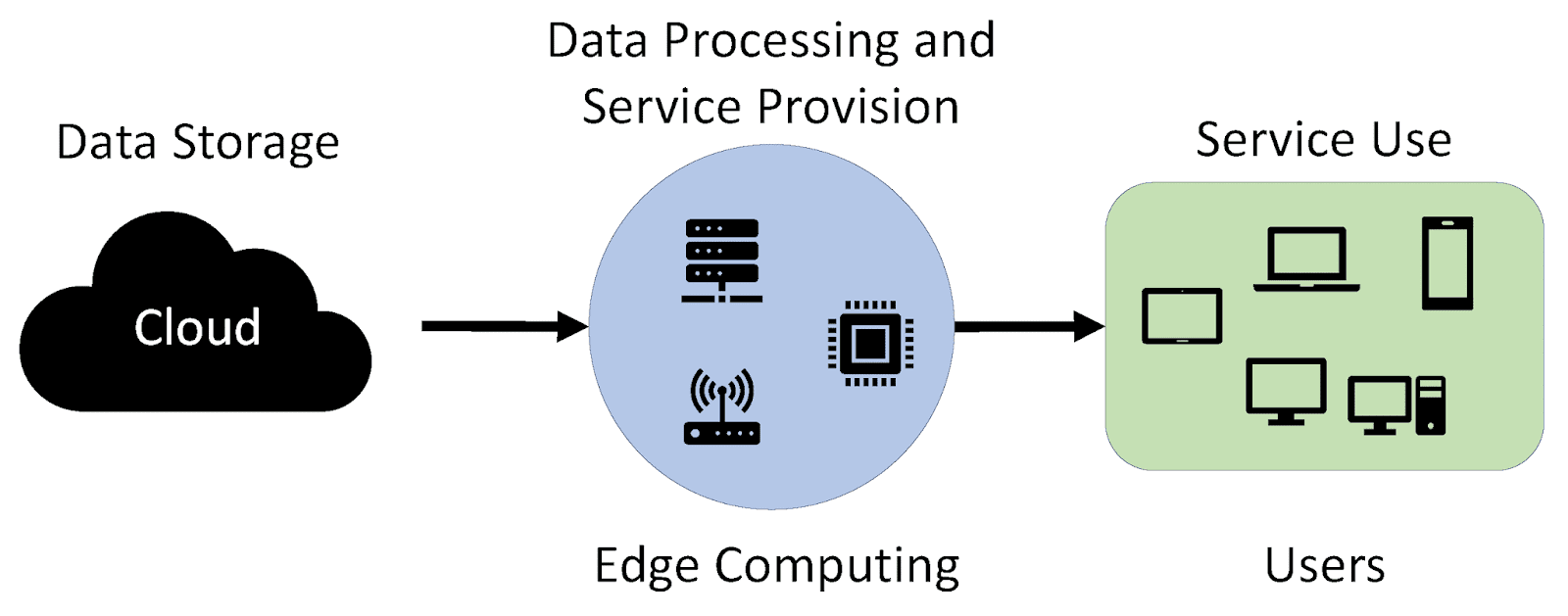
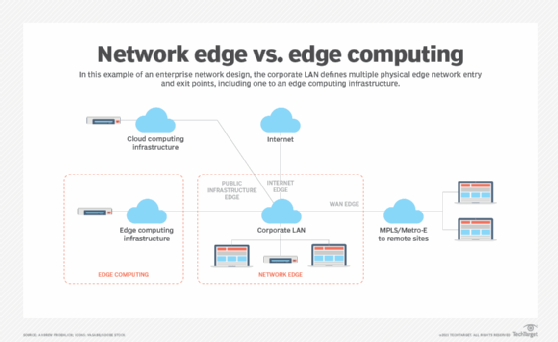
At its core, edge computing refers to the decentralized processing of data near its origin, rather than relying solely on distant cloud servers. This approach minimizes the distance data must travel, resulting in lower latency and improved performance. The concept is rooted in the idea that not all data needs to be sent to the cloud for analysis. By processing information locally, at the “edge” of the network, devices can make faster decisions, reduce network congestion, and operate more efficiently. Edge computing does not replace the cloud but complements it, creating a hybrid model where critical tasks are handled locally while less urgent data is sent to centralized servers. This architecture supports scalability, resilience, and adaptability, making it ideal for modern digital infrastructures.
Key Features & Highlights
- Low Latency: By processing data closer to where it is generated, edge computing significantly reduces the time it takes to send and receive information, which is crucial for applications requiring real-time responses.
- Bandwidth Efficiency: Transmitting only essential data to the cloud decreases network traffic, lowering costs and improving overall system performance.
- Enhanced Security & Privacy: Localized data processing reduces exposure during transmission, helping organizations comply with stringent data protection regulations and mitigate cyber threats.
- Scalability: Edge computing supports the growth of IoT ecosystems by distributing computational tasks across multiple nodes, preventing bottlenecks that occur with centralized systems.
- Reliability: Even when cloud connectivity is disrupted, edge devices can continue operating, ensuring continuous service delivery in critical scenarios.
- Flexibility: Edge computing adapts to diverse environments, from industrial IoT and healthcare to retail and smart infrastructure, offering tailored solutions for various industries.
Frequently Asked Questions / Pros & Cons
What exactly is edge computing, and how is it different from cloud computing?
Edge computing processes data at or near the source of generation, such as sensors or local devices, whereas cloud computing handles data in centralized remote servers. While cloud computing excels in large-scale data storage and complex analytics, edge computing prioritizes speed and real-time decision-making by minimizing data travel time.
What are the main advantages of adopting edge computing?
Key benefits include reduced latency, improved bandwidth efficiency, enhanced security, greater scalability, and increased reliability. These advantages make edge computing particularly valuable for applications that require immediate processing, such as autonomous driving, industrial automation, and telemedicine.
Are there any drawbacks to edge computing?
While edge computing offers numerous benefits, it also presents challenges. Managing a distributed network of edge devices can be complex, requiring robust infrastructure and advanced monitoring tools. Additionally, edge devices often have limited processing power and storage compared to cloud servers, which may restrict the complexity of tasks they can handle. Security remains a concern, as distributed systems can introduce more entry points for cyber threats if not properly secured.
Which industries are leading the adoption of edge computing?
Edge computing is gaining traction across multiple sectors. Manufacturing uses it for predictive maintenance and real-time monitoring. Healthcare leverages it for remote patient monitoring and diagnostics. Retail employs it for personalized customer experiences and inventory management. Smart cities rely on it for traffic control, energy management, and public safety systems. Even the entertainment industry benefits from edge computing to deliver low-latency streaming services.
Practical Guidance & Solutions
For organizations considering edge computing, the first step is to assess their specific needs. Identify the applications or processes that require real-time or localized data processing. Next, evaluate the current infrastructure to determine compatibility and integration requirements. Investing in edge-ready hardware, such as IoT sensors, gateways, and edge servers, is essential. Additionally, implementing strong security protocols, including encryption and authentication, will safeguard against potential vulnerabilities.
Collaborating with experienced technology partners can streamline deployment. Many cloud providers now offer edge computing solutions, integrating seamlessly with existing cloud services. Regularly updating and monitoring edge devices ensures optimal performance and security. Training teams on managing and maintaining distributed systems will further enhance adoption success. By taking a phased approach, organizations can gradually integrate edge computing without disrupting ongoing operations.
Conclusion
Edge computing represents more than just an evolution in digital infrastructure, it is a silent revolution that is redefining the way data is processed, transmitted, and utilized across industries. As the digital landscape grows increasingly complex and interconnected, the ability to make split-second decisions at the source of data generation becomes invaluable. By bridging the gap between local devices and the cloud, edge computing delivers unparalleled speed, efficiency, and reliability, empowering businesses and communities to thrive in a hyper-connected world. While challenges remain, the potential is undeniable. The future of computing is not just in the cloud, but at the edge, where innovation meets immediacy.