Securing the Edge: Innovative Strategies to Protect Your Digital Perimeter
In today’s hyper-connected world, the digital perimeter is no longer a static line in the sand—it’s a dynamic, ever-shifting frontier where data flows freely, and threats lurk in every corner. As organizations embrace cloud computing, remote work, and the Internet of Things (IoT), the traditional concept of a network boundary has blurred, making perimeter security more critical—and more complex—than ever before. The rise of edge computing, where data processing happens closer to its source rather than in centralized data centers, has further expanded the attack surface, introducing new vulnerabilities that demand innovative defense strategies. This article explores the evolving landscape of digital perimeter security, highlighting cutting-edge approaches to safeguard your organization’s most valuable assets.
The Evolution of the Digital Perimeter
The concept of a digital perimeter has undergone a dramatic transformation over the past few decades. In the early days of computing, securing the perimeter meant building a strong firewall around a company’s internal network, creating a clear boundary between trusted internal systems and the untrusted external world. However, the advent of cloud services, mobile devices, and remote work has dissolved this rigid boundary, replacing it with a porous, decentralized environment where data is constantly in motion.
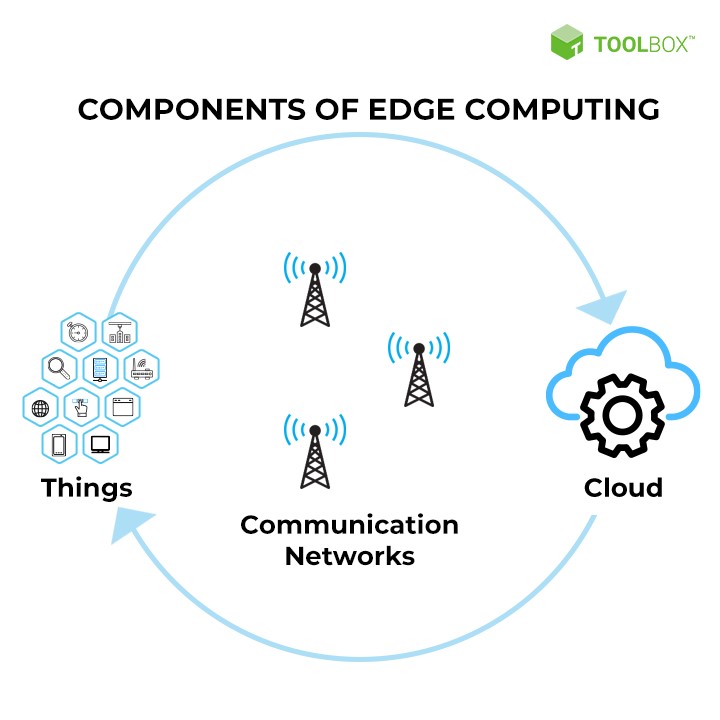
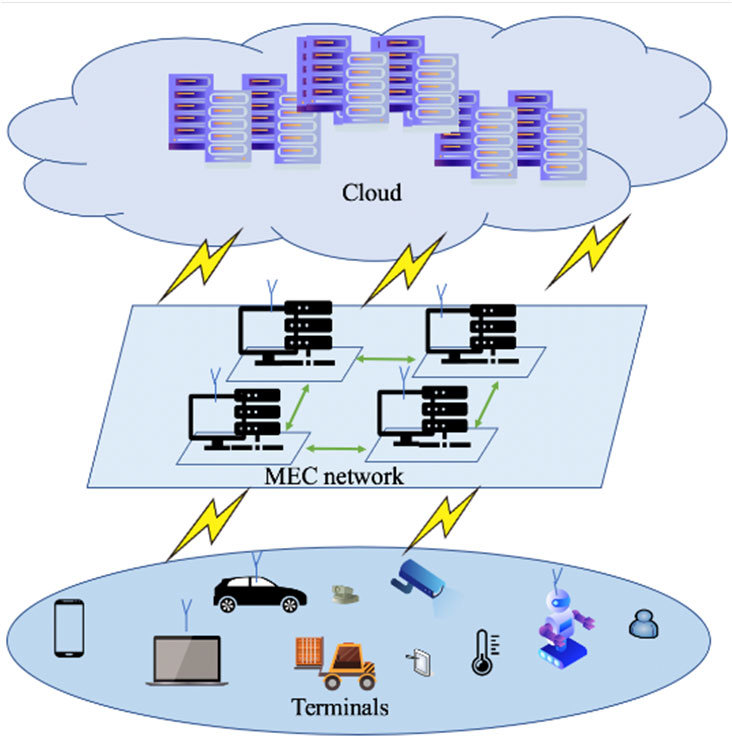
Edge computing has accelerated this shift by pushing data processing to the “edge” of the network, closer to where it’s generated. While this reduces latency and improves performance, it also introduces new security challenges. Devices at the edge—such as IoT sensors, smart cameras, and industrial control systems—often lack robust built-in security, making them prime targets for cybercriminals. Additionally, the distributed nature of edge computing means that traditional perimeter defenses like firewalls and intrusion detection systems (IDS) are no longer sufficient on their own. Organizations must adopt a more holistic, adaptive approach to security that accounts for the unique risks posed by edge environments.
Key Threats to the Modern Digital Perimeter
Understanding the threats your digital perimeter faces is the first step toward building an effective defense strategy. Some of the most pressing risks include:
- Zero-Day Exploits: Cybercriminals are constantly searching for unknown vulnerabilities in software, hardware, or firmware that can be exploited before vendors release patches. These zero-day exploits can bypass traditional security measures, leaving organizations vulnerable to devastating attacks.
- Supply Chain Attacks: Attackers are increasingly targeting third-party vendors and suppliers as a way to infiltrate larger organizations. A breach in a single vendor’s system can provide a backdoor into multiple companies, making supply chain security a critical concern.
- Insider Threats: Not all threats come from external actors. Malicious or negligent insiders—employees, contractors, or partners—can intentionally or accidentally compromise sensitive data, making internal security controls equally important.
- IoT and Edge Device Vulnerabilities: The proliferation of IoT devices has expanded the attack surface exponentially. Many of these devices lack basic security features, such as encryption or secure authentication, making them easy targets for botnets, ransomware, and other attacks.
- Distributed Denial-of-Service (DDoS) Attacks: These attacks overwhelm a system with traffic, rendering it inaccessible to legitimate users. With the rise of edge computing, DDoS attacks can target multiple points simultaneously, increasing their effectiveness and impact.
- Advanced Persistent Threats (APTs): APTs are long-term, targeted attacks where adversaries infiltrate a network and remain undetected for extended periods, stealing data or sabotaging operations. These attacks often involve sophisticated techniques like social engineering, phishing, and custom malware.
Addressing these threats requires a multi-layered security strategy that combines traditional defenses with innovative, forward-thinking approaches tailored to the modern digital perimeter.
Innovative Strategies for Securing the Edge
To protect your digital perimeter in an era of edge computing and distributed networks, you need to move beyond traditional perimeter security models. Here are some of the most innovative strategies that organizations are adopting to stay ahead of evolving threats:
1. Zero Trust Architecture (ZTA)
Zero Trust is a security framework that assumes no user or device should be trusted by default, regardless of whether they are inside or outside the network perimeter. Instead, every access request is verified and authenticated before granting access to resources. Key principles of Zero Trust include:
- Identity Verification: Every user and device must be authenticated using strong methods like multi-factor authentication (MFA) or biometrics before accessing any resource.
- Least Privilege Access: Users and devices are granted only the minimum level of access necessary to perform their tasks, reducing the risk of lateral movement in the event of a breach.
- Micro-Segmentation: The network is divided into smaller, isolated segments to limit the spread of attacks. If one segment is compromised, the attacker cannot easily move laterally to other parts of the network.
- Continuous Monitoring: Real-time monitoring and analytics are used to detect and respond to anomalous behavior, ensuring that any deviation from normal activity is quickly addressed.
Zero Trust is particularly effective in edge computing environments, where traditional perimeter defenses fall short. By treating every access request as a potential threat, organizations can significantly reduce their exposure to cyberattacks.
2. Software-Defined Perimeter (SDP)
A Software-Defined Perimeter (SDP) is a security model that dynamically creates one-to-one network connections between users and the resources they need to access, effectively hiding the infrastructure from unauthorized users. Unlike traditional VPNs, which create a broad network access point, SDP establishes secure, encrypted tunnels that are tailored to specific users and applications.
Key benefits of SDP include:
- Reduced Attack Surface: By obscuring the network infrastructure, SDP makes it harder for attackers to identify and target vulnerable systems.
- Granular Access Control: Access is granted on a need-to-know basis, with policies enforced in real time based on user identity, device posture, and other contextual factors.
- Improved Performance: SDP reduces latency by directing traffic only to the resources that users are authorized to access, rather than routing all traffic through a centralized VPN.
SDP is particularly well-suited for hybrid and multi-cloud environments, where traditional perimeter security models struggle to keep up with the dynamic nature of modern networks.
3. AI and Machine Learning for Threat Detection
Artificial intelligence (AI) and machine learning (ML) are revolutionizing the way organizations detect and respond to cyber threats. By analyzing vast amounts of data in real time, AI-driven security tools can identify patterns and anomalies that human analysts might miss, enabling faster and more accurate threat detection.
Some of the ways AI and ML are being used in perimeter security include:
- Anomaly Detection: AI algorithms can establish a baseline of normal network behavior and flag any deviations, such as unusual traffic patterns or unauthorized access attempts.
- Predictive Analytics: By analyzing historical data, AI can predict potential threats before they materialize, allowing organizations to take proactive measures to mitigate risks.
- Automated Response: AI-driven security tools can automatically respond to threats, such as isolating compromised devices or blocking malicious IP addresses, without requiring human intervention.
- Behavioral Biometrics: AI can analyze user behavior, such as typing patterns or mouse movements, to detect impersonation attempts or insider threats.
While AI and ML offer powerful capabilities for threat detection, they are not a silver bullet. Organizations must ensure that their AI models are trained on high-quality data and regularly updated to account for new and emerging threats.
4. Secure Access Service Edge (SASE)
Secure Access Service Edge (SASE) is a cloud-native security framework that combines networking and security services into a single, unified platform. By converging SD-WAN (Software-Defined Wide Area Networking) with security functions like Zero Trust, firewall-as-a-service (FWaaS), and cloud access security broker (CASB), SASE enables organizations to deliver secure, high-performance access to applications and data, regardless of where users or devices are located.
Key features of SASE include:
- Cloud-Delivered Security: Security services are delivered from the cloud, eliminating the need for on-premises hardware and reducing operational complexity.
- Global Scalability: SASE leverages a global network of points of presence (PoPs) to ensure low-latency, high-performance access to applications and data.
- Identity-Centric Security: Access is granted based on user identity, device posture, and other contextual factors, rather than relying on static network configurations.
- Unified Policy Management: Security policies are enforced consistently across all users, devices, and locations, reducing the risk of misconfigurations and gaps in coverage.
SASE is particularly well-suited for organizations with distributed workforces, multi-cloud environments, and a growing reliance on edge computing. By consolidating security and networking functions into a single platform, SASE simplifies management and improves visibility across the digital perimeter.
5. Blockchain for Enhanced Security and Trust
Blockchain technology, best known for underpinning cryptocurrencies like Bitcoin, is increasingly being explored for its potential to enhance security and trust in digital ecosystems. By creating an immutable, decentralized ledger of transactions and activities, blockchain can help organizations verify the integrity of data, authenticate users and devices, and prevent tampering or fraud.
Some of the ways blockchain is being used in perimeter security include:
- Decentralized Identity Management: Blockchain-based identity solutions enable users to control their own digital identities, reducing the risk of identity theft and fraud. By storing identity credentials on a blockchain, organizations can verify users’ identities without relying on centralized authorities.
- Secure Data Integrity: Blockchain can be used to create tamper-proof records of data transactions, ensuring that data has not been altered or compromised. This is particularly useful in industries like healthcare, finance, and supply chain management, where data integrity is critical.
- Smart Contracts for Automated Security: Smart contracts—self-executing contracts with the terms of the agreement directly written into code—can be used to automate security processes, such as access control or threat response. For example, a smart contract could automatically revoke access to a system if a user violates security policies.
- Decentralized IoT Security: Blockchain can help secure IoT ecosystems by creating a decentralized network where devices can authenticate and communicate with each other without relying on a central authority. This reduces the risk of single points of failure and makes it harder for attackers to compromise the entire network.
While blockchain holds significant promise for enhancing security, it is not without its challenges. Organizations must carefully evaluate the scalability, performance, and regulatory implications of adopting blockchain-based solutions before implementation.
Implementing a Proactive Security Posture
Adopting innovative security strategies is only the first step. To truly secure your digital perimeter, you must adopt a proactive, holistic approach to security that encompasses people, processes, and technology. Here are some key steps to consider:
1. Conduct a Comprehensive Risk Assessment
Before implementing any new security measures, conduct a thorough risk assessment to identify your organization’s unique vulnerabilities and threats. This should include:
- Mapping your digital assets and identifying critical systems and data.
- Evaluating your current security posture and identifying gaps or weaknesses.
- Assessing the potential impact of various threats, such as data breaches, ransomware, or DDoS attacks.
- Prioritizing risks based on their likelihood and potential impact, and developing mitigation strategies accordingly.
2. Foster a Culture of Security Awareness
Technology alone cannot protect your digital perimeter—your employees play a critical role in maintaining security. Foster a culture of security awareness by:
- Providing regular training and education on cybersecurity best practices, such as recognizing phishing emails, using strong passwords, and reporting suspicious activity.
- Encouraging a “security-first” mindset, where employees understand the importance of security and take ownership of protecting company data.
- Conducting simulated phishing exercises and other security drills to test employees’ readiness and reinforce good habits.
- Establishing clear security policies and procedures, and ensuring that employees understand their roles and responsibilities in maintaining security.
3. Embrace a Defense-in-Depth Strategy
A defense-in-depth approach involves layering multiple security controls to create a robust, resilient defense system. This ensures that if one layer fails, others can still provide protection. Key components of a defense-in-depth strategy include:
- Network Security: Firewalls, intrusion detection and prevention systems (IDS/IPS), and network segmentation to control and monitor traffic.
- Endpoint Security: Antivirus software, endpoint detection and response (EDR) tools, and mobile device management (MDM) to protect devices and data.
- Application Security: Secure coding practices, application firewalls, and runtime application self-protection (RASP) to safeguard applications from vulnerabilities.
- Data Security: Encryption, data loss prevention (DLP), and backup and recovery solutions to protect sensitive data.
- Identity and Access Management (IAM): Strong authentication, authorization, and audit controls to ensure that only authorized users and devices can access resources.
- Monitoring and Incident Response: Continuous monitoring, threat intelligence, and incident response plans to detect and respond to security incidents in real time.
4. Stay Ahead of the Threat Landscape
The cyber threat landscape is constantly evolving, with new threats and attack vectors emerging all the time. To stay ahead of the curve, organizations must:
- Monitor Threat Intelligence: Subscribe to threat intelligence feeds and collaborate with industry groups, government agencies, and cybersecurity vendors to stay informed about the latest threats and trends.
- Conduct Regular Penetration Testing: Simulate real-world attacks to identify vulnerabilities and weaknesses in your security posture, and use the findings to improve your defenses.
- Keep Software and Systems Updated: Regularly patch and update software, firmware, and hardware to address known vulnerabilities and reduce the risk of exploitation.
- Adopt a Continuous Improvement Mindset: Regularly review and update your security policies, procedures, and technologies to ensure they remain effective against evolving threats.
The Future of Digital Perimeter Security
The digital perimeter is evolving at a rapid pace, driven by advances in technology, changes in work patterns, and the growing sophistication of cyber threats. Looking ahead, several trends are poised to shape the future of perimeter security:
1. The Rise of Quantum-Safe Cryptography
Quantum computing poses a significant threat to traditional cryptographic algorithms, which rely on the difficulty of factoring large numbers or solving discrete logarithms. As quantum computers become more powerful, they could render these algorithms obsolete, leaving encrypted data vulnerable to decryption by malicious actors. To counter this threat, organizations are beginning to adopt quantum-safe cryptography, which uses algorithms resistant to quantum attacks. This includes post-quantum cryptography (PQC) and quantum key distribution (QKD), which leverage the principles of quantum mechanics to secure communications.
2. The Integration of Security and DevOps
The convergence of security and DevOps—often referred to as DevSecOps—is becoming increasingly important as organizations strive to build security into every phase of the software development lifecycle. By integrating security tools and practices into CI/CD pipelines, organizations can identify and address vulnerabilities earlier, reducing the risk of security incidents in production environments. DevSecOps also emphasizes collaboration between development, operations, and security teams, fostering a culture of shared responsibility and continuous improvement.
In the context of edge computing, DevSecOps is critical for ensuring that security is built into the design and deployment of edge applications and devices. This includes automating security testing, monitoring, and compliance checks, as well as implementing secure coding practices and configuration management.
3. The Growth of Decentralized Security Models
As organizations adopt decentralized architectures like edge computing, blockchain, and peer-to-peer networks, traditional centralized security models are becoming less effective. In response, decentralized security models are emerging, where security controls and decision-making are distributed across the network. This includes:
- Decentralized Identity: Users control their own digital identities, which are stored and verified on a decentralized network rather than a centralized authority.
- Decentralized Access Control: Access decisions are made based on distributed consensus mechanisms, such as blockchain-based smart contracts, rather than a central server.
- Decentralized Threat Intelligence: Threat data is shared and analyzed across a distributed network of peers, enabling faster detection and response to emerging threats.
Decentralized security models offer greater resilience against single points of failure and make it harder for attackers to compromise the entire system. However, they also introduce new challenges, such as scalability, interoperability, and governance, which organizations must carefully address.
4. The Increasing Role of Automation and AI
Automation is becoming a cornerstone of modern security operations, enabling organizations to respond to threats faster and more efficiently. AI-driven automation tools can handle repetitive tasks, such as log analysis, vulnerability scanning, and incident response, freeing up security teams to focus on more strategic initiatives. In the future, we can expect to see even greater integration of AI and automation in perimeter security, including:
- Autonomous Security Operations Centers (SOCs): AI-powered SOCs that can detect, investigate, and respond to threats without human intervention.
- Self-Healing Networks: AI-driven systems that can automatically detect and remediate security issues, such as misconfigurations or compromised devices, without requiring manual intervention.
- Predictive Threat Hunting: AI algorithms that proactively hunt for threats by analyzing historical data and identifying patterns that may indicate future attacks.
While automation and AI offer significant benefits, organizations must ensure that they maintain a balance between automation and human oversight. Over-reliance on automation can lead to blind spots, false positives, and unintended consequences, so it’s essential to continuously monitor and refine AI-driven security systems.
Conclusion: Building a Resilient Digital Perimeter
The digital perimeter is no longer a static boundary—it’s a dynamic, ever-changing ecosystem that demands a proactive, adaptive approach to security. As edge computing, IoT, and distributed networks continue to reshape the IT landscape, organizations must embrace innovative strategies to protect their data, applications, and users. From Zero Trust and Software-Defined Perimeters to AI-driven threat detection and blockchain-based security, the tools and techniques available today offer powerful ways to secure your digital frontier.
However, technology alone is not enough. A resilient digital perimeter requires a holistic approach that combines cutting-edge security solutions with strong governance, employee awareness, and a commitment to continuous improvement. By staying informed about emerging threats, adopting a defense-in-depth strategy, and fostering a culture of security, organizations can build a perimeter that not only withstands today’s attacks but is prepared for the challenges of tomorrow.
In the end, securing the edge is not a one-time project—it’s an ongoing journey. As the threat landscape evolves, so too must your security strategies. By remaining vigilant, adaptable, and forward-thinking, you can ensure that your digital perimeter remains a fortress, not a vulnerability.