The Evolution of Augmented Reality: From Concept to Everyday Reality
Augmented reality (AR) has rapidly transitioned from a futuristic idea to a transformative technology reshaping how we interact with the world. Unlike virtual reality (VR), which immerses users in entirely digital environments, AR overlays digital content onto the real world, enhancing our perception of reality rather than replacing it. The concept of AR dates back to the 1960s, but it wasn’t until the late 20th and early 21st centuries that advancements in computing power, sensors, and software made it accessible to the masses. Today, AR is integrated into smartphones, smart glasses, and even industrial tools, blurring the lines between the physical and digital realms in ways previously confined to science fiction.
The journey of AR began with early experiments like the Sword of Damocles in 1968, a primitive head-mounted display system created by Ivan Sutherland. However, it was the development of mobile AR in the 2000s—fueled by the rise of smartphones—that brought the technology into mainstream consciousness. Apps like Pokémon GO demonstrated AR’s potential for entertainment, while industries such as retail, healthcare, and manufacturing began exploring its practical applications. As AR continues to evolve, its impact is becoming increasingly visible in everyday life, from navigation aids to interactive marketing campaigns.
How Augmented Reality Works: The Technology Behind the Magic
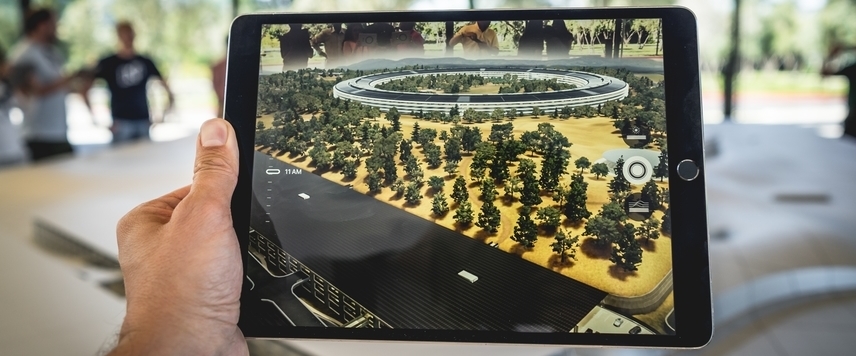
At its core, augmented reality relies on a combination of hardware and software to seamlessly blend digital elements with the real world. The process begins with the device’s camera, which captures the user’s environment in real time. Advanced algorithms then analyze this visual data to identify surfaces, objects, and even spatial relationships. Once the environment is mapped, digital content—such as 3D models, text, or animations—is overlaid onto the live feed, creating the illusion that these elements exist in the physical space.
Key components that enable AR include:
- Sensors and Cameras: Devices like smartphones, tablets, and AR glasses are equipped with high-resolution cameras and sensors (e.g., LiDAR, depth sensors) to capture and interpret the surroundings.
- Processing Power: AR requires significant computational resources to render digital overlays in real time. Modern processors and GPUs handle complex calculations to ensure smooth, lag-free experiences.
- Display Technology: AR displays can vary from smartphone screens to transparent lenses in smart glasses, such as those used in Microsoft HoloLens or Magic Leap. These displays must balance brightness, contrast, and field of view to maintain immersion.
- Tracking and Motion Sensors: Gyroscopes, accelerometers, and GPS enable devices to track the user’s movement and position, ensuring digital content stays anchored to the real world.
- Software Frameworks: Platforms like ARKit (Apple) and ARCore (Google) provide developers with tools to create AR applications, simplifying the integration of digital elements into real-world scenes.
Together, these technologies create a dynamic interface where digital and physical elements coexist. The result is an interactive experience that feels intuitive, as if the digital enhancements are a natural part of the environment.
The Impact of AR on Consumer Experiences
Augmented reality has revolutionized how consumers interact with brands, products, and services, offering personalized and immersive experiences that were once unimaginable. One of the most visible applications of AR in the consumer space is in retail and e-commerce. Brands like IKEA, Sephora, and Nike have integrated AR into their apps, allowing customers to visualize how furniture, makeup, or shoes would look in their homes or on themselves before making a purchase. This not only enhances the shopping experience but also reduces the likelihood of returns by providing a more accurate preview of products.
The entertainment industry has also embraced AR, with gaming being a prime example. Pokémon GO, released in 2016, became a global phenomenon by encouraging players to explore their surroundings while interacting with virtual creatures superimposed on the real world. Beyond gaming, AR has transformed how we consume media, from interactive billboards to AR-enhanced movies and TV shows. For instance, some films now include AR features that let viewers access behind-the-scenes content or additional scenes by scanning the movie poster with a smartphone.
Another significant impact of AR is in education and training. Interactive AR apps can bring textbooks to life by overlaying 3D models, animations, or quizzes onto printed pages. Medical students, for example, use AR to practice surgeries on virtual patients, while mechanics employ AR manuals to guide them through complex repairs. These applications not only make learning more engaging but also improve retention and skill acquisition by providing hands-on, visual experiences.
Augmented Reality in Business and Industry
Beyond consumer applications, augmented reality is making waves in industries where precision, efficiency, and safety are paramount. In manufacturing, AR is used to streamline assembly lines by providing workers with real-time guidance. For example, engineers at Boeing use AR glasses to view digital blueprints and step-by-step instructions while assembling aircraft components, reducing errors and speeding up production. Similarly, automotive companies like BMW and Ford employ AR for quality control, overlaying digital checklists onto physical parts to ensure they meet specifications.
The healthcare sector is another area where AR is driving innovation. Surgeons can use AR to visualize a patient’s internal anatomy during operations, thanks to preoperative scans projected directly onto the body. This technology helps minimize invasive procedures and improves surgical accuracy. Additionally, AR is being explored for telemedicine, where doctors can use AR glasses to guide remote assistants through examinations or procedures in real time.
In logistics and warehousing, AR is enhancing efficiency by optimizing picking and packing processes. Workers equipped with AR glasses can receive real-time instructions on where to locate items, reducing the time spent searching for products. Companies like DHL and Amazon have already adopted AR solutions to improve warehouse operations, demonstrating the technology’s potential to transform supply chain management.
The Future of AR: Trends and Predictions
The future of augmented reality is poised to be even more transformative, with advancements in hardware, software, and connectivity paving the way for new applications and experiences. One of the most anticipated developments is the widespread adoption of AR glasses, which promise a more seamless and hands-free interaction with digital content. While devices like Microsoft HoloLens and Magic Leap One have already made strides, future iterations are expected to be lighter, more stylish, and capable of delivering high-quality AR experiences without the need for a smartphone. Companies like Apple, with its rumored AR/VR headset, and Meta (formerly Facebook) are investing heavily in this space, signaling a shift toward more wearable and accessible AR technology.
Another major trend is the integration of AR with artificial intelligence (AI). AI-powered AR can enhance real-time object recognition, language translation, and even facial expression analysis, making interactions more intuitive and personalized. For example, AR glasses could translate foreign signs in real time or provide contextual information about landmarks as you walk past them. Additionally, AI can improve the accuracy of AR overlays by predicting user intent and adjusting digital content dynamically.
The rise of 5G and edge computing is also set to accelerate AR adoption by reducing latency and enabling more complex, cloud-based AR applications. With faster data transmission and lower delays, users can expect smoother, more responsive AR experiences, whether they’re gaming, shopping, or working. This infrastructure will be particularly crucial for enterprise AR solutions, where real-time data processing is essential.
Looking further ahead, the concept of the “metaverse” is closely tied to AR’s future. As virtual worlds become more interconnected with the physical world, AR will play a key role in bridging the gap between digital and real experiences. Imagine attending a virtual concert where AR overlays allow you to see digital avatars of performers in your living room or collaborating with colleagues in a shared AR workspace where digital objects are as tangible as physical ones. These possibilities hint at a future where AR is not just a tool but an integral part of how we live, work, and socialize.
Challenges and Considerations in AR Development
Despite its enormous potential, augmented reality faces several challenges that must be addressed to ensure its widespread adoption and success. One of the primary hurdles is the technology’s current limitations in hardware. While smartphones have democratized AR, they are not ideal for truly immersive experiences due to their small screens and reliance on handheld devices. AR glasses, though promising, still face issues related to comfort, battery life, and field of view. Additionally, the high cost of advanced AR hardware can be a barrier to entry for many consumers and businesses.
Another challenge is the need for more intuitive and user-friendly interfaces. Current AR applications often require users to learn specific gestures or commands to interact with digital content, which can be cumbersome. Developing natural user interfaces (NUIs) that mimic real-world interactions—such as voice commands, gaze tracking, or hand gestures—will be crucial for making AR more accessible. Privacy and security concerns also loom large, as AR systems collect vast amounts of data about users’ environments and behaviors. Ensuring that this data is protected and used ethically will be essential to maintaining user trust.
Furthermore, the content ecosystem for AR is still in its infancy. While there are many AR applications available, the quality and variety of content vary widely. Creating compelling, high-fidelity AR experiences requires significant investment in development, which can be prohibitive for smaller companies. Collaboration between developers, artists, and technologists will be necessary to build a robust library of AR content that meets diverse user needs. Finally, societal acceptance and cultural adaptation play a role in AR’s success. As with any disruptive technology, there will be a period of adjustment as people become accustomed to integrating digital elements into their daily lives.
How to Get Started with Augmented Reality
For individuals and businesses looking to explore augmented reality, there are several accessible entry points depending on your goals and technical expertise. If you’re a developer interested in creating AR applications, platforms like ARKit (for iOS) and ARCore (for Android) provide comprehensive tools and documentation to get started. These frameworks offer features like plane detection, image tracking, and environmental understanding, which are essential for building immersive AR experiences. For those without coding experience, no-code or low-code AR development tools like Adobe Aero, Zappar, or Unity’s AR Foundation can simplify the process, allowing you to design and deploy AR content without deep technical knowledge.
For businesses considering AR integration, the first step is to identify a specific use case that aligns with your objectives. Whether it’s enhancing customer engagement, improving employee training, or streamlining operations, clarity on the problem you’re solving will guide your AR strategy. Pilot projects are an excellent way to test the feasibility and impact of AR before scaling up. For example, a retail store might start by offering an AR app that lets customers visualize products in their homes, while a manufacturing company could pilot AR glasses for warehouse staff.
Individuals interested in experiencing AR can begin by exploring existing applications on their smartphones. Apps like Snapchat, Instagram, and Google Lens offer fun and practical AR features, from filters to real-time translation. Investing in AR glasses, such as the Ray-Ban Meta smart glasses or the Nreal Light, can provide a more immersive preview of what the future holds. Additionally, staying informed about AR trends through industry publications, conferences, and online communities can help you anticipate how the technology might evolve and how you can leverage it in your personal or professional life.
Conclusion: Embracing the Augmented Reality Revolution
Augmented reality is more than just a technological novelty; it is a paradigm shift that is redefining the boundaries between the digital and physical worlds. From enhancing consumer experiences to revolutionizing industries, AR is proving to be a versatile tool with applications that span entertainment, education, healthcare, and beyond. As hardware becomes more sophisticated and software becomes more intuitive, the possibilities for AR are virtually limitless. The key to unlocking its full potential lies in collaboration—between technologists, creators, and users—to ensure that AR develops in a way that is accessible, ethical, and impactful.
For businesses, embracing AR can lead to increased efficiency, improved customer engagement, and new revenue streams. For individuals, it offers a glimpse into a future where information and entertainment are seamlessly integrated into everyday life. While challenges remain, the progress made so far underscores AR’s transformative power. As we stand on the brink of this augmented reality revolution, one thing is clear: the lines between the digital and the real will continue to blur, creating a world where the two coexist in harmony, enhancing our lives in ways we are only beginning to imagine.