The Rise of Augmented Reality: A New Era of Interaction
Imagine walking down a bustling city street where your smartphone suddenly overlays directions, restaurant reviews, and even the names of your friends who live nearby. This isn’t a scene from a futuristic movie—it’s the reality of augmented reality (AR), a technology that has rapidly evolved from a niche concept to a transformative force reshaping how we perceive and interact with the world around us. Augmented reality blends digital information with the physical environment, creating a hybrid experience that enhances our daily lives in ways previously unimaginable. From gaming and education to healthcare and retail, AR is no longer just a novelty; it’s a fundamental shift in how we engage with technology and reality itself.
The roots of AR trace back to the 1960s, when computer scientist Ivan Sutherland created the first head-mounted display system, known as the “Sword of Damocles.” However, it wasn’t until the late 20th century that AR began to take shape in practical applications, thanks to advancements in computing power and mobile technology. The launch of smartphones equipped with cameras and GPS capabilities in the 2000s served as a catalyst, democratizing access to AR experiences. Today, AR is seamlessly integrated into our lives, often without us even realizing it—whether through filters on social media, interactive museum exhibits, or navigation apps that guide us through unfamiliar terrain.
How Augmented Reality Works: The Technology Behind the Magic
At its core, augmented reality relies on a combination of hardware and software to overlay digital elements onto the real world. The process begins with capturing the physical environment, typically through a camera or sensor-equipped device like a smartphone, tablet, or AR glasses. Advanced algorithms then analyze this input in real time, identifying key features such as surfaces, objects, and even human faces. Once the environment is mapped, digital content—such as 3D models, text, images, or animations—is superimposed onto the user’s view, aligning perfectly with the physical world to create a cohesive experience.
Several key technologies enable this seamless integration:
- Computer Vision: This field of artificial intelligence allows systems to interpret and understand visual information from the real world. Computer vision algorithms detect patterns, edges, and textures, enabling AR applications to recognize objects and surfaces for accurate digital overlays.
- SLAM (Simultaneous Localization and Mapping): A critical component for AR, SLAM helps devices track their position in an environment while simultaneously building a map of the surroundings. This technology is essential for AR navigation, gaming, and interactive experiences where digital elements must stay anchored to real-world locations.
- Depth Sensing: Technologies like LiDAR (Light Detection and Ranging) or structured light sensors measure distances between objects, creating a 3D model of the environment. This depth data ensures that digital objects appear as if they exist in the real world, enhancing realism and interactivity.
- Display Technologies: From the screens of smartphones to the lenses of AR glasses, display technology plays a crucial role in delivering immersive AR experiences. Modern AR glasses, such as Microsoft HoloLens or Magic Leap, use waveguides or microdisplays to project digital content directly into the user’s field of view while maintaining transparency for the real world.
The magic of AR lies in its ability to merge these technologies into cohesive, user-friendly experiences. Whether it’s a Pokémon appearing in your backyard through your phone’s camera or a surgeon viewing a patient’s MRI scans overlaid on their body during an operation, the precision and adaptability of AR systems are what make them so powerful.
The Impact of AR on Daily Life: Transforming Industries and Experiences
Augmented reality is not just a tool for entertainment—it’s a catalyst for innovation across industries, redefining how we work, learn, shop, and even socialize. Its versatility allows it to address challenges and unlock opportunities in ways that were once confined to the realm of science fiction. Below, we explore some of the most transformative applications of AR in our daily lives.
Revolutionizing Retail and E-Commerce
The retail industry has been one of the fastest adopters of AR, leveraging the technology to bridge the gap between online and offline shopping. Traditional e-commerce struggles with the inability to physically inspect products before purchase, often leading to returns and dissatisfaction. AR addresses this by enabling virtual try-ons and interactive previews, allowing customers to visualize products in their own space or on themselves before buying.
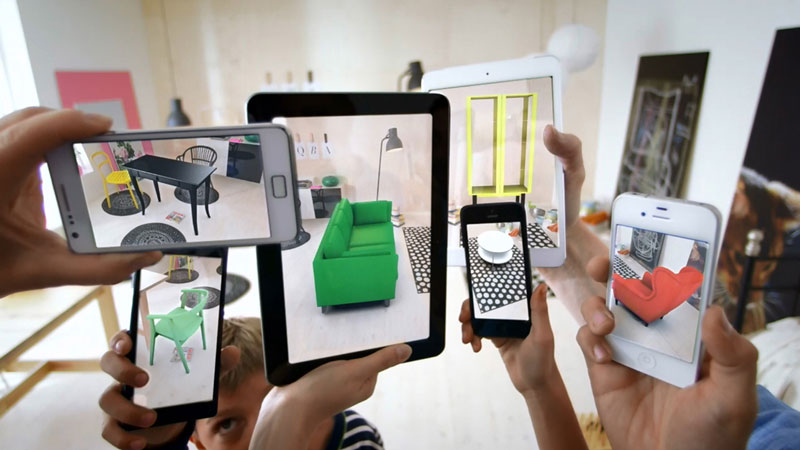
For example, companies like IKEA and Wayfair use AR apps to let users place virtual furniture in their homes, helping them make informed decisions about size, style, and compatibility with their existing decor. Similarly, beauty brands like Sephora and L’Oréal offer AR-powered virtual makeup try-on tools, where users can experiment with different shades and products using their smartphone cameras. These applications not only enhance the customer experience but also reduce return rates and increase conversion rates for businesses.
AR is also transforming the way brands market their products. Interactive advertisements and AR-enhanced packaging allow consumers to engage with a product in a more immersive way. For instance, scanning a QR code on a cereal box might reveal a game or a 3D animation, turning a mundane purchase into an engaging experience. This shift towards interactive marketing is fostering stronger brand-consumer relationships and driving innovation in advertising strategies.
Enhancing Education and Training
Education is another sector where AR is making a profound impact, offering interactive and engaging ways to learn. Traditional classroom methods often struggle to capture the attention of students, especially in subjects that require visualization, such as anatomy, geography, or engineering. AR addresses this by bringing abstract concepts to life, making learning more tangible and memorable.
In medical education, AR is revolutionizing how future doctors and surgeons train. Applications like Microsoft HoloLens enable students to interact with 3D models of the human body, explore anatomical structures layer by layer, and even simulate surgical procedures in a risk-free environment. This hands-on approach accelerates learning and improves retention rates compared to traditional textbooks and lectures.
Similarly, AR is transforming field trips and historical education. Imagine students visiting a museum where AR overlays provide additional context about artifacts, bringing history to life with animations, audio narratives, and interactive timelines. Geography lessons become more engaging when students can explore virtual terrains or overlay climate data onto real-world maps. These applications not only enhance comprehension but also foster a deeper connection to the subject matter.
Beyond formal education, AR is also being used for corporate training and professional development. Industries such as aviation, manufacturing, and logistics use AR simulations to train employees in complex tasks without the need for expensive equipment or real-world risks. For example, technicians can use AR glasses to receive step-by-step visual instructions while repairing machinery, reducing errors and improving efficiency.
Transforming Healthcare and Medicine
The healthcare industry stands to benefit immensely from AR, as the technology offers solutions to some of its most pressing challenges. One of the most promising applications is in surgical navigation, where AR overlays critical patient data—such as MRI or CT scans—directly onto a surgeon’s field of view. This real-time visualization allows for greater precision, reducing the risk of errors and improving patient outcomes.
Companies like Augmedics have developed AR systems that project a 3D spine model onto a patient’s back during spinal surgeries, guiding surgeons with unprecedented accuracy. Similarly, AR is being used in minimally invasive procedures, where surgeons can visualize internal anatomy without making large incisions. This not only shortens recovery times but also expands the range of procedures that can be performed safely.
AR is also playing a role in patient care and rehabilitation. For individuals recovering from strokes or injuries, AR-based physical therapy apps provide interactive exercises and real-time feedback, making rehabilitation more engaging and effective. In mental health, AR is being explored as a tool for exposure therapy, helping patients overcome phobias or PTSD by gradually introducing them to triggering environments in a controlled setting.
Beyond clinical settings, AR is improving healthcare accessibility. Telemedicine platforms are integrating AR to allow doctors to remotely examine patients by overlaying digital annotations onto live video feeds. This enhances remote consultations, making it easier for patients in rural or underserved areas to receive expert care.
Redefining Gaming and Entertainment
While AR’s applications in gaming might be the most visible to the general public, its impact on the entertainment industry goes far beyond mobile games like Pokémon GO. AR is redefining how we consume media, interact with stories, and even experience live events. By blending the digital and physical worlds, AR creates immersive experiences that captivate audiences in ways that traditional media cannot.
One of the most notable examples is the rise of AR-enhanced live performances and concerts. Artists and event organizers are using AR to create interactive stage designs, where digital elements respond to the music or the movements of performers. For instance, during a concert, the stage might transform into a fantastical landscape, with visuals projected in 3D space that only audience members with AR-enabled devices can fully appreciate. This adds a new layer of engagement and spectacle to live events.
AR is also transforming storytelling in literature and film. Imagine reading a novel where characters and scenes are brought to life through AR, or watching a movie where additional plot details or alternate endings can be explored by scanning the screen with a device. This interactivity is not only enhancing entertainment but also opening up new creative possibilities for storytellers.
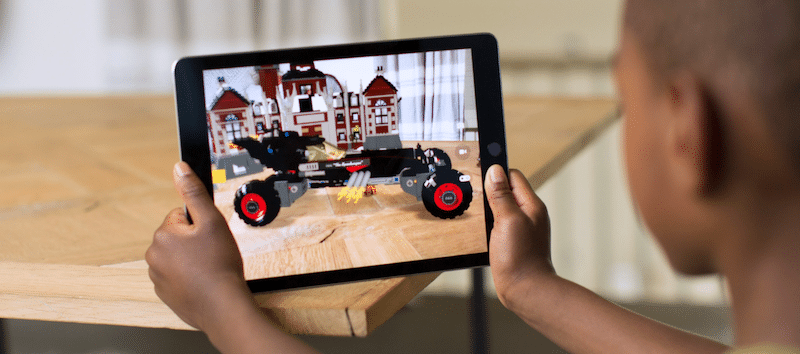
In the gaming industry, AR has evolved from simple mobile games to sophisticated experiences that integrate with the physical world. Games like *Ingress* and *Harry Potter: Wizards Unite* encourage players to explore their surroundings, solving puzzles and battling virtual creatures tied to real-world locations. Meanwhile, AR is pushing the boundaries of virtual reality (VR) by creating mixed-reality (MR) experiences where digital and physical elements coexist in the same space. Devices like the Microsoft HoloLens and Magic Leap are paving the way for MR gaming, where players can interact with virtual objects in their real environment, blurring the line between what’s real and what’s digital.
Innovating in Architecture and Real Estate
For architects and real estate professionals, AR is a game-changer, offering tools to visualize, design, and market properties in ways that were previously unimaginable. Traditional blueprints and 3D models can be limiting, as they often fail to convey the full scope of a project to clients or stakeholders. AR addresses this by allowing users to walk through virtual representations of buildings or spaces before they are constructed.
In architecture, AR enables designers to overlay digital models onto physical sites, helping them assess how a new structure will fit into its surroundings. This is particularly useful for urban planning, where AR can simulate the impact of new buildings on traffic, sunlight, and the overall aesthetic of a neighborhood. Clients can use AR apps to “walk through” their future homes or offices, making adjustments to layouts, materials, and finishes in real time.
Real estate agents are leveraging AR to offer virtual tours of properties, allowing potential buyers to explore homes remotely without the need for physical visits. This is especially valuable in a post-pandemic world, where social distancing measures have made traditional open houses less feasible. AR-powered virtual tours can include interactive features, such as the ability to change wall colors, rearrange furniture, or even simulate different times of day to see how natural light affects a space.
Developers are also using AR to enhance the construction process. Workers on-site can use AR glasses to view blueprints, safety instructions, or step-by-step assembly guides overlaid directly onto their field of view. This reduces errors, improves efficiency, and ensures that projects stay on schedule and within budget.
The Challenges and Ethical Considerations of Augmented Reality
While augmented reality holds immense promise, its rapid adoption is not without challenges and ethical dilemmas. As with any transformative technology, AR raises questions about privacy, security, data usage, and its potential societal impacts. Addressing these issues is crucial to ensuring that AR develops in a way that benefits humanity rather than exacerbates existing problems.
Privacy and Data Security Concerns
One of the most pressing concerns surrounding AR is the vast amount of personal data it collects. AR applications rely on cameras, microphones, GPS, and other sensors to capture and process information about the user’s environment and behavior. While this data is essential for delivering personalized experiences, it also poses significant privacy risks. Unauthorized access to this data could lead to identity theft, stalking, or other malicious activities.
For example, AR navigation apps may track a user’s location and movements, creating detailed profiles that could be exploited by advertisers or third parties. Similarly, AR glasses like Google Glass or Apple Vision Pro raise concerns about surveillance, as they could potentially record conversations or capture sensitive information without the consent of those being recorded. The lack of clear regulations around data collection and usage in AR exacerbates these issues, leaving users vulnerable to exploitation.
To mitigate these risks, developers and policymakers must prioritize transparency and user control. Implementing robust data encryption, anonymization techniques, and clear opt-in/opt-out mechanisms can help protect user privacy. Additionally, governments and organizations need to establish comprehensive guidelines for data collection and usage in AR, ensuring that users are informed about how their data is being used and have the ability to consent or withdraw their data at any time.
Digital Divide and Accessibility
Despite its growing ubiquity, AR is not equally accessible to everyone. The digital divide— the gap between those who have access to technology and those who do not—poses a significant barrier to the widespread adoption of AR. High-end AR devices, such as smart glasses, can be expensive, putting them out of reach for many individuals and communities. Additionally, rural and underserved areas may lack the infrastructure required for AR experiences, such as high-speed internet or compatible devices.
Accessibility is another critical issue. For individuals with disabilities, AR experiences may not be fully inclusive. For example, users with visual impairments may struggle to navigate AR interfaces that rely heavily on visual cues. Similarly, those with mobility or hearing impairments may find certain AR applications difficult to use. Developers must prioritize inclusive design, ensuring that AR experiences are accessible to users of all abilities.
Efforts to democratize AR include initiatives to develop affordable AR devices and applications, as well as partnerships with organizations to bring AR technology to underserved communities. For instance, nonprofits and educational institutions are exploring the use of AR to provide remote learning opportunities in areas with limited resources. By addressing these challenges, we can ensure that the benefits of AR are shared equitably across society.
The Blurring of Realities: Psychological and Social Impacts
As AR becomes more integrated into our daily lives, it also raises questions about its psychological and social impacts. The constant blending of digital and physical realities can lead to a phenomenon known as “reality distortion,” where users struggle to distinguish between what is real and what is digital. This can have profound effects on mental health, particularly for vulnerable individuals.
For example, excessive use of AR filters on social media has been linked to body image issues and self-esteem problems, particularly among young people. Filters that alter appearance can create unrealistic beauty standards, leading to feelings of inadequacy or dissatisfaction with one’s real appearance. Similarly, AR games that encourage users to explore their surroundings may contribute to distracted walking or accidents, as users become engrossed in their digital overlays.
Social interactions can also be affected by AR. Imagine a scenario where two people are having a conversation, but one is wearing AR glasses that overlay digital distractions, such as notifications or virtual objects. This could lead to a breakdown in communication and hinder genuine human connection. As AR becomes more pervasive, it is essential to consider how it might impact our social behaviors and relationships.
To address these concerns, developers, educators, and policymakers must promote responsible use of AR. This includes educating users about the potential pitfalls of AR, encouraging balanced usage, and designing AR experiences that prioritize well-being over engagement metrics. Additionally, fostering open discussions about the ethical implications of AR can help guide its development in a way that aligns with societal values.
The Future of Augmented Reality: What Lies Ahead
As we look to the future, augmented reality is poised to become even more deeply integrated into our lives, transforming the way we work, learn, communicate, and perceive the world. The next decade will likely see AR evolving from a tool used in select industries to a ubiquitous technology that shapes nearly every aspect of our daily routines. Below, we explore some of the most exciting trends and possibilities that lie ahead for AR.
The Rise of AR Smart Glasses and Wearables
Smart glasses and other wearable AR devices are set to become the next big leap in personal technology, much like the smartphone revolution of the late 2000s. While early attempts at AR glasses, such as Google Glass, faced challenges in terms of adoption and design, newer models like Apple Vision Pro, Meta’s Ray-Ban Stories, and Magic Leap are pushing the boundaries of what’s possible. These devices offer sleeker designs, improved battery life, and more sophisticated AR capabilities, making them viable for everyday use.
The potential of AR wearables is vast. In the workplace, AR glasses could become as essential as smartphones, providing workers with real-time information, hands-free navigation, and collaborative tools. For example, a warehouse employee could use AR glasses to locate and pick items with minimal effort, while a field technician could receive step-by-step repair instructions overlaid onto their field of view. In social settings, AR glasses could enhance interactions by providing contextual information about people or places, such as displaying a colleague’s name during a meeting or highlighting points of interest during a tour.
As these devices become more affordable and accessible, they will likely become as common as smartphones, reshaping how we interact with the world. The challenge will be designing them in a way that feels natural and unobtrusive, ensuring that they enhance rather than detract from our daily experiences.
Integration with Artificial Intelligence and IoT
The future of AR will be deeply intertwined with advancements in artificial intelligence (AI) and the Internet of Things (IoT). AI will enable AR systems to become more intuitive and personalized, learning from user behavior and adapting in real time. For example, an AR navigation app could not only provide directions but also learn a user’s commute patterns, suggesting alternative routes based on traffic conditions, weather, and personal preferences.
The integration of AR with IoT will create smart environments where digital overlays interact with physical objects in meaningful ways. Imagine a smart home where AR glasses allow you to see energy usage patterns overlaid onto appliances, or where you can control lights, thermostats, and other devices with simple gestures or voice commands. In urban settings, AR could be used to visualize real-time data from IoT sensors, such as air quality levels, traffic patterns, or public transportation schedules, empowering individuals to make more informed decisions.
This convergence of AR, AI, and IoT will lead to the development of “ambient computing” environments, where technology seamlessly blends into the background of our lives, enhancing our surroundings without demanding constant attention. The goal is to create experiences that feel effortless and natural, where the technology recedes into the periphery of our awareness.
Augmented Reality in the Metaverse
The concept of the metaverse—a collective virtual shared space, created by the convergence of virtually enhanced physical reality and physically persistent virtual reality—has captured the imagination of tech enthusiasts and industry leaders alike. AR will play a crucial role in the evolution of the metaverse, acting as a bridge between the physical and digital worlds. Unlike virtual reality (VR), which immerses users in a fully digital environment, AR enhances the real world by overlaying digital elements onto it.
In the metaverse, AR will enable users to interact with digital assets and experiences in their own physical spaces. For example, a user could host a virtual meeting in their living room, where colleagues appear as holograms around a virtual conference table. Alternatively, AR could be used to create interactive games or social experiences that blend the physical and digital realms, such as a treasure hunt where players must solve puzzles in both the real world and a virtual overlay.
The metaverse will also open up new economic opportunities, with AR enabling the creation, ownership, and trade of digital assets within physical spaces. This could lead to the rise of new industries, such as virtual real estate, digital fashion, and AR-enhanced commerce. As the metaverse continues to develop, AR will be at the forefront, shaping how we define and interact with digital spaces.
Sustainability and Ethical AR Development
As AR technology becomes more widespread, its environmental and ethical implications will come under greater scrutiny. The production and disposal of AR devices, such as smart glasses, contribute to electronic waste, while the energy consumption of data centers supporting AR applications can have a significant carbon footprint. Developers and manufacturers must prioritize sustainability by designing energy-efficient devices, using recyclable materials, and implementing circular economy practices.
Ethical considerations will also play a crucial role in shaping the future of AR. Issues such as data privacy, digital inclusion, and the potential for AR to exacerbate social inequalities must be addressed proactively. For example, developers should avoid creating AR experiences that reinforce harmful stereotypes or promote addictive behaviors. Instead, AR should be used to foster inclusivity, accessibility, and positive social change.
Education and awareness will be key to ensuring that AR develops in a way that aligns with societal values. By fostering open dialogue among developers, policymakers, and users, we can create guidelines and best practices that promote responsible AR development. This includes establishing ethical frameworks for AI-driven AR applications, ensuring transparency in data usage, and advocating for policies that protect user rights.
Conclusion: Embracing the Augmented Future
Augmented reality is more than just a technological trend—it is a paradigm shift that is redefining our relationship with the world. From enhancing productivity in the workplace to transforming how we learn, shop, and socialize, AR is blurring the lines between the digital and physical realms, creating a new era of interaction and possibility. As the technology continues to evolve, its potential to solve real-world problems, improve quality of life, and unlock new creative frontiers is virtually limitless.
However, the journey of AR is not without its challenges. Privacy concerns, accessibility issues, and ethical dilemmas must be addressed to ensure that this technology benefits everyone equitably. By fostering innovation responsibly and prioritizing user well-being, we can harness the power of AR to create a more connected, informed, and immersive world.
The future of AR is not something that will happen to us—it’s something we will shape together. As developers, policymakers, and users, we have the opportunity to guide this technology in a direction that aligns with our values and aspirations. By embracing AR with curiosity, caution, and a commitment to ethical principles, we can unlock its full potential and create a future where the boundaries between reality and imagination are beautifully, and responsibly, blurred.