Unlocking the Power of Edge Computing: Smarter, Faster, Closer to You
Imagine a world where data isn’t just processed in distant cloud servers but right where it’s created. This isn’t a distant dream—it’s the reality of edge computing. As industries race toward digital transformation, edge computing is emerging as a game-changer, delivering smarter, faster, and more efficient solutions by bringing computation closer to the source of data. From autonomous vehicles navigating city streets to smart factories optimizing production lines in real time, edge computing is redefining how we interact with technology. In this article, we’ll explore what edge computing is, why it matters, and how it’s transforming industries today.
What Is Edge Computing?
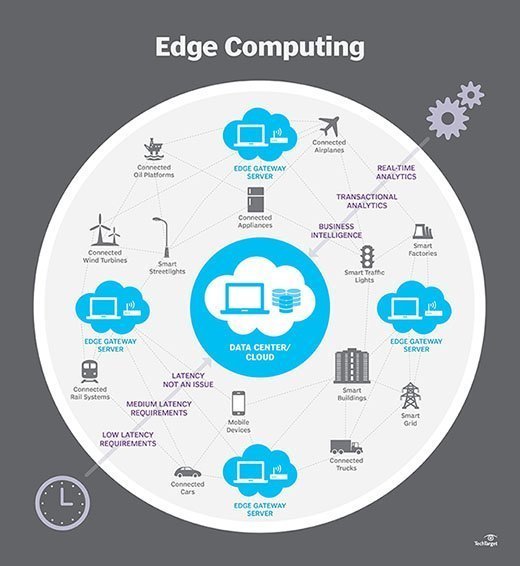
Edge computing is a distributed computing paradigm that processes data near the location where it is generated, rather than relying solely on a centralized cloud or data center. The term “edge” refers to the periphery of a network, where data originates from devices such as sensors, IoT gadgets, or user endpoints. By minimizing the distance data travels, edge computing reduces latency, enhances processing speed, and lowers bandwidth usage.
Think of it like this: instead of sending a voice command from your smart speaker to a cloud server thousands of miles away for interpretation, the device processes your request locally. This not only speeds up response times but also improves reliability, especially in areas with poor connectivity. Edge computing doesn’t replace the cloud—it complements it by handling time-sensitive tasks at the edge while offloading heavier computations to the cloud when needed.
Why Edge Computing Is Gaining Momentum
The rise of edge computing is driven by the explosive growth of connected devices and the demands of real-time applications. Here are some key factors fueling its adoption:
- Latency Sensitivity: Applications like autonomous driving, virtual reality, and industrial automation require instant decision-making. Sending data to a remote server and waiting for a response is simply too slow.
- Bandwidth Efficiency: Streaming vast amounts of data from IoT sensors or high-definition cameras can overwhelm networks. Edge computing filters and processes data locally, reducing the load on central systems.
- Privacy and Security: Keeping sensitive data within a local network minimizes exposure to cyber threats and ensures compliance with regulations like GDPR.
- Cost Savings: By reducing the volume of data sent to the cloud, organizations can cut down on storage and bandwidth costs.
As 5G networks expand and the Internet of Things (IoT) proliferates, edge computing is becoming indispensable for delivering seamless, responsive, and intelligent digital experiences.
How Edge Computing Works
At its core, edge computing involves deploying computing resources—such as processors, storage, and software—directly at the edge of the network. These resources can be embedded in devices (like smartphones or industrial machines) or housed in small, localized data centers called “edge nodes.” Here’s a simplified breakdown of the process:
- Data Generation: Sensors, cameras, or user devices collect data from their environment.
- Local Processing: Instead of sending raw data to a cloud server, the device or edge node processes it immediately, extracting only the necessary information.
- Action or Aggregation: The processed data triggers real-time actions (e.g., adjusting a machine’s settings) or is aggregated and sent to the cloud for further analysis.
- Cloud Integration: Non-urgent or complex data is forwarded to the cloud for long-term storage, advanced analytics, or machine learning model training.
This decentralized approach ensures that critical decisions happen in milliseconds, while less time-sensitive tasks are handled efficiently in the cloud.
Key Industries Transformed by Edge Computing
Edge computing is not just a buzzword—it’s a transformative force across multiple sectors. Here’s how different industries are leveraging its power:
Healthcare
The healthcare sector is embracing edge computing to revolutionize patient care and operational efficiency. Wearable devices equipped with edge processors can monitor vital signs in real time, alerting medical staff to anomalies without relying on cloud connectivity. Hospitals use edge-based AI to analyze MRI scans or X-rays on-site, reducing diagnosis time and improving accuracy. Telemedicine platforms also benefit from lower latency, enabling smoother video consultations and remote diagnostics.
Additionally, edge computing supports robotic surgeries by providing instant feedback to robotic arms, ensuring precision and safety during procedures.
Manufacturing
Smart factories are at the heart of the Fourth Industrial Revolution, and edge computing is a critical enabler. Industrial IoT sensors embedded in machinery collect data on temperature, vibration, and performance. Edge devices analyze this data locally to detect equipment failures before they occur, minimizing downtime and maintenance costs.
Autonomous robots on factory floors use edge AI to navigate environments, pick up objects, and collaborate with human workers in real time. This level of automation boosts productivity and reduces human error.
Autonomous Vehicles
Self-driving cars generate terabytes of data per hour from cameras, LiDAR, and radar. Processing this data in the cloud is impractical due to latency. Edge computing allows vehicles to analyze their surroundings instantly, making split-second decisions to avoid obstacles, obey traffic laws, and ensure passenger safety.
Companies like Tesla, Waymo, and Ford are integrating edge AI chips into their autonomous vehicles to enhance real-time responsiveness. This technology is also vital for drone delivery systems and smart traffic management in smart cities.
Retail and Customer Experience
Retailers are using edge computing to create personalized and frictionless shopping experiences. Smart shelves equipped with IoT sensors track inventory levels and customer interactions, sending alerts when restocking is needed. Facial recognition and AI-powered cameras at store entrances analyze shopper behavior to recommend products or detect theft.
Cashier-less stores, like Amazon Go, rely on edge processing to track purchases in real time, enabling customers to walk out with their items without queuing. This not only enhances convenience but also reduces operational costs.
Energy and Utilities
The energy sector leverages edge computing to optimize power distribution and enhance grid stability. Smart meters and sensors monitor energy consumption in real time, detecting inefficiencies or outages. Edge devices can reroute power during peak demand or during a fault, preventing blackouts and reducing energy waste.
Renewable energy sources, such as wind and solar farms, use edge computing to predict weather patterns and adjust energy output accordingly, maximizing efficiency.
Challenges and Considerations in Edge Computing
While edge computing offers numerous benefits, its implementation is not without challenges. Organizations must address several key considerations to ensure successful deployment:
- Infrastructure Complexity: Deploying edge nodes across multiple locations requires careful planning. Organizations need to manage hardware, software updates, and network connectivity in diverse environments.
- Security Risks: Distributed edge environments increase the attack surface for cyber threats. Robust security measures, including encryption, authentication, and intrusion detection, are essential to protect sensitive data.
- Data Management: Not all data is equal. Edge computing must include mechanisms to filter and prioritize data to avoid overwhelming local storage and processing capabilities.
- Scalability: As the number of connected devices grows, edge computing systems must scale efficiently. This may require standardized protocols and interoperable platforms.
- Cost: While edge computing can reduce long-term costs, the initial investment in hardware, software, and maintenance can be significant. Organizations must weigh these expenses against the benefits.
Addressing these challenges requires a strategic approach, often involving partnerships with technology providers and adherence to industry standards.
Edge Computing vs. Cloud Computing: Complementary, Not Competitive
It’s a common misconception that edge computing is here to replace cloud computing. In reality, the two paradigms work together to create a more robust and efficient computing ecosystem. Cloud computing excels at handling large-scale data storage, complex analytics, and machine learning tasks. Edge computing, on the other hand, is optimized for real-time processing, low latency, and localized decision-making.
The relationship between edge and cloud can be likened to a human body: the brain (cloud) makes high-level decisions based on processed information, while the nervous system (edge) delivers immediate reflexes and sensory feedback. Neither can function optimally without the other.
For example, a smart factory might use edge computing to detect a malfunctioning machine and shut it down immediately. At the same time, it sends aggregated performance data to the cloud, where AI models analyze trends to predict future failures across the entire production line. This synergy maximizes efficiency and innovation.
The Future of Edge Computing
The future of edge computing is bright and brimming with potential. As 5G networks become ubiquitous and artificial intelligence matures, edge computing will play an even more central role in our digital lives. Here are some trends to watch:
- AI at the Edge: More devices will incorporate AI chips, enabling advanced machine learning models to run locally. This will reduce dependence on cloud-based AI and improve privacy.
- 5G Integration: The rollout of 5G will unlock new possibilities for edge computing, particularly in applications requiring ultra-low latency, such as remote surgery or augmented reality gaming.
- Edge-as-a-Service (EaaS): Cloud providers are beginning to offer edge computing services, allowing businesses to deploy edge infrastructure without heavy upfront investments.
- Sustainability: Edge computing can contribute to greener IT by reducing the energy consumption associated with data transmission and central cloud processing.
- Smart Cities: Cities will increasingly rely on edge computing to manage traffic, public safety, and environmental monitoring, creating safer and more efficient urban environments.
As these trends unfold, edge computing will become as foundational to technology as the internet itself, reshaping industries and empowering individuals with faster, smarter, and more responsive systems.
Getting Started with Edge Computing
For businesses looking to adopt edge computing, here are some practical steps to begin the journey:
- Assess Your Needs: Identify which applications and data sources would benefit most from edge processing. Focus on use cases with high latency sensitivity or bandwidth constraints.
- Choose the Right Infrastructure: Decide whether to deploy edge nodes on-premises, use colocation facilities, or leverage cloud-provider edge services.
- Partner with Experts: Collaborate with technology providers specializing in edge computing, such as AWS IoT Greengrass, Microsoft Azure IoT Edge, or NVIDIA EGX.
- Prioritize Security: Implement end-to-end encryption, secure boot processes, and regular software updates to protect your edge infrastructure.
- Start Small and Scale: Begin with pilot projects to test feasibility and gather insights before scaling up across your organization.
By taking a measured and strategic approach, organizations can unlock the full potential of edge computing while mitigating risks.
Conclusion: A Smarter, Faster, and More Connected World
Edge computing is not just a technological evolution—it’s a revolution in how we process and interact with data. By bringing intelligence closer to the source, it enables real-time insights, enhances security, and drives innovation across industries. From saving lives in hospitals to powering self-driving cars and optimizing smart cities, edge computing is the backbone of the next generation of digital transformation.
As we move toward an increasingly connected future, the ability to process data at the edge will be a defining factor in delivering smarter, faster, and more personalized experiences. For businesses and individuals alike, embracing edge computing isn’t just an option—it’s a necessity to stay competitive and relevant in a rapidly evolving digital landscape.
So, are you ready to unlock the power of edge computing? The edge is closer than you think.