Augmented Reality: Blurring the Lines Between Digital and Real
In an era where technology continually reshapes our perception of reality, augmented reality (AR) stands out as one of the most transformative innovations of the 21st century. Unlike virtual reality (VR), which immerses users in entirely digital environments, AR overlays digital information—such as images, sounds, or data—onto the physical world, enhancing rather than replacing our surroundings. From smartphone apps that let us try on virtual furniture to industrial tools that guide technicians through complex repairs, AR is seamlessly integrating the digital and real worlds. This fusion is not just changing how we interact with technology; it’s redefining industries, education, and even social interactions.
The Evolution of Augmented Reality
The concept of AR is not entirely new. The term itself was coined in 1990 by researcher Tom Caudell, but its roots trace back further, to experiments with head-mounted displays in the 1960s. However, it wasn’t until the rise of smartphones in the late 2000s that AR became accessible to the masses. Apps like Pokémon GO (2016) demonstrated AR’s potential to engage millions by blending digital gameplay with real-world exploration. Today, advancements in hardware—such as lightweight AR glasses like Microsoft HoloLens and Apple Vision Pro—are pushing the boundaries of what’s possible, making AR more immersive and practical than ever before.
How Augmented Reality Works
At its core, AR relies on a combination of hardware and software to superimpose digital content onto the physical environment. The process typically involves:
- Sensors and Cameras: Devices like smartphones, tablets, or AR glasses use cameras and sensors to capture the user’s surroundings in real time.
- Computer Vision: Advanced algorithms analyze the captured images to identify surfaces, objects, and even user gestures, ensuring digital elements align correctly with the real world.
- Display Technology: The processed digital content is then projected onto the user’s field of view, either through a screen (as in smartphones) or directly onto a transparent display (as in AR glasses).
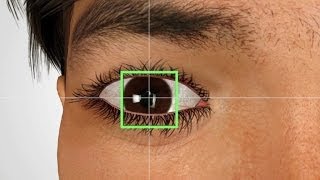
- User Interaction: AR systems often incorporate touch, voice, or eye-tracking to allow users to interact with digital elements naturally.
The result is an experience where digital and physical elements coexist, creating a hybrid environment that feels intuitive and responsive.
The Impact of AR Across Industries
Retail and E-Commerce
One of the most visible applications of AR is in retail, where it’s transforming the way consumers shop. Virtual try-on tools, such as those offered by Sephora and IKEA, allow users to visualize makeup or furniture in their own homes before making a purchase. This not only enhances the shopping experience but also reduces the likelihood of returns, benefiting both consumers and businesses. Brands like Nike and Adidas have also adopted AR for interactive shoe customization, letting customers design their own products in real time.
Healthcare
In healthcare, AR is revolutionizing diagnostics, surgery, and medical training. Surgeons use AR overlays to visualize patient anatomy during operations, minimizing risks and improving precision. For example, AR can project a patient’s CT scans directly onto their body, guiding incisions in real time. Medical students also benefit from AR simulations, which provide hands-on practice without the need for cadavers. Additionally, AR is being explored for mental health applications, such as exposure therapy for phobias, where patients can gradually confront their fears in a controlled digital environment.
Manufacturing and Maintenance
AR is streamlining industrial processes by providing workers with real-time guidance. Technicians equipped with AR glasses can receive step-by-step instructions overlaid on the machinery they’re repairing, reducing errors and downtime. Companies like Boeing and GE Aviation use AR to train employees and assist in complex assembly tasks. This not only boosts efficiency but also enhances safety by ensuring workers follow protocols correctly.
Education and Training
AR is making learning more interactive and engaging. Students can explore 3D models of historical sites, dissect virtual organisms, or even journey through the solar system—all from their classrooms. Museums and educational apps leverage AR to bring exhibits to life, offering additional context and interactivity. For corporate training, AR provides immersive simulations, such as flight training for pilots or emergency response drills for firefighters, without the associated risks and costs.
Gaming and Entertainment
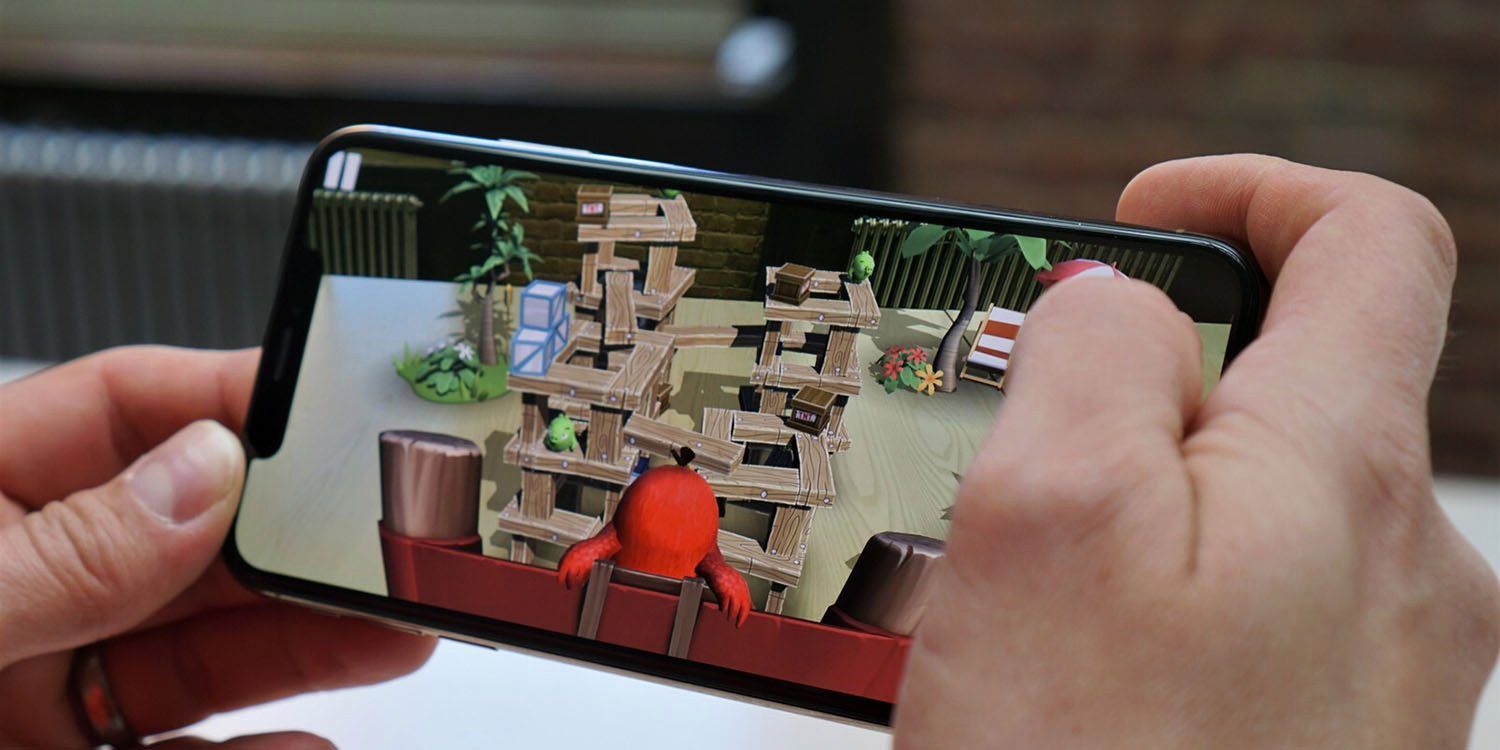
Gaming remains one of the most popular applications of AR, thanks to the mass appeal of games like Pokémon GO and Minecraft Earth. These games encourage players to explore their surroundings while interacting with digital characters and objects. Beyond gaming, AR is enhancing live events, such as concerts and sports, by providing fans with real-time stats, replays, and interactive experiences through their smartphones. Even traditional media, like movies and TV shows, are experimenting with AR to create deeper fan engagements, such as augmented reality posters that reveal behind-the-scenes content when scanned.
The Future of Augmented Reality
Advancements in Hardware
The future of AR is closely tied to improvements in hardware. Current AR glasses, while impressive, are often bulky or have limited battery life. Companies like Apple, Meta, and Magic Leap are investing heavily in developing sleeker, more powerful devices. For instance, Apple’s Vision Pro, with its high-resolution displays and advanced sensors, represents a significant leap forward. As hardware becomes more compact and affordable, AR glasses could eventually replace smartphones as our primary computing interface.
Artificial Intelligence and AR
Artificial intelligence (AI) is playing a crucial role in enhancing AR experiences. AI-powered algorithms can better understand context, enabling AR systems to provide more relevant and personalized information. For example, an AR app could recognize a landmark and instantly display historical facts or translations in real time. AI also improves gesture and voice recognition, making interactions with AR more natural and intuitive. As AI continues to evolve, AR experiences will become increasingly seamless and intelligent.
AR in Daily Life
As AR technology becomes more integrated into our daily routines, its applications will expand beyond gaming and retail. Imagine walking down a street and having AR glasses highlight points of interest, translate signs in foreign languages, or even suggest nearby restaurants based on your dietary preferences. Navigation could also be revolutionized, with AR providing real-time directions overlaid on the physical environment. In social settings, AR might enable new forms of communication, such as sharing digital annotations or virtual objects during face-to-face conversations.
Challenges and Considerations
Despite its potential, AR faces several challenges. Privacy concerns arise as AR devices collect vast amounts of data about users’ surroundings and behavior. Ethical questions also emerge, such as the potential for AR to be used in surveillance or to manipulate perceptions. Additionally, there are technical hurdles, including improving battery life, reducing latency, and ensuring accurate environmental mapping. Addressing these challenges will require collaboration between tech companies, policymakers, and society to ensure AR is developed responsibly and inclusively.
Conclusion: A New Reality
Augmented reality is more than just a technological novelty; it’s a paradigm shift in how we perceive and interact with the world. By blending digital and physical realities, AR is unlocking new possibilities across industries, education, and entertainment. As hardware and software continue to advance, AR will become an even more integral part of our lives, reshaping the way we work, learn, and play. While challenges remain, the potential of AR to enhance human experiences is undeniable. The line between the digital and real worlds is not just blurring—it’s being redefined, and the future looks brighter than ever.