Introduction & Background
In today’s fast-paced digital world, data processing has become the backbone of modern technology. Businesses and consumers alike demand speed, efficiency, and security in handling vast amounts of information. Traditional cloud computing, while powerful, often struggles with latency and bandwidth constraints, especially for real-time applications. This is where edge computing steps in as a transformative solution. By bringing computation closer to the source of data generation, edge computing minimizes delays, enhances performance, and strengthens security. Its significance is growing rapidly as industries such as healthcare, manufacturing, and autonomous vehicles seek faster and more reliable data processing capabilities. Understanding edge computing is no longer optional; it is a critical component for future-proofing technology infrastructure.
Concept & Overview
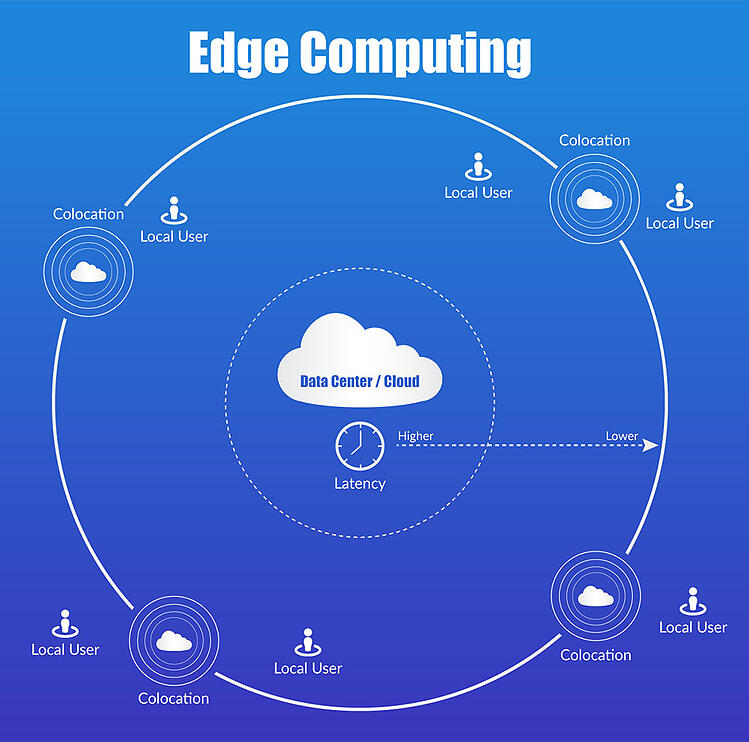
Edge computing represents a paradigm shift in data processing by decentralizing computational tasks. Unlike traditional cloud computing, which relies on centralized data centers, edge computing processes data at or near the location where it is generated. This approach leverages edge devices such as sensors, IoT gadgets, and local servers to perform computations locally rather than sending data to a distant cloud. The core principle hinges on reducing the distance data must travel, thereby cutting down latency and improving response times. This is particularly vital for applications requiring real-time decision-making, such as self-driving cars, industrial automation, and augmented reality. By distributing computational power closer to the end-user, edge computing enhances efficiency, scalability, and reliability.
Key Features & Highlights
- Low Latency: Edge computing drastically reduces the time it takes to process data by eliminating the need to send information to remote servers. This is crucial for applications where even milliseconds matter, such as in financial transactions or emergency response systems.
- Bandwidth Optimization: By processing data locally, edge computing minimizes the volume of data that needs to be transmitted over networks. This not only reduces congestion but also lowers operational costs associated with data transfer.
- Enhanced Security: Keeping sensitive data closer to its source reduces exposure during transmission, lowering the risk of cyber threats. Edge computing allows for encryption and security protocols to be implemented at the local level, providing an additional layer of protection.
- Scalability: Edge architectures can be easily scaled to accommodate growing data demands. Organizations can deploy additional edge devices or nodes without overloading centralized systems, making it a flexible solution for expanding operations.
- Reliability: In scenarios where internet connectivity is unstable or unavailable, edge computing ensures continuous operation. Local processing allows systems to function autonomously, ensuring business continuity and operational resilience.
Frequently Asked Questions / Pros & Cons
What exactly is the difference between edge computing and cloud computing?
Cloud computing relies on centralized data centers to process and store data, which can introduce latency due to the distance data must travel. Edge computing, on the other hand, processes data locally at the source, or “edge,” of the network. This proximity reduces latency, enhances speed, and improves real-time responsiveness. While cloud computing excels in handling large-scale, long-term data storage and complex analytics, edge computing is ideal for scenarios requiring immediate action and localized decision-making.
Is edge computing suitable for small businesses?
Edge computing can benefit businesses of all sizes, including small enterprises. For small businesses, edge computing offers cost-effective ways to enhance operational efficiency without the need for extensive infrastructure investments. For example, retail stores can use edge devices for real-time inventory tracking, or manufacturing units can deploy sensors for predictive maintenance. The scalability of edge solutions allows small businesses to start small and expand as needed, making it a practical choice for growth-oriented organizations.
What are the security challenges associated with edge computing?
While edge computing enhances security by reducing data exposure during transmission, it introduces new challenges. The decentralized nature of edge computing means that there are more endpoints to secure, increasing the risk of vulnerabilities at the device level. Additionally, managing security across multiple edge devices can be complex, requiring robust encryption protocols, regular updates, and strict access controls. Organizations must implement a comprehensive security strategy that includes both physical and digital safeguards to mitigate potential risks.
Can edge computing work with 5G technology?
Yes, edge computing and 5G technology are a powerful combination. 5G networks provide ultra-low latency and high-speed connectivity, which are essential for edge computing to function effectively. Together, they enable real-time data processing and communication, making them ideal for applications such as autonomous vehicles, smart cities, and immersive augmented reality experiences. The synergy between 5G and edge computing is driving innovation and unlocking new possibilities across various industries.
What industries stand to benefit the most from edge computing?
The industries that stand to gain the most from edge computing include healthcare, manufacturing, transportation, retail, and telecommunications. In healthcare, edge computing enables real-time patient monitoring and telemedicine. In manufacturing, it supports predictive maintenance and quality control. Transportation benefits from improved navigation and fleet management systems. Retailers can leverage edge devices for personalized customer experiences, while telecom companies use it to optimize network performance and reduce latency. Essentially, any industry that relies on real-time data processing and decision-making can benefit from edge computing.
Practical Guidance & Solutions
For organizations looking to implement edge computing, a strategic approach is essential. Begin by identifying the specific use cases where edge computing will provide the most value, such as real-time analytics or localized data processing. Assess your current infrastructure and determine which edge devices and platforms align best with your needs. Consider partnering with technology providers that offer scalable and secure edge solutions tailored to your industry.
When deploying edge solutions, prioritize security by implementing end-to-end encryption and regularly updating firmware to protect against vulnerabilities. Ensure that your team is trained to manage and maintain edge devices effectively, as local troubleshooting and maintenance will be critical. Additionally, monitor performance metrics closely to optimize efficiency and address any issues promptly. By taking these steps, businesses can harness the full potential of edge computing to drive innovation and competitiveness.
Conclusion
Edge computing is redefining the way data is processed, offering faster, smarter, and more secure solutions for modern challenges. As the demand for real-time data processing continues to grow, edge computing provides the agility and efficiency required to meet these needs. From enhancing security to optimizing bandwidth and reducing latency, its benefits are undeniable. While challenges such as security management and infrastructure costs remain, the potential rewards far outweigh the risks. For businesses and industries seeking to stay ahead in a data-driven world, embracing edge computing is not just an option; it is a necessity. By understanding its principles and implementing it strategically, organizations can unlock new opportunities and drive future growth.