Introduction & Background
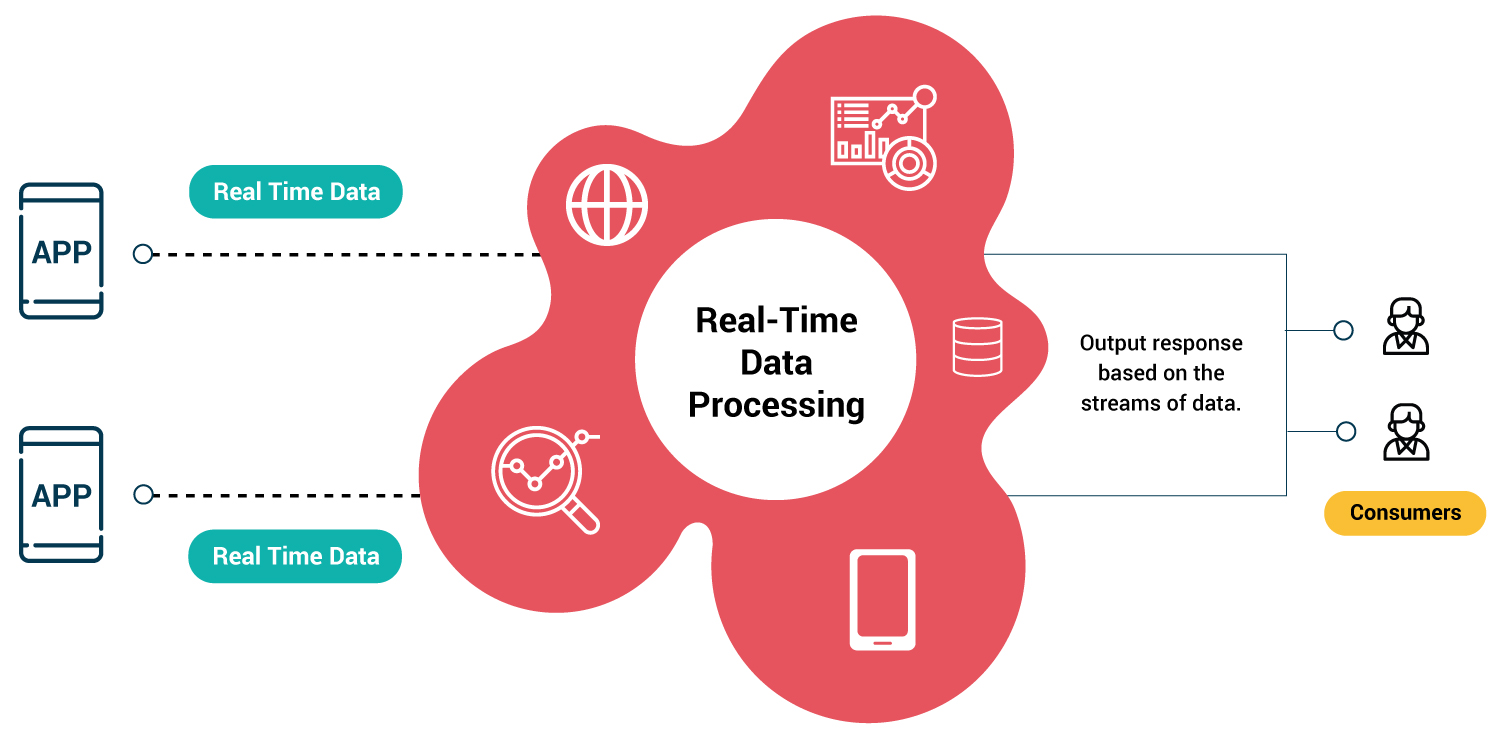
The digital landscape is undergoing a profound transformation, driven by the rapid evolution of smart devices and the edge computing paradigm. As traditional cloud-centric models struggle to meet the demands of real-time data processing, edge intelligence emerges as a game-changer. This shift is not merely technical, but a fundamental reimagining of how data is collected, analyzed, and acted upon. The proliferation of Internet of Things (IoT) devices, ranging from industrial sensors to wearable gadgets, has created an unprecedented opportunity to process information closer to where it is generated. This proximity reduces latency, enhances reliability, and unlocks new possibilities for automation and decision-making. In sectors like healthcare, manufacturing, and smart cities, edge intelligence is no longer optional but a critical enabler of innovation and efficiency.
Concept & Overview
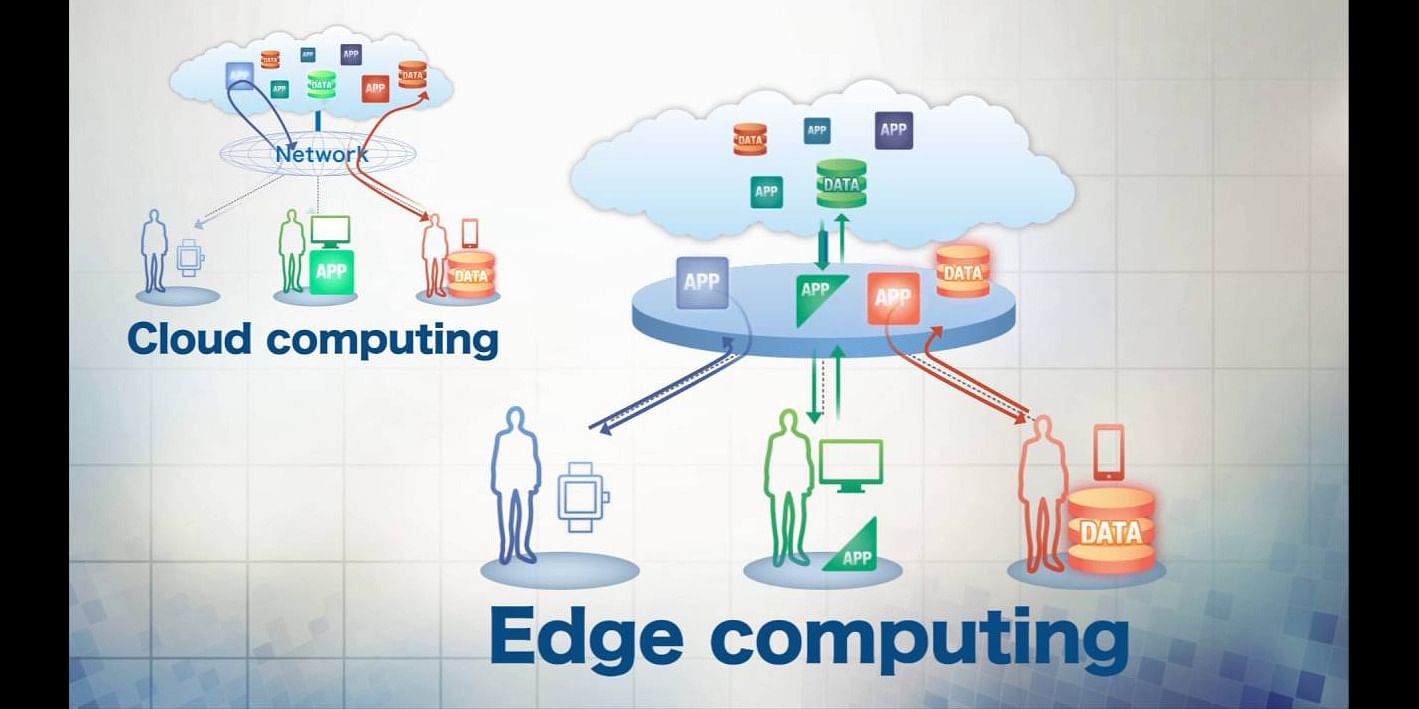
Edge intelligence refers to the capability of smart devices to perform data processing, analysis, and even machine learning tasks at the edge of a network, rather than relying on centralized cloud servers. The core idea is to minimize the distance data travels, thereby accelerating response times and reducing bandwidth consumption. Unlike traditional cloud computing, where data is sent to a remote server for processing, edge devices such as smartphones, drones, and industrial gateways handle computations locally. This decentralized approach leverages artificial intelligence (AI) and edge computing technologies to deliver real-time insights and actions. By embedding intelligence directly into devices, organizations can achieve greater scalability, privacy, and resilience. The synergy between AI and edge computing is particularly transformative, enabling systems to learn from local data and adapt without constant connectivity to the cloud.
Key Features & Highlights
- Low Latency Processing: Edge devices process data in milliseconds, eliminating delays associated with cloud transmission. This is crucial for applications requiring immediate responses, such as autonomous vehicles or robotic surgery.
- Enhanced Security & Privacy: Sensitive data remains on local devices, reducing exposure to cyber threats and compliance risks. Users and organizations gain greater control over how their information is handled.
- Bandwidth Optimization: By filtering and analyzing data at the source, only relevant insights are sent to the cloud, drastically cutting down on network congestion and costs.
- Offline Functionality: Edge intelligence allows devices to operate autonomously even without internet connectivity, ensuring continuous performance in remote or unstable environments.
- Scalability & Flexibility: Systems can be deployed incrementally, adapting to growing data volumes without overhauling infrastructure. This modular approach supports diverse use cases across industries.
Frequently Asked Questions / Pros & Cons
What are the main benefits of edge intelligence for businesses?
Edge intelligence offers several key advantages, including reduced operational costs due to lower cloud dependency, improved system reliability through localized processing, and enhanced data security by minimizing exposure during transmission. It also enables real-time decision-making, which is vital for predictive maintenance, customer personalization, and emergency response systems. Additionally, businesses can scale their solutions more efficiently without incurring significant additional costs for bandwidth or server upgrades.
Are there any limitations or challenges associated with edge devices?
While edge intelligence presents numerous opportunities, it also faces certain challenges. One primary concern is the limited processing power and storage capacity of edge devices compared to cloud servers. This constraint can affect the complexity of AI models that can be deployed locally. Furthermore, maintaining and updating software across a distributed network of devices can be logistically challenging. Security risks such as device tampering or unauthorized access also pose threats that require robust encryption and authentication protocols. Finally, the initial setup cost for deploying edge infrastructure can be high, particularly for small enterprises.
How does edge intelligence differ from traditional cloud computing?
Traditional cloud computing relies on centralized data centers to process and store information, which can introduce latency and dependency on network connectivity. In contrast, edge intelligence performs computations directly on or near the data source, leveraging local processing power. This approach reduces the need to transfer large volumes of raw data to the cloud, lowering bandwidth usage and improving response times. While cloud computing excels in handling massive datasets and complex analytics, edge intelligence is tailored for real-time, localized decision-making. The two paradigms are not mutually exclusive; instead, they often complement each other in a hybrid model, where core analysis occurs in the cloud while time-sensitive tasks are handled at the edge.
What industries are most impacted by the rise of edge intelligence?
Edge intelligence is transforming a wide range of industries by enabling smarter, faster, and more secure operations. In healthcare, wearable devices and remote monitoring systems use edge AI to provide instant health alerts and diagnostic insights. In manufacturing, predictive maintenance systems powered by edge intelligence reduce downtime by detecting equipment anomalies in real time. The automotive sector benefits through advancements in autonomous driving and vehicle-to-everything (V2X) communication. Smart cities utilize edge devices for traffic management, environmental monitoring, and energy optimization. Retailers deploy smart shelves and personalized marketing tools that respond to customer behavior instantly. Even agriculture is seeing a revolution with drones and soil sensors analyzing conditions on the spot for precision farming.
Practical Guidance & Solutions
For organizations looking to adopt edge intelligence, the first step is to assess their specific use case and data processing needs. Start with a clear understanding of latency requirements, data sensitivity, and operational environment. Choose the right edge devices that balance processing power, energy efficiency, and cost. Consider deploying edge gateways or micro data centers to aggregate and preprocess data before sending it to the cloud. Invest in lightweight AI models, such as TinyML or federated learning, which are designed to run efficiently on resource-constrained devices. Implement robust security measures, including device authentication, encrypted communication, and regular firmware updates, to protect against cyber threats.
Collaboration with technology partners can accelerate deployment. Many providers offer end-to-end edge solutions, including hardware, software, and cloud integration. Pilot projects are highly recommended to test performance and scalability before full-scale implementation. Finally, prioritize employee training and change management to ensure smooth adoption across teams. By taking a phased, strategic approach, businesses can harness the full potential of edge intelligence while mitigating risks.
Conclusion
The revolution at the edge is reshaping the way we interact with technology, making real-time intelligence not just a possibility, but a standard. Smart devices equipped with edge intelligence are breaking the barriers of latency, security, and scalability, unlocking new dimensions of efficiency and innovation. From saving lives in hospitals to optimizing production lines in factories, the impact is both profound and far-reaching. As the ecosystem matures and technology becomes more accessible, edge intelligence will continue to redefine industries and empower individuals. The future belongs to those who can process data closer to the source, act faster than ever before, and create seamless, intelligent experiences. This is not just the next step in computing, it is a fundamental shift in how we understand and harness the power of information.