What is revolutionizing the way we handle data in real time, and why is it becoming a cornerstone of modern digital infrastructure? The answer lies in edge computing, a transformative approach that is reshaping how businesses and consumers process information. As the volume of data generated by IoT devices, smartphones, and smart systems continues to explode, traditional cloud computing models struggle to keep pace with latency, bandwidth, and security demands. Edge computing addresses these challenges by bringing computation closer to the source of data, enabling faster, more efficient, and secure processing. This shift is not just a technological evolution; it is a revolution that is redefining the digital frontier for industries ranging from healthcare to autonomous vehicles and smart cities.
Introduction & Background
The digital landscape has undergone a dramatic transformation over the past decade. With billions of connected devices generating vast amounts of data every second, the limitations of centralized cloud computing have become increasingly apparent. Traditional cloud models rely on sending data to distant servers for processing, which often results in delays, increased bandwidth consumption, and heightened security risks. These challenges have spurred the development of edge computing, a decentralized approach that processes data closer to where it is created. By moving computation to the “edge” of the network, organizations can achieve near-instantaneous data analysis, reduce latency, and enhance overall system performance.
Edge computing is gaining traction across multiple sectors due to its ability to support real-time applications that require immediate action. For instance, in autonomous vehicles, split-second decisions are critical for safety, making edge computing an indispensable component. Similarly, in industrial IoT (Internet of Things), edge devices can monitor equipment health and predict failures before they occur, minimizing downtime and maintenance costs. The significance of edge computing lies not only in its technical capabilities but also in its potential to unlock new opportunities in innovation, efficiency, and user experience.
Concept & Overview
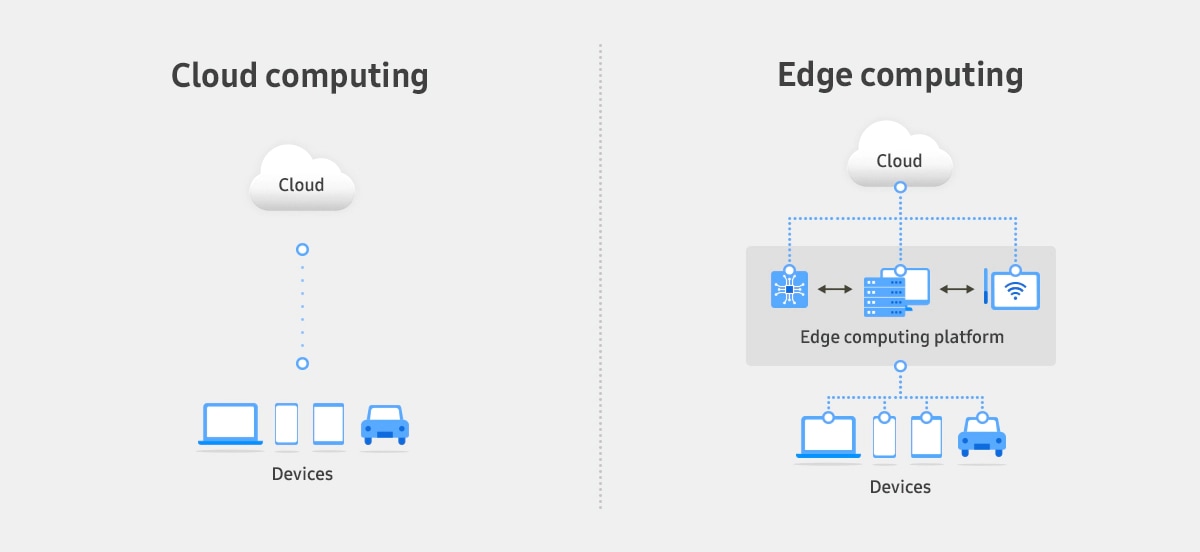
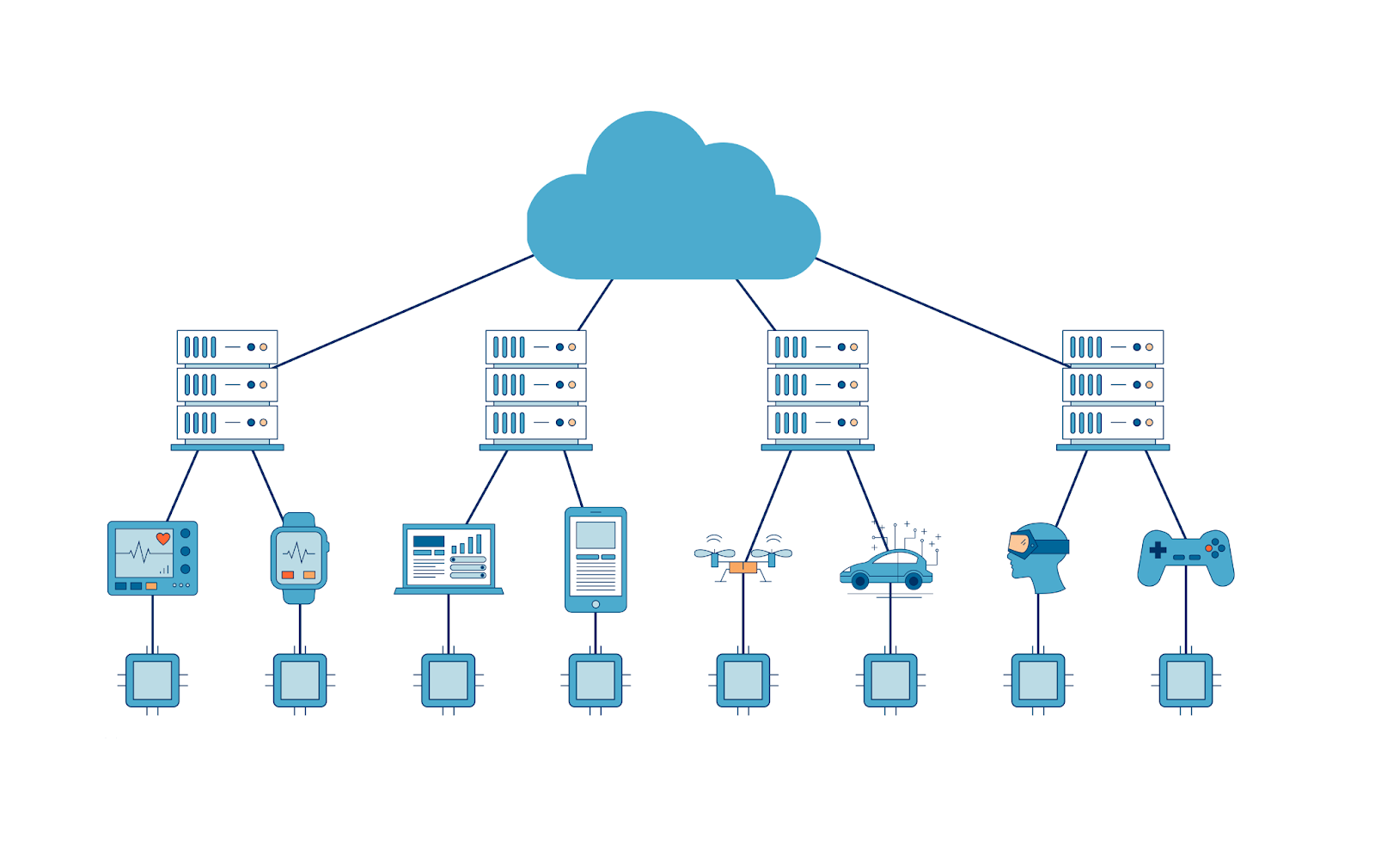
At its core, edge computing is about decentralizing data processing. Unlike traditional cloud computing, where data is sent to a central server for analysis, edge computing involves processing data locally on devices or local servers. This is achieved through edge devices, which can range from sensors and IoT gadgets to micro data centers located near the source of data generation. The primary goal is to reduce the distance data must travel, thereby lowering latency and improving response times.
The concept of edge computing is closely tied to the rise of the Internet of Things (IoT). As more devices become interconnected, the need for real-time data processing has intensified. Edge computing complements cloud computing by handling data that requires immediate attention, while less time-sensitive data can still be sent to the cloud for long-term storage and deeper analysis. This hybrid approach ensures that both speed and scalability are optimized. Moreover, edge computing enhances security by limiting the exposure of sensitive data to external networks, reducing the risk of breaches and cyberattacks.
Key Features & Highlights
- Low Latency: By processing data locally, edge computing significantly reduces the time it takes to analyze and respond to information. This is crucial for applications such as autonomous driving, where even milliseconds can determine safety.
- Bandwidth Efficiency: Sending large volumes of data to a central cloud server consumes significant bandwidth. Edge computing minimizes this by filtering and processing data at the source, reducing the load on network infrastructure.
- Enhanced Security: Keeping data processing local reduces the exposure of sensitive information to external networks, lowering the risk of cyber threats. Edge devices can also implement security protocols tailored to specific environments.
- Scalability: Edge computing allows organizations to scale their operations without relying solely on centralized cloud infrastructure. This is particularly beneficial for businesses with distributed operations, such as manufacturing plants or retail chains.
- Reliability: In scenarios where internet connectivity is unreliable, edge computing ensures that critical operations continue to function. Local processing allows devices to operate autonomously, even when disconnected from the cloud.
- Real-Time Analytics: Industries such as healthcare, finance, and logistics benefit from the ability to analyze data in real time. For example, hospitals can monitor patient vitals instantly, while financial institutions can detect fraudulent transactions without delay.
- Cost Efficiency: By reducing the amount of data sent to the cloud, organizations can lower their cloud storage and bandwidth costs. Additionally, edge computing can minimize the need for expensive hardware upgrades in central data centers.
Frequently Asked Questions / Pros & Cons
What is the primary difference between edge computing and cloud computing?
Cloud computing relies on centralized data centers to process and store data, which can introduce latency due to the distance data must travel. Edge computing, on the other hand, processes data locally at the source or on nearby edge devices, resulting in faster response times and reduced bandwidth usage.
Which industries benefit the most from edge computing?
Edge computing is particularly valuable in industries that require real-time data processing and low latency. Some of the top sectors include:
- Autonomous vehicles and transportation
- Healthcare, including telemedicine and remote patient monitoring
- Manufacturing and industrial IoT for predictive maintenance
- Smart cities for traffic management and public safety
- Retail for personalized customer experiences and inventory management
- Energy and utilities for grid monitoring and optimization
What are the main challenges of implementing edge computing?
While edge computing offers numerous advantages, it also presents several challenges:
- Security Vulnerabilities: Edge devices are often more exposed to physical and cyber threats due to their distributed nature. Ensuring robust security measures across all devices can be complex.
- Limited Processing Power: Many edge devices have limited computational resources compared to traditional servers, which can restrict the complexity of tasks they can perform.
- Management Complexity: Managing a large number of edge devices across different locations requires sophisticated tools and strategies to ensure consistency, updates, and monitoring.
- Data Privacy Concerns: Processing data locally may still involve sensitive information, raising concerns about compliance with privacy regulations such as GDPR.
- Integration Challenges: Integrating edge computing with existing cloud and on-premises systems can be technically demanding, requiring careful planning and execution.
How does edge computing enhance cybersecurity?
Edge computing enhances cybersecurity by reducing the amount of data transmitted over networks, thereby minimizing exposure to potential cyber threats. Local processing allows sensitive data to be analyzed and secured at the source, rather than being sent to a central server where it could be intercepted. Additionally, edge devices can implement tailored security protocols, such as encryption and authentication, to protect against unauthorized access. By decentralizing security measures, organizations can create multiple layers of defense, making it more difficult for cybercriminals to infiltrate systems.
Practical Guidance & Solutions
For businesses looking to adopt edge computing, a strategic approach is essential to maximize its benefits while mitigating potential risks. Here are some actionable steps to consider:
Evaluate Your Use Case
Before implementing edge computing, identify the specific challenges and opportunities within your industry. Determine whether your applications require real-time processing, low latency, or enhanced security. For example, if you operate a manufacturing facility, edge computing can help monitor equipment health and predict maintenance needs. If you are in healthcare, consider how edge devices can improve patient monitoring and diagnostic accuracy.
Choose the Right Edge Devices
Select edge devices that align with your processing and storage requirements. Factors to consider include computational power, energy efficiency, and connectivity options. For high-performance applications, you may need more powerful edge servers, while simpler tasks can be handled by lightweight IoT sensors. Additionally, ensure that the devices support the necessary security protocols to protect against cyber threats.
Implement Robust Security Measures
Security should be a top priority when deploying edge computing solutions. Start by implementing encryption for data in transit and at rest. Use authentication mechanisms to verify the identity of devices and users accessing your network. Regularly update firmware and software to patch vulnerabilities. Consider deploying a zero-trust security model, which assumes that no device or user is inherently trustworthy and requires continuous verification.
Develop a Scalable Architecture
Design your edge computing architecture with scalability in mind. Use modular components that can be easily updated or expanded as your needs evolve. Consider adopting containerization technologies, such as Kubernetes, to manage and deploy applications across multiple edge locations. This approach ensures that your system can grow without compromising performance or security.
Monitor and Manage Edge Devices
Effective management is critical to the success of edge computing deployments. Implement a centralized management platform to monitor the health, performance, and security of your edge devices. This platform should provide real-time analytics, alerting, and remote troubleshooting capabilities. Regularly review logs and performance metrics to identify potential issues before they escalate.
Conclusion
Edge computing is more than just a technological innovation; it is a paradigm shift that is redefining the way we process and analyze data. By bringing computation closer to the source, edge computing delivers unparalleled speed, efficiency, and security, making it an indispensable tool for industries that demand real-time insights and responsiveness. From autonomous vehicles to smart factories, the transformative potential of edge computing is reshaping the digital frontier, unlocking new possibilities for innovation and growth.
As organizations continue to embrace digital transformation, the adoption of edge computing will only accelerate. However, success requires careful planning, robust security measures, and a clear understanding of the unique challenges and opportunities presented by this technology. By taking a strategic and proactive approach, businesses can harness the full power of edge computing to drive efficiency, enhance user experiences, and stay ahead in an increasingly competitive landscape. The future of data processing is here, and it is decentralized, intelligent, and edge-powered.