Introduction & Background
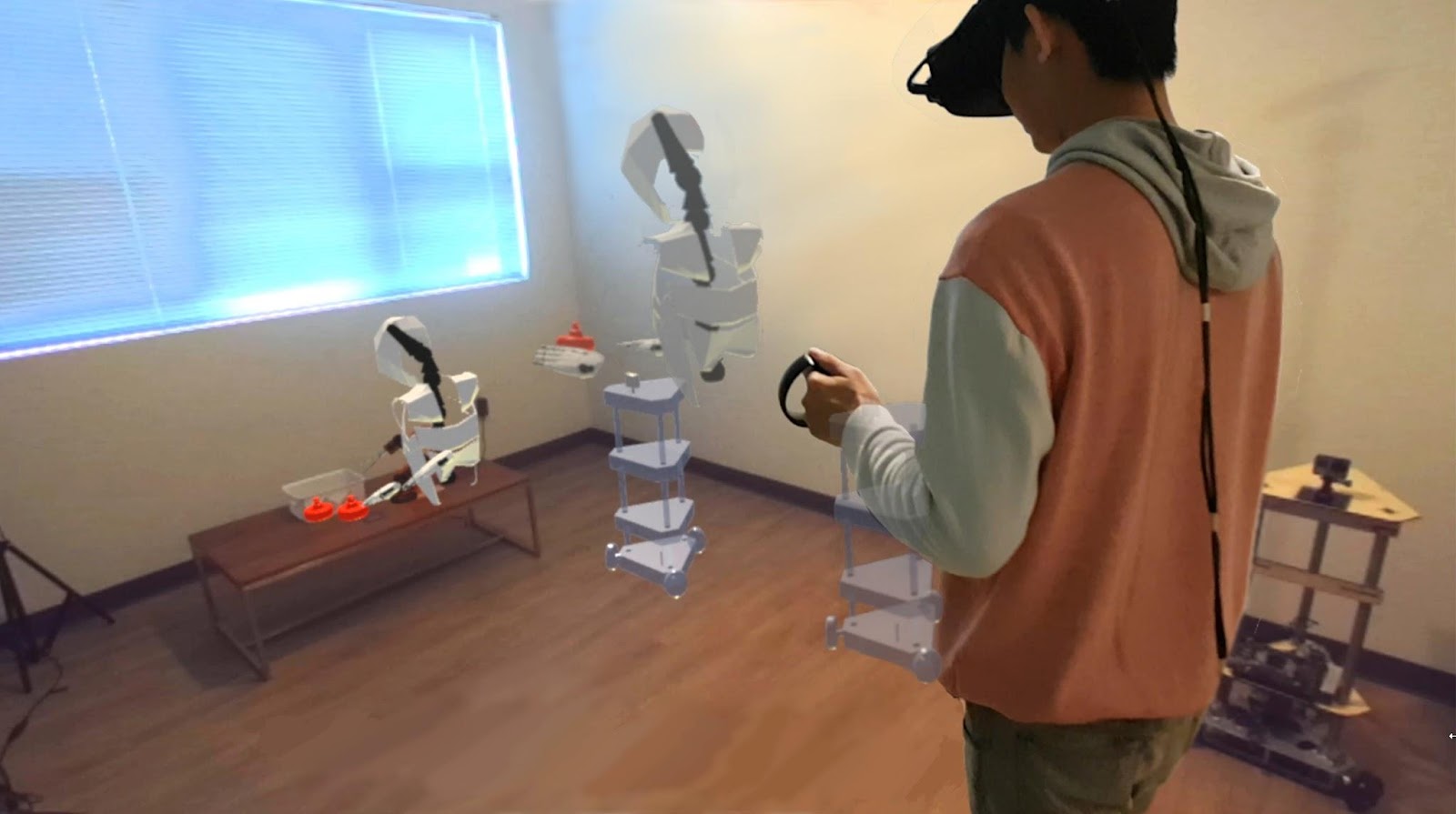
Technology has always pushed the boundaries of human perception, transforming how we interact with the world around us. Among the most groundbreaking innovations of the last decade is augmented reality (AR), a field that overlays digital information onto our physical environment. At the heart of this revolution are AR glasses, wearable devices designed to blend the virtual and the real in seamless ways. These glasses are not just gadgets but gateways to a new era of interaction, communication, and productivity. As industries from healthcare to entertainment embrace AR, the potential to reshape reality itself becomes increasingly tangible. The significance of AR glasses lies in their ability to enhance human capabilities, making complex tasks simpler and opening doors to experiences that were once confined to science fiction.
Concept & Overview
Augmented reality glasses are wearable technology that projects digital content, such as images, text, and animations, onto the user’s field of vision while allowing them to remain aware of their surroundings. Unlike virtual reality (VR) headsets, which immerse users in a completely digital environment, AR glasses overlay digital elements onto the real world. This hybrid approach makes them versatile tools for a wide range of applications, from navigation and gaming to professional training and remote assistance. The core principle behind AR glasses is spatial computing, where the device understands and interacts with the physical space around the user. Sensors, cameras, and advanced algorithms work together to map environments, track movements, and render digital content in real time. As these technologies evolve, AR glasses are becoming lighter, more intuitive, and increasingly integrated into daily life.
Key Features & Highlights
- Real-Time Data Overlay: AR glasses can display live information such as weather updates, messages, or navigation directions directly in the user’s line of sight. This feature is especially useful for professionals like surgeons, engineers, and field technicians who need hands-free access to critical data.
- Gesture & Voice Control: Many modern AR glasses incorporate advanced input methods, allowing users to navigate menus, select options, or issue commands through gestures or voice. This hands-free operation enhances convenience and safety, particularly in environments where manual interaction is not feasible.
- Spatial Mapping & Object Recognition: Using depth-sensing cameras and AI, AR glasses can map rooms, identify objects, and even recognize faces. This capability enables applications like virtual furniture placement, interactive product demonstrations, and augmented retail experiences.
- Wireless Connectivity & Cloud Integration: High-speed connectivity ensures that AR glasses can access cloud-based services, enabling features like real-time collaboration, cloud storage for digital assets, and seamless updates. This integration allows users to leverage powerful computing resources without being tethered to a device.
- Lightweight & Comfortable Design: Early AR glasses were bulky and uncomfortable, but recent advancements have led to sleeker, more ergonomic designs. Many newer models resemble standard eyeglasses, making them suitable for extended wear without causing fatigue.
- Battery Life & Power Efficiency: Innovations in battery technology and power management have extended the operational time of AR glasses. Some models now offer all-day battery life, while others support fast charging, ensuring users stay connected throughout their activities.
Frequently Asked Questions / Pros & Cons
What are the main benefits of using AR glasses?
AR glasses offer numerous advantages, including enhanced productivity by providing instant access to information without interrupting workflow. They also improve safety in high-risk professions by enabling remote assistance and hazard alerts. Additionally, AR glasses foster creativity and learning by offering interactive, immersive experiences for education and entertainment.
What are the potential drawbacks of AR glasses?
One of the primary concerns is privacy, as AR glasses equipped with cameras raise questions about unauthorized recording and data collection. Battery life can also be a limitation, especially for devices with high processing demands. Moreover, the cost of advanced AR glasses remains prohibitive for many consumers, restricting widespread adoption. Finally, the social acceptance of wearing AR glasses in public spaces is still evolving, as some users may feel self-conscious or face skepticism from others.
How do AR glasses differ from VR headsets?
While both AR glasses and VR headsets blend digital content with reality, their core functionalities are distinct. VR headsets create a fully immersive digital environment, isolating users from the physical world. In contrast, AR glasses overlay digital elements onto the real world, allowing users to remain engaged with their surroundings. This fundamental difference makes AR glasses more suitable for tasks requiring situational awareness, such as driving or navigating busy environments.
Are AR glasses safe for prolonged use?
Most modern AR glasses are designed with eye strain and comfort in mind, featuring anti-glare screens and adjustable brightness levels. However, prolonged use may still cause discomfort, such as headaches or dry eyes, particularly if the device is not properly calibrated. It is essential to follow manufacturer guidelines, take regular breaks, and ensure the glasses fit correctly to minimize any adverse effects.
Practical Guidance & Solutions
For those considering adopting AR glasses, here are some actionable steps to ensure a smooth and beneficial experience. First, assess your needs and identify the specific use cases for the device. Are you a professional looking for hands-free tools, a gamer seeking immersive experiences, or an educator exploring interactive learning? Your primary use case will help narrow down the features and models that best suit your requirements.
When selecting AR glasses, prioritize comfort and fit. Opt for models with adjustable frames and lightweight materials to avoid discomfort during extended wear. Battery life is another critical factor, so choose a device that aligns with your daily usage patterns. If you plan to use AR glasses outdoors, look for models with durable designs and scratch-resistant lenses.
To address privacy concerns, familiarize yourself with the device’s data collection policies and opt for models that offer transparent privacy controls. Disable recording features when not in use, and be mindful of the environments where you use AR glasses to respect others’ privacy. Additionally, keep your device updated with the latest software to benefit from security patches and performance improvements.
For those new to AR technology, start with user-friendly models that offer intuitive interfaces and comprehensive tutorials. Practice using the glasses in low-stakes environments to build confidence before integrating them into professional or high-pressure scenarios. Joining online communities or forums dedicated to AR technology can also provide valuable insights, tips, and troubleshooting advice from experienced users.
Conclusion
The rise of AR glasses marks a pivotal moment in the evolution of human-computer interaction. These devices are not merely gadgets but transformative tools that bridge the gap between the digital and physical worlds. From revolutionizing industries to enhancing everyday experiences, AR glasses are reshaping reality in ways that were once unimaginable. As technology continues to advance, we can expect even more groundbreaking developments, making AR glasses an integral part of our future. Whether you are a professional seeking to boost productivity, a student eager to learn interactively, or simply a tech enthusiast exploring new horizons, AR glasses offer a window into a world where the boundaries of reality are continually redefined. The journey has just begun, and the possibilities are limitless.