Unlocking the Hidden Stories: Big Data and Analytics in the Digital Age
In today’s hyper-connected world, data is often called the new oil—a raw resource that, when refined, powers innovation, decision-making, and competitive advantage. The digital age has given rise to an unprecedented volume of data, generated every second through interactions on social media, online transactions, IoT devices, and more. But raw data alone is meaningless unless it is transformed into actionable insights. This is where big data and analytics come into play. They serve as the bridge between overwhelming information and meaningful narratives, revealing patterns, trends, and stories that were once hidden in plain sight.
Big data refers to datasets so large and complex that traditional data processing methods fall short. These datasets are characterized by the “three Vs”: volume (sheer size), velocity (speed of generation), and variety (different types of data). When combined with advanced analytics—ranging from descriptive and diagnostic to predictive and prescriptive analytics—organizations can unlock value that transcends mere numbers. They can uncover customer preferences, detect fraud, optimize supply chains, and even predict global trends before they fully materialize.
The impact of big data and analytics extends across industries, reshaping economies and societies. From healthcare to finance, retail to education, the ability to extract hidden stories from data is transforming how businesses operate and how governments serve their citizens. Yet, this power comes with challenges—privacy concerns, ethical dilemmas, and the need for skilled professionals who can navigate this data-rich landscape. As we delve deeper into the digital age, understanding the role of big data and analytics is not just a technological imperative; it’s a strategic one.
—
How Big Data is Transforming Industries
Big data is no longer a buzzword reserved for tech giants—it has become a cornerstone of modern industry. Organizations across sectors are leveraging data to gain a competitive edge, improve efficiency, and deliver personalized experiences. Below are some of the key industries being reshaped by big data and analytics:
Healthcare: From Reactive to Predictive Care
In healthcare, big data is revolutionizing patient care and operational efficiency. Hospitals and clinics are using electronic health records (EHRs), wearable devices, and genomic data to create comprehensive patient profiles. Analytics can predict disease outbreaks, identify high-risk patients, and recommend personalized treatment plans. For instance, AI-driven systems can analyze millions of medical images to detect early signs of cancer with greater accuracy than human radiologists.
- Personalized Medicine: Tailoring treatments based on a patient’s genetic makeup and lifestyle.
- Predictive Analytics: Forecasting patient readmissions and optimizing staffing levels.
- Drug Discovery: Accelerating research by analyzing clinical trial data and molecular interactions.
Finance: Detecting Fraud and Enhancing Customer Experience
Financial institutions are harnessing big data to combat fraud, manage risks, and enhance customer satisfaction. Real-time transaction monitoring systems analyze patterns to flag suspicious activities, often before fraudulent transactions are completed. Banks also use predictive analytics to assess creditworthiness, approve loans faster, and offer personalized financial products.
- Fraud Detection: Machine learning models identify anomalies in transaction behaviors.
- Algorithmic Trading: High-frequency trading platforms use data analytics to make split-second investment decisions.
- Customer Insights: Analyzing spending habits to recommend relevant products or services.
Retail and E-Commerce: Understanding the Customer Journey
Retailers are turning to big data to decode consumer behavior and optimize every stage of the shopping experience. From personalized recommendations on Amazon to dynamic pricing on airline tickets, data-driven strategies are driving sales and customer loyalty. Advanced analytics can track customer journeys across multiple touchpoints, helping brands predict demand and manage inventory efficiently.
- Recommendation Engines: Using past purchases and browsing history to suggest products.
- Supply Chain Optimization: Predicting demand to reduce waste and stockouts.
- Sentiment Analysis: Monitoring social media and reviews to gauge brand perception.
Public Sector: Smart Cities and Policy Making
Governments are increasingly using big data to improve public services and urban planning. Smart city initiatives collect data from sensors, traffic cameras, and citizen feedback to optimize traffic flow, reduce pollution, and enhance public safety. Analytics also play a crucial role in policy-making, enabling evidence-based decisions in areas such as healthcare, education, and infrastructure development.
- Traffic Management: Real-time data from GPS and sensors to reduce congestion.
- Disaster Response: Predicting natural disasters and coordinating emergency services.
- Citizen Engagement: Using data to tailor public services to community needs.
—
The Power of Analytics: From Data to Insight
While big data provides the raw material, analytics is the engine that transforms it into valuable insights. Analytics can be categorized into four main types, each serving a distinct purpose in the data value chain:
Descriptive Analytics: What Happened?
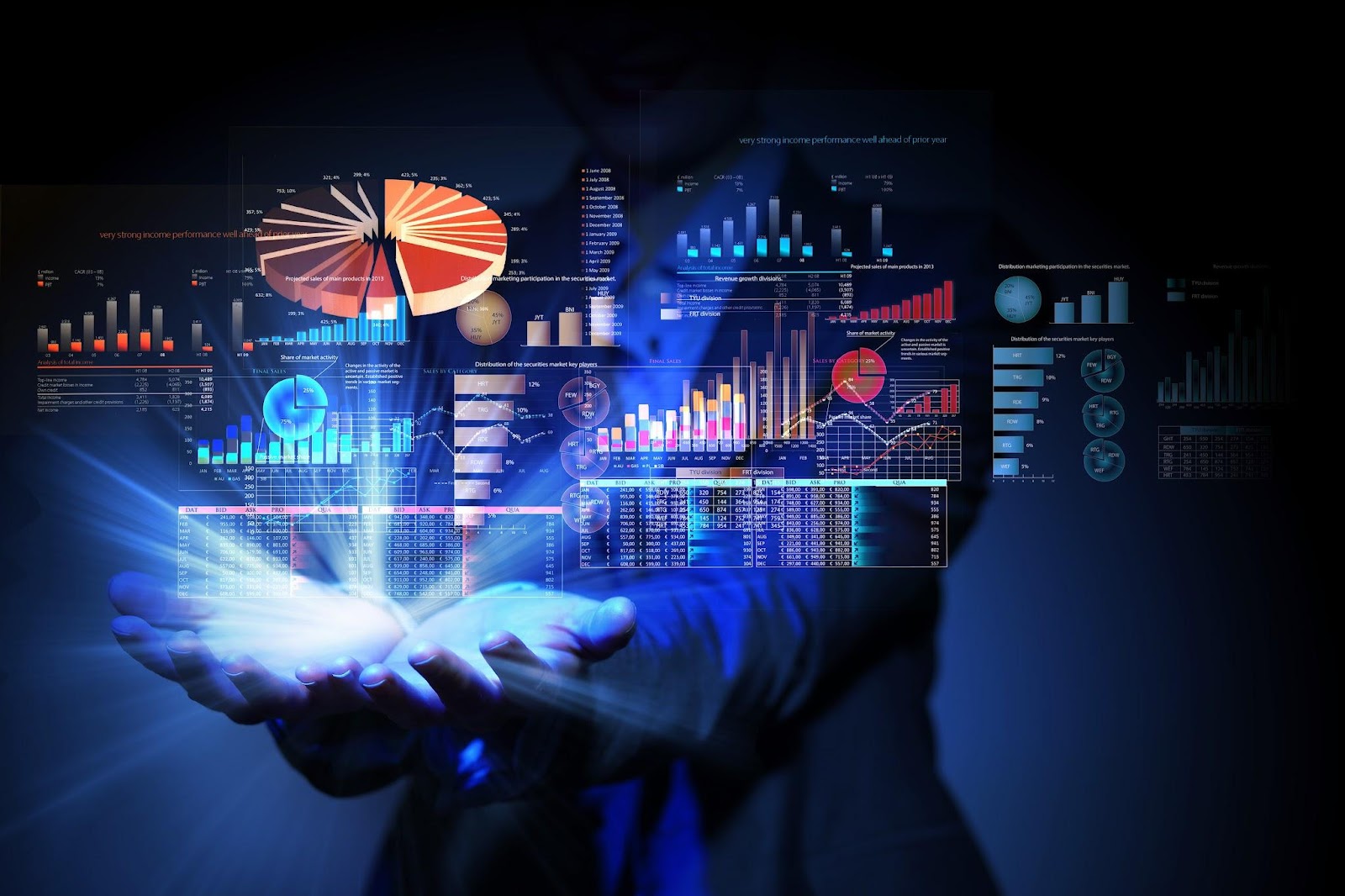
Descriptive analytics is the foundation of data analysis. It focuses on summarizing historical data to understand what has occurred. Techniques like data aggregation, data mining, and reporting help organizations review past performance. Dashboards and scorecards are common tools used here to visualize trends over time.
- Sales reports showing quarterly revenue.
- Website traffic analytics showing page views and bounce rates.
- Inventory reports detailing stock levels and turnover rates.
Diagnostic Analytics: Why Did It Happen?
Moving beyond what happened, diagnostic analytics seeks to uncover the causes behind events. This involves drilling down into data to identify correlations and root causes. Techniques such as drill-down analysis, data discovery, and statistical analysis are employed to explain anomalies or trends.
- Investigating a sudden drop in customer retention.
- Identifying the factors contributing to a production delay.
- Analyzing the impact of a marketing campaign on sales.
Predictive Analytics: What Could Happen?
Predictive analytics uses historical data, machine learning, and statistical models to forecast future outcomes. By identifying patterns and trends, organizations can anticipate risks and opportunities. This type of analytics powers recommendation systems, risk assessment models, and demand forecasting.
- Predicting customer churn before it happens.
- Forecasting stock market trends using historical price data.
- Estimating future energy demand based on weather patterns.
Prescriptive Analytics: What Should We Do?
The most advanced form of analytics, prescriptive analytics, not only predicts outcomes but also recommends actions to achieve desired results. It combines optimization techniques, simulation, and AI to suggest the best course of action. This is particularly valuable in fields like logistics, healthcare, and finance.
- Optimizing delivery routes for a logistics company.
- Recommending the most effective treatment plan for a patient.
- Determining the optimal pricing strategy for a new product launch.
Together, these four types of analytics form a comprehensive framework that enables organizations to move from hindsight to foresight, ultimately driving strategic decision-making.
—
Challenges and Ethical Considerations in Big Data and Analytics
Despite its transformative potential, the use of big data and analytics is not without significant challenges. These issues range from technical limitations to ethical dilemmas that demand careful consideration.
Data Privacy and Security
As organizations collect and analyze vast amounts of personal data, concerns about privacy and security have intensified. High-profile data breaches have exposed sensitive information, eroding public trust. Compliance with regulations like the General Data Protection Regulation (GDPR) in Europe and the California Consumer Privacy Act (CCPA) in the U.S. has become essential, forcing companies to adopt stringent data governance practices.
- Ensuring anonymization of personally identifiable information (PII).
- Implementing robust encryption and access controls.
- Providing transparency in data collection and usage practices.
Data Quality and Accuracy
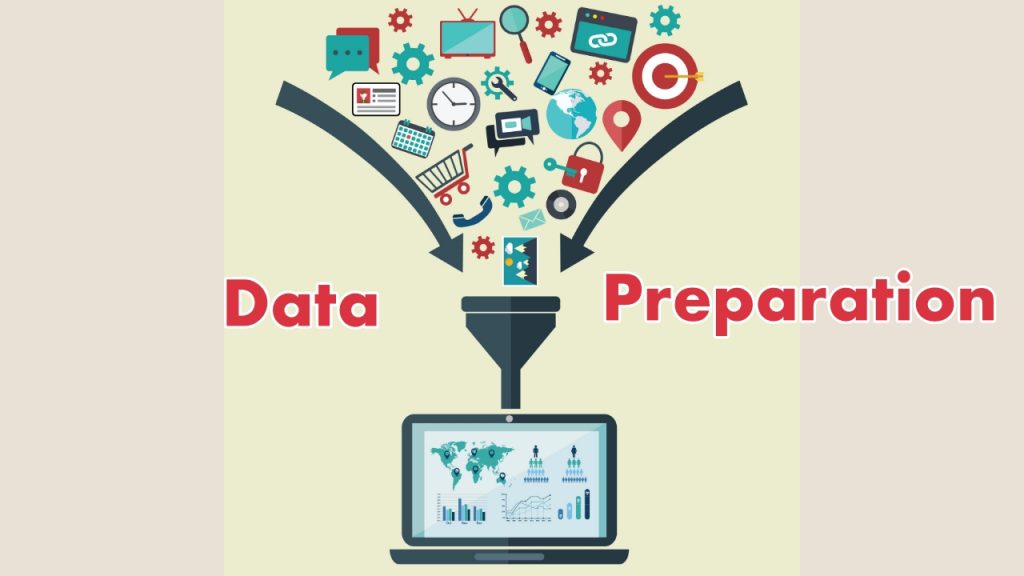
Big data is only as good as the quality of the data itself. Inaccurate, incomplete, or inconsistent data can lead to misleading insights and poor decisions. Issues such as data silos, duplication, and outdated records pose significant challenges. Organizations must invest in data cleansing, integration, and validation processes to maintain high standards of data quality.
- Establishing data governance frameworks.
- Using data profiling tools to assess data quality.
- Regularly updating and maintaining data repositories.
Skills Gap and Talent Shortage
The demand for data scientists, analysts, and engineers far exceeds the supply. There is a critical shortage of professionals skilled in data science, machine learning, and advanced analytics. This talent gap slows down innovation and limits the potential of big data initiatives. Companies are increasingly investing in upskilling programs and partnering with educational institutions to build a capable workforce.
- Offering training programs in data literacy for employees.
- Partnering with universities to develop specialized curricula.
- Encouraging interdisciplinary collaboration between data experts and domain specialists.
Ethical Use of Data
Beyond privacy, the ethical implications of data usage are a growing concern. Issues such as algorithmic bias, surveillance, and the misuse of data can have far-reaching consequences. For instance, biased algorithms in hiring processes can perpetuate discrimination, while excessive surveillance can infringe on civil liberties. Organizations must adopt ethical frameworks and ensure responsible AI practices.
- Conducting bias audits on AI models.
- Establishing ethical guidelines for data usage.
- Promoting diversity and inclusion in data science teams.
—
The Future of Big Data and Analytics
The evolution of big data and analytics is far from over. Emerging technologies and trends are set to redefine how data is collected, processed, and utilized. The future promises more intelligent, autonomous, and human-centric data systems.
Artificial Intelligence and Machine Learning
AI and machine learning are at the heart of next-generation analytics. These technologies enable systems to learn from data, identify complex patterns, and make autonomous decisions. Deep learning, a subset of machine learning, is particularly powerful in processing unstructured data like images, speech, and text. The integration of AI will make analytics more predictive, adaptive, and capable of handling real-time data streams.
- Autonomous chatbots providing customer support.
- AI-driven fraud detection systems that improve over time.
- Predictive maintenance in manufacturing using IoT and AI.
Edge Computing
Edge computing brings data processing closer to the source of data generation, reducing latency and improving efficiency. This is particularly important for IoT devices, autonomous vehicles, and real-time applications. By processing data at the edge, organizations can reduce bandwidth usage and enhance response times, enabling faster decision-making.
- Smart sensors in factories monitoring equipment health.
- Autonomous drones using real-time data for navigation.
- Retail stores using edge analytics for personalized customer interactions.
Augmented Analytics
Augmented analytics leverages AI and natural language processing (NLP) to automate data preparation, insight generation, and insight explanation. This democratizes analytics, making it accessible to non-technical users. Tools with augmented analytics capabilities can generate insights in plain language, allowing business users to make data-driven decisions without deep technical expertise.
- Automated report generation using natural language queries.
- AI-powered data visualization tools that suggest relevant charts.
- Voice-enabled analytics platforms for hands-free data exploration.
Data Democratization
As data literacy improves, there is a growing trend toward data democratization—the idea that data and insights should be accessible to everyone within an organization, not just data scientists. By empowering employees with self-service analytics tools, companies can foster a culture of data-driven decision-making. This shift requires not only technology but also training and cultural change.
- Self-service BI tools like Tableau and Power BI.
- Internal data portals providing curated datasets to employees.
- Data storytelling workshops to improve communication of insights.
Quantum Computing
While still in its infancy, quantum computing holds the potential to revolutionize big data analytics. Quantum computers leverage the principles of quantum mechanics to process vast datasets exponentially faster than classical computers. This could unlock new possibilities in fields such as drug discovery, financial modeling, and climate science. Although widespread adoption is likely years away, the early developments are already sparking excitement.
—
Conclusion: Embracing the Data-Driven Future
Big data and analytics are not just technological trends—they represent a fundamental shift in how we understand the world. By unlocking hidden stories buried in vast datasets, organizations can make smarter decisions, innovate faster, and create value in ways previously unimaginable. From improving healthcare outcomes to optimizing global supply chains, the applications are as diverse as they are impactful.
However, this journey is not without its challenges. Privacy concerns, ethical dilemmas, and the need for skilled talent demand careful navigation. As we move forward, a balanced approach—one that embraces innovation while prioritizing responsibility—will be key to harnessing the full potential of big data.
The digital age has given us the tools to decode the past, understand the present, and predict the future. The question is no longer whether we can unlock these hidden stories, but how we choose to use this knowledge to build a better, more connected, and more equitable world. In this data-driven future, the organizations and individuals who adapt, learn, and act wisely will not only survive—they will thrive.