Unlocking Insights: How Data Analytics is Revolutionizing the World Around Us
In an era where information is generated at an unprecedented pace, data analytics has emerged as a transformative force across industries, societies, and everyday life. From predicting market trends to enhancing healthcare outcomes, the ability to extract meaningful insights from vast datasets is reshaping how we understand and interact with the world. This article explores the profound impact of data analytics, its key applications, and the future it is helping to build.
The Rise of Data Analytics
Data analytics refers to the process of examining raw data to uncover patterns, correlations, and trends that can inform decision-making. With advancements in technology, particularly in artificial intelligence (AI) and machine learning (ML), the capabilities of data analytics have expanded exponentially. Today, businesses, governments, and individuals leverage these tools to make more informed, data-driven choices.
The evolution of data analytics can be traced through several phases:
- Descriptive Analytics: Focuses on what has happened by analyzing historical data. Tools like dashboards and reports help organizations understand past performance.
- Diagnostic Analytics: Aims to answer why something happened by identifying root causes through data exploration.
- Predictive Analytics: Uses statistical models and machine learning to forecast future outcomes based on historical data.
- Prescriptive Analytics: Goes a step further by recommending actions to optimize results, often incorporating AI-driven simulations.
This progression from hindsight to foresight to actionable strategies underscores the growing sophistication of data analytics and its role as a cornerstone of modern innovation.
Transformative Applications Across Industries
Data analytics is not confined to a single sector; its influence spans nearly every field, driving efficiency, innovation, and competitive advantage.
Healthcare: Personalizing Care and Saving Lives
In healthcare, data analytics is revolutionizing patient care and operational efficiency. Electronic health records (EHRs), wearable devices, and genomic data are being analyzed to:
- Predict disease outbreaks by monitoring patterns in real-time data.
- Personalize treatment plans based on a patient’s genetic makeup and medical history.
- Improve hospital operations by optimizing staff schedules and resource allocation.
- Enhance diagnostic accuracy through AI-powered imaging analysis.
The integration of predictive analytics in healthcare is saving lives by enabling early intervention and reducing medical errors.
Finance: Detecting Fraud and Driving Growth
The financial sector relies heavily on data analytics to manage risk, detect fraud, and enhance customer experiences. Key applications include:
- Fraud Detection: Machine learning models analyze transaction patterns to identify anomalies and prevent fraudulent activities.
- Credit Scoring: Alternative data sources, such as social media activity and utility payments, are used to assess creditworthiness.
- Algorithmic Trading: High-frequency trading platforms use real-time data to execute trades at optimal times.
- Customer Insights: Banks leverage analytics to personalize offers and improve customer retention.
By harnessing the power of data, financial institutions are not only mitigating risks but also unlocking new revenue streams.
Retail and E-Commerce: Enhancing Customer Experiences
In the retail industry, data analytics is transforming how businesses understand and engage with their customers. Retailers use data to:
- Optimize Pricing: Dynamic pricing algorithms adjust prices in real-time based on demand, competition, and customer behavior.
- Personalize Recommendations: E-commerce giants like Amazon and Netflix use recommendation engines to suggest products and content tailored to individual preferences.
- Improve Supply Chain Management: Predictive analytics helps retailers forecast demand, reducing stockouts and overstock situations.
- Enhance Customer Loyalty: By analyzing purchase history and engagement metrics, brands can design targeted loyalty programs.
The result is a more seamless, personalized shopping experience that drives sales and fosters customer loyalty.
Transportation and Logistics: Streamlining Operations
Data analytics is optimizing transportation networks and logistics by providing insights into route efficiency, fuel consumption, and delivery timelines. Applications include:
- Route Optimization: GPS and traffic data are used to determine the fastest and most cost-effective delivery routes.
- Predictive Maintenance: Sensors on vehicles and machinery collect data to predict failures before they occur, reducing downtime.
- Demand Forecasting: Logistics companies analyze historical data to anticipate demand and allocate resources accordingly.
- Sustainability Initiatives: Data analytics helps companies measure and reduce their carbon footprint by optimizing fuel use and route planning.
These innovations are not only improving operational efficiency but also contributing to a more sustainable future.
The Role of Big Data and AI in Analytics
At the heart of modern data analytics is the combination of big data and artificial intelligence. Big data refers to the massive volumes of structured and unstructured data generated daily, while AI and machine learning algorithms process this data to uncover hidden patterns and generate actionable insights.
Key components of this ecosystem include:
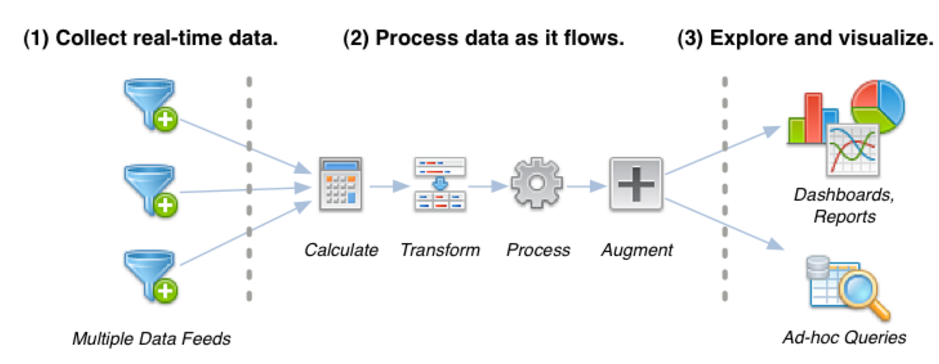
- Data Collection: Sensors, IoT devices, social media, and transaction records contribute to vast datasets.
- Data Storage: Cloud computing and distributed databases enable the storage and management of large-scale data.
- Data Processing: Technologies like Hadoop and Spark facilitate the processing of large datasets in real-time.
- Advanced Analytics: AI-driven tools, including natural language processing (NLP) and deep learning, extract insights from complex data.
The synergy between big data and AI is accelerating innovation, enabling industries to solve problems that were once deemed unsolvable.
Challenges and Ethical Considerations
Despite its transformative potential, data analytics presents several challenges and ethical dilemmas that must be addressed to ensure responsible and equitable use.
Data Privacy and Security
As organizations collect and analyze vast amounts of personal data, concerns about privacy and security have intensified. High-profile data breaches and misuse of data have highlighted the need for robust regulations and ethical guidelines.
- Regulatory Compliance: Laws such as the General Data Protection Regulation (GDPR) in Europe and the California Consumer Privacy Act (CCPA) in the U.S. mandate strict data protection measures.
- Data Anonymization: Techniques like differential privacy and k-anonymity are used to protect individual identities while allowing for meaningful analysis.
- Cybersecurity Measures: Encryption, access controls, and regular audits are essential to safeguarding sensitive data.
Bias and Fairness in Algorithms
AI and machine learning models are only as good as the data they are trained on. Biases in data can lead to discriminatory outcomes, particularly in areas like hiring, lending, and law enforcement.
- Algorithmic Audits: Regular reviews of AI models help identify and mitigate biases.
- Diverse Data Sets: Ensuring that training data is representative of diverse populations reduces the risk of bias.
- Transparency: Open-source models and explainable AI (XAI) techniques make it easier to understand how decisions are made.
Job Displacement and the Future of Work
The automation of tasks through data analytics and AI is transforming the job market. While new roles are emerging, many traditional jobs are at risk of displacement.
- Reskilling Initiatives: Governments and organizations are investing in upskilling programs to prepare workers for data-driven roles.
- Human-AI Collaboration: Emphasizing the complementary nature of human judgment and AI-driven insights can create more resilient workforces.
- Policy Frameworks: Policymakers are exploring measures like universal basic income (UBI) and wage subsidies to address economic disruptions.
Addressing these challenges requires a balanced approach that prioritizes innovation while safeguarding societal well-being.
The Future of Data Analytics
The future of data analytics is poised to be even more dynamic, with emerging technologies and trends set to redefine its boundaries. Some of the most promising developments include:
Edge Computing and Real-Time Analytics
Edge computing brings data processing closer to the source, reducing latency and enabling real-time analytics. This is particularly valuable in industries like manufacturing, healthcare, and autonomous vehicles, where immediate decision-making is critical.
Quantum Computing
Quantum computing has the potential to revolutionize data analytics by solving complex problems at speeds unattainable by classical computers. Applications include drug discovery, financial modeling, and climate prediction, where massive datasets require rapid processing.
Augmented Analytics
Augmented analytics combines AI and natural language processing to automate data preparation, insight generation, and sharing. This democratizes data analytics, making it accessible to non-technical users through intuitive tools and conversational interfaces.
Ethical and Responsible AI
As data analytics becomes more pervasive, the demand for ethical and responsible AI will grow. Organizations will need to prioritize transparency, accountability, and inclusivity in their AI-driven initiatives to maintain public trust.
Conclusion: A Data-Driven World
Data analytics is no longer a luxury—it is a necessity for organizations and societies seeking to thrive in an increasingly complex world. By unlocking insights from data, we can make smarter decisions, solve pressing challenges, and create a more efficient, equitable, and sustainable future. However, realizing this potential requires addressing ethical concerns, investing in education and infrastructure, and fostering collaboration between technologists, policymakers, and communities.
The revolution is underway, and the possibilities are limitless. As we harness the power of data analytics, we stand at the precipice of a new era—one where insights drive progress, and the world becomes more connected than ever before.