Unlocking Reality: How AR Applications Are Blending the Digital and Physical Worlds
Imagine walking down a bustling city street and seeing historical figures walking alongside you, their stories unfolding in real time. Picture trying on clothes virtually before stepping into a store, or navigating an unfamiliar building with digital arrows guiding your way. These aren’t scenes from a futuristic movie—they’re glimpses into how augmented reality (AR) is reshaping our interaction with the world. AR applications are no longer a novelty confined to gaming; they are becoming integral tools that merge the digital and physical realms, creating immersive experiences that enhance daily life.
AR’s rise isn’t just about entertainment—it’s transforming industries, education, healthcare, and even how we perceive reality itself. By overlaying digital information onto our physical surroundings, AR applications provide context, utility, and interactivity that were once unimaginable. From retail and navigation to social media and manufacturing, the applications of AR are vast and growing. But how exactly is this technology bridging the gap between the digital and physical worlds? Let’s explore the mechanics, real-world uses, and future potential of AR applications.
The Technology Behind AR: How It Works
At its core, augmented reality relies on three key components: sensors, processing power, and display technology. Smartphones, tablets, and AR glasses serve as the primary platforms for AR applications, equipped with cameras, GPS, accelerometers, and gyroscopes to detect the user’s environment and movement. Advanced algorithms then analyze this data to overlay digital elements—such as 3D models, text, or animations—onto the real world in real time.
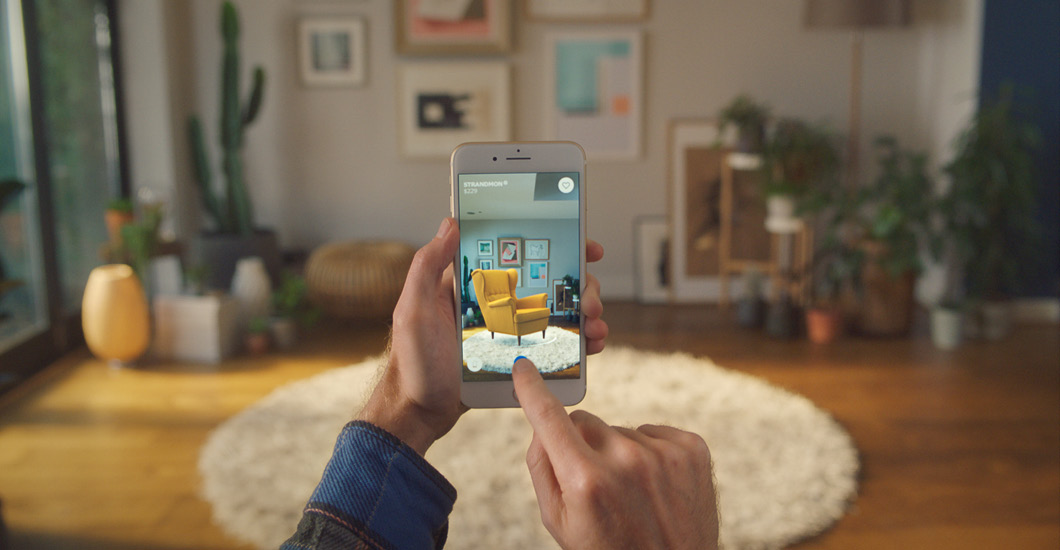
The process begins with environmental mapping, where the device scans its surroundings to create a spatial map. This map helps AR systems understand surfaces, distances, and objects, allowing digital content to interact seamlessly with the physical world. For example, an AR furniture app like IKEA Place uses your device’s camera to map your room and place virtual furniture within it, ensuring accurate scaling and placement.
Another critical aspect is object recognition, powered by machine learning and computer vision. Apps like Google Lens or Snapchat’s AR filters can identify objects, faces, or even plants, providing relevant information or augmented overlays. For instance, pointing your phone at a landmark might display its history, while scanning a product could show customer reviews or pricing options.
Finally, interactivity is key to making AR feel immersive. Touchscreens, voice commands, and gesture controls allow users to engage with digital content naturally. Some AR systems even incorporate haptic feedback, adding a tactile dimension to the experience. Together, these technologies create a dynamic interface where the digital and physical coexist effortlessly.
AR in Everyday Life: Practical Applications
AR isn’t confined to labs or niche markets—it’s already woven into the fabric of modern life. Here are some of the most impactful ways AR applications are being used today:
Retail and E-Commerce
- Virtual Try-Ons: Apps like Sephora’s Virtual Artist or Snapchat’s AR filters let users try makeup, glasses, or even hairstyles virtually before making a purchase. This reduces buyer hesitation and increases conversion rates.
- Furniture Placement: Tools like IKEA Place or Houzz’s AR feature allow customers to visualize how furniture will look in their home, saving time and reducing returns.
- Interactive Product Demos: Brands use AR to showcase products in 3D, offering detailed views, animations, or even games that highlight features. For example, Nike’s AR sneaker preview lets users explore shoes from every angle.
Navigation and Travel
- AR Navigation: Google Maps’ Live View uses AR to overlay directional arrows onto the real world, making it easier to navigate unfamiliar places. Instead of looking at a 2D map, users see the path projected onto the street ahead.
- Cultural Exploration: Apps like Wikitude or AR City enhance travel by adding historical context to landmarks. Point your phone at a building, and it might display its architectural style, significant events, or nearby points of interest.
- Airport Assistance: Some airports, like London Heathrow, use AR to guide passengers through terminals, highlighting gates, shops, and amenities in real time.
Education and Training
- Interactive Learning: AR apps like Merge Cube or Human Anatomy Atlas bring textbooks to life. Students can dissect a virtual frog or explore the solar system in 3D, making complex subjects more engaging.
- Vocational Training: Industries like healthcare, aviation, and manufacturing use AR for realistic simulations. Surgeons practice procedures on virtual patients, while mechanics follow AR instructions to repair engines.
- Language Learning: Apps like Word Lens (now part of Google Translate) use AR to translate signs or menus in real time, helping travelers or language learners.
Healthcare
- Surgical Assistance: AR overlays like those provided by Microsoft HoloLens give surgeons real-time data during procedures, such as CT scans or patient vitals, without looking away from the operating table.
- Mental Health Support: Apps like AR Therapy use calming visuals or guided meditations to help users manage anxiety or stress in their environment.
- Rehabilitation: AR-based physical therapy apps create interactive exercises that make recovery more engaging and track progress over time.
Social Media and Communication
- AR Filters and Lenses: Platforms like Snapchat, Instagram, and TikTok have popularized AR filters that add virtual effects to photos and videos. These filters range from playful (animal ears) to brand-sponsored (trying on virtual makeup).
- Virtual Avatars: AR enables real-time digital personas in apps like Zepeto or Bitmoji, where users interact with each other’s avatars in shared spaces.
- Remote Collaboration: Tools like Microsoft Mesh or Spatial use AR to create shared virtual workspaces, allowing teams to collaborate as if they were in the same room.
The Societal Impact: Changing How We See the World
AR isn’t just a technological marvel—it’s reshaping human behavior, culture, and even our perception of reality. By blending digital information into our physical surroundings, AR applications are altering how we learn, shop, work, and socialize. This shift raises important questions about privacy, accessibility, and the ethical implications of augmented experiences.
One of the most significant impacts is democratizing access to information. AR can provide instant context, whether it’s translating a foreign language menu, identifying a plant species, or explaining a complex scientific concept. For people with disabilities, AR offers new ways to interact with the world—for example, apps that read text aloud or highlight objects for visually impaired users.
However, AR also introduces privacy concerns. As AR systems gather environmental data, there’s a risk of misuse, such as location tracking or unauthorized surveillance. Companies must prioritize transparency and user control to prevent exploitation. Additionally, the digital divide remains a challenge—while AR is becoming more accessible, not everyone has the devices or internet connectivity to benefit from it.
On a cultural level, AR is redefining storytelling and entertainment. Filmmakers like Steven Spielberg and companies like Netflix are experimenting with AR to create interactive narratives where viewers influence the plot. Museums are using AR to bring ancient artifacts to life, while musicians like Travis Scott have hosted virtual concerts in games like Fortnite, blending the physical and digital concert experiences.
Moreover, AR is fostering new forms of social interaction. In a world where remote work and virtual communication are common, AR offers a middle ground—bringing people together in shared augmented spaces. This could revolutionize remote teamwork, education, and even dating, where digital avatars represent users in real time.
The Future of AR: What’s Next?
The potential of AR is only beginning to unfold. As technology advances, we can expect even more seamless integrations between the digital and physical worlds. Here are some exciting trends and innovations on the horizon:
Hardware Advancements
- AR Glasses: Companies like Apple (Vision Pro), Meta (Ray-Ban Stories), and Magic Leap are developing lightweight, stylish AR glasses that overlay digital content without obstructing vision. These devices could eventually replace smartphones for many tasks.
- Haptic Feedback: Future AR systems may incorporate advanced haptics to simulate touch, allowing users to “feel” virtual objects or textures. This could revolutionize training simulations and gaming.
- Brain-Computer Interfaces (BCIs): Neural interfaces like Neuralink could one day enable direct interaction with AR systems using thoughts, eliminating the need for physical controls.
Enhanced AI and Personalization
- Context-Aware AR: AI will make AR systems smarter by understanding user intent and adapting content in real time. For example, an AR navigation app might recognize you’re late for a meeting and suggest the fastest route.
- Emotion Recognition: AR could analyze facial expressions or voice tones to tailor responses, such as adjusting a virtual tutor’s teaching style based on a student’s engagement.
- Predictive Overlays: AR might anticipate your needs before you act—for instance, showing a discount coupon when you pause in front of a store display.
Industry-Specific Innovations
- Healthcare: AR could enable real-time diagnostics by overlaying a patient’s vitals or potential conditions during a doctor’s visit. Imagine pointing your phone at someone, and it highlights areas of concern like a virtual triage system.
- Construction and Architecture: AR will allow architects to walk through virtual buildings before they’re built, and construction workers to see underground utilities through their AR glasses.
- Fashion and Beauty: Virtual fashion shows and AI-powered style assistants could let users “try on” entire outfits or experiment with new looks digitally before purchasing.
Ethical and Regulatory Developments
- Data Privacy Laws: Governments will need to establish clear guidelines on how AR data is collected, stored, and used to prevent misuse.
- Digital Content Moderation: As AR becomes more social, platforms will need to address issues like harassment in virtual spaces or deepfake AR content.
- Accessibility Standards: Ensuring AR applications are inclusive for users with disabilities will be crucial. This includes features like voice commands, text-to-speech, and customizable interfaces.
Challenges and Considerations
While AR holds immense promise, it’s not without hurdles. Technical challenges, such as battery life, latency, and accurate environmental mapping, still need refinement. For instance, AR glasses must be lightweight and comfortable for extended use, while current devices often suffer from overheating or short battery life.
Another challenge is user adoption. Many people still associate AR with gimmicks or limited utility. To overcome this, developers must focus on creating genuinely useful applications that solve real problems, rather than just flashy novelties. Education and awareness will also play a role in helping the public understand AR’s potential.
Finally, the cost of entry remains a barrier for many. High-end AR devices like the Apple Vision Pro are expensive, limiting accessibility. However, as technology matures and production scales, prices are likely to drop, making AR more inclusive.
Conclusion: A World Where Digital and Physical Coexist
Augmented reality is more than a technological trend—it’s a paradigm shift in how we interact with the world. By overlaying digital information onto our physical environment, AR applications are unlocking new possibilities in education, healthcare, retail, and beyond. As hardware improves and AI becomes more sophisticated, the line between the digital and physical will continue to blur, creating a world where reality is enhanced, not replaced.
For businesses, embracing AR means staying ahead of the curve in customer engagement and operational efficiency. For individuals, it offers tools to learn, create, and connect in ways previously unimaginable. And for society, AR has the potential to bridge gaps, democratize knowledge, and foster innovation.
The future of AR isn’t just about seeing the world differently—it’s about making the world work better for everyone. As we stand on the brink of this augmented reality revolution, one thing is clear: the digital and physical worlds are no longer separate. They’re merging into a single, dynamic experience, and the possibilities are limitless.