Unlocking Insights: The Ultimate Guide to Big Data Tools Transforming Industries
Introduction & Background
In today’s data-driven world, organizations across every sector are harnessing the power of big data to drive innovation, efficiency, and growth. The explosion of digital information has created unprecedented opportunities, yet it has also introduced complex challenges in processing, analyzing, and extracting meaningful insights from vast datasets. As industries evolve, the demand for advanced big data tools has never been greater. These tools not only simplify data management but also empower businesses to make informed decisions, predict trends, and stay ahead of the competition. Understanding the role and capabilities of these tools is essential for any professional looking to leverage data effectively in their field.
Concept & Overview
Big data tools encompass a wide range of software solutions designed to handle the three key characteristics of big data: volume, velocity, and variety. Volume refers to the sheer scale of data generated daily, velocity denotes the speed at which data is collected and processed, and variety highlights the different types of data, including structured, semi-structured, and unstructured formats. At their core, these tools provide the infrastructure and analytical capabilities needed to process large datasets efficiently. They enable organizations to clean, store, integrate, and analyze data from multiple sources, transforming raw information into actionable intelligence. From traditional relational databases to cutting-edge machine learning platforms, the big data ecosystem continues to expand, offering more sophisticated ways to extract value from data.
Key Features & Highlights
- Scalability. Big data tools are built to scale horizontally or vertically, allowing organizations to manage increasing data loads without compromising performance. Cloud-based solutions, in particular, offer elastic resources that grow with the business.
- Real-time processing. Many modern tools support real-time data streaming and analytics, enabling organizations to respond to events as they happen. This is crucial for industries like finance, healthcare, and logistics.
- Data integration. These tools provide robust mechanisms to combine data from disparate sources, such as databases, APIs, IoT devices, and social media platforms. Unified data pipelines streamline workflows and improve accuracy.
- Advanced analytics. From predictive modeling to natural language processing, big data platforms incorporate powerful analytical engines that uncover hidden patterns and correlations in data, driving strategic decisions.
- Security & compliance. With data privacy laws becoming stricter, modern tools prioritize encryption, access control, and audit trails to ensure compliance and protect sensitive information.
- User-friendly interfaces. Many tools now offer intuitive dashboards and visualization features, making it easier for non-technical users to explore data and generate reports without deep programming knowledge.
- Cost efficiency. Open-source options and pay-as-you-go models reduce the financial barriers to entry, allowing even small businesses to benefit from big data technologies.
Frequently Asked Questions / Pros & Cons
What are the main benefits of using big data tools?
Big data tools help organizations improve decision-making by providing accurate, timely insights. They enhance operational efficiency, reduce costs by identifying inefficiencies, and enable personalized customer experiences through targeted marketing and service delivery. Additionally, they support innovation by uncovering new business opportunities and trends that were previously invisible.
What industries benefit most from big data tools?
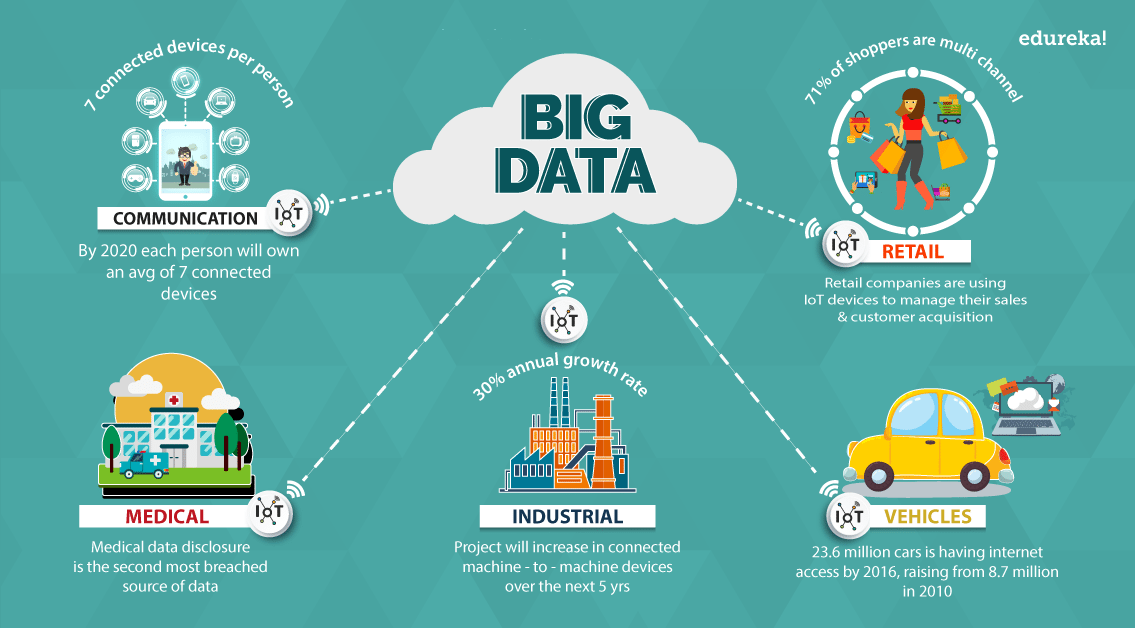
Nearly every industry stands to gain from big data tools. Healthcare uses them for patient monitoring and predictive diagnostics. Retail leverages customer behavior analytics to optimize inventory and pricing. Manufacturing benefits from predictive maintenance and supply chain optimization. Financial services employ fraud detection and risk assessment models. Even government agencies use big data for urban planning, security, and policy development.
What challenges do organizations face when adopting big data tools?
The primary challenges include data quality issues, integration complexities, high implementation costs, and a shortage of skilled professionals. Organizations may also struggle with data silos, where departments work in isolation, preventing a unified view of information. Additionally, concerns about data privacy and regulatory compliance can slow down adoption.
Are open-source big data tools as effective as commercial solutions?
Open-source tools like Apache Hadoop, Spark, and Kafka offer robust features and are widely adopted in enterprise environments. They provide transparency, flexibility, and strong community support. However, commercial solutions often offer better customer support, advanced features, and easier integration with existing systems. The choice depends on the organization’s specific needs, budget, and technical expertise.
How do big data tools improve decision-making?
By processing large volumes of diverse data quickly, these tools identify trends and anomalies that humans might miss. They provide visualizations and predictive models that help leaders understand market dynamics, customer preferences, and operational bottlenecks. With real-time analytics, decisions can be made faster and with greater confidence.
Practical Guidance & Solutions
To successfully implement big data tools, organizations should start by clearly defining their goals and data requirements. Identifying the key questions they want to answer will guide the selection of the right tools. For example, a company focused on customer insights may prioritize tools with strong CRM integration and machine learning capabilities, while a manufacturing firm might need tools that support IoT data and predictive maintenance.
Investing in employee training is equally important. Upskilling teams in data literacy and tool usage ensures that the technology is leveraged effectively. Many platforms offer certification programs and learning resources to help users get up to speed quickly.
When integrating new tools, organizations should adopt a phased approach. Starting with a pilot project allows teams to test the tool’s capabilities, measure its impact, and make adjustments before scaling up. Collaboration between IT, data science, and business units is essential to align technical implementation with strategic objectives.
Data governance should be a priority from the beginning. Establishing clear policies for data collection, storage, and sharing helps maintain quality and compliance. Regular audits and updates to security protocols protect against breaches and ensure regulatory adherence.
Finally, partnering with experienced vendors or consultants can accelerate the adoption process. These experts provide customized solutions, best practices, and ongoing support to maximize the value of big data investments.
Conclusion
Big data tools are more than just technological innovations; they are catalysts for transformation across industries. By enabling organizations to harness the full potential of their data, these tools unlock new opportunities for efficiency, innovation, and growth. As the volume and complexity of data continue to rise, the role of these tools will only become more critical. Whether through open-source platforms or enterprise-grade solutions, businesses that embrace big data today will be better positioned to lead in the data-driven future. The key to success lies not just in adopting the right tools, but in cultivating a culture that values data-driven decision-making and continuous learning. The journey to unlocking insights begins with understanding these powerful technologies and applying them strategically to meet the challenges of tomorrow.