Introduction & Background
In today’s digital age, technology evolves at a breathtaking pace, reshaping the way we live, work, and interact with the world. One of the most transformative innovations of the 21st century is cloud computing, a paradigm shift that has redefined the boundaries of data storage, processing, and accessibility. From small startups to global enterprises, organizations are harnessing the power of the cloud to streamline operations, reduce costs, and foster innovation. But what exactly is cloud computing, and why has it become such a cornerstone of modern technology? This article explores the wonders of cloud computing, tracing its origins, understanding its core principles, and uncovering the myriad ways it continues to shape our digital future.
Cloud computing emerged as a response to the growing demands of businesses and individuals for scalable, flexible, and cost-effective solutions. Before its advent, companies often relied on physical servers and infrastructure, which required substantial capital investment and maintenance. These limitations stifled agility and innovation, particularly for smaller enterprises. The introduction of cloud computing changed the game by offering on-demand access to computing resources over the internet, eliminating the need for costly hardware and enabling seamless collaboration. Today, cloud computing powers everything from streaming services and social media platforms to artificial intelligence and big data analytics, making it an indispensable part of our interconnected world.
Concept & Overview
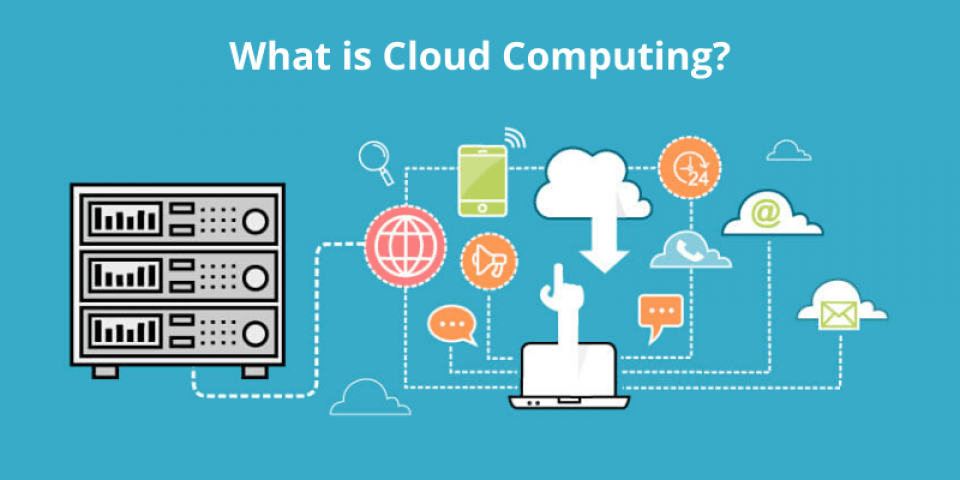
At its core, cloud computing refers to the delivery of computing services, such as storage, processing power, databases, networking, software, and analytics, over the internet, often referred to as “the cloud.” Instead of owning and maintaining physical data centers or servers, users can rent access to these resources from cloud service providers on a pay-as-you-go basis. This model allows businesses and individuals to scale their operations up or down based on demand, without the burden of managing underlying infrastructure.
The concept of cloud computing is rooted in the idea of resource pooling and virtualization. Cloud providers use advanced technologies to abstract physical hardware, creating virtual machines and storage systems that can be dynamically allocated to users. This not only maximizes efficiency but also ensures high availability and reliability. Additionally, cloud computing operates on a shared responsibility model, where the provider manages the infrastructure, security, and maintenance, while the user focuses on utilizing the services to meet their specific needs.
Cloud computing is typically categorized into three main service models: Infrastructure as a Service (IaaS), Platform as a Service (PaaS), and Software as a Service (SaaS). Each model caters to different requirements, offering varying levels of control, flexibility, and management. Understanding these models is essential for businesses and individuals looking to leverage the cloud effectively. Furthermore, cloud deployment models, such as public, private, hybrid, and multi-cloud, provide additional options to tailor the cloud environment to specific organizational needs.
Key Features & Highlights
- On-Demand Self-Service: Users can provision computing resources automatically without requiring human intervention from the service provider. This empowers businesses to respond quickly to changing demands and scale their operations efficiently.
- Broad Network Access: Cloud services are accessible over the internet from any device with an internet connection, including smartphones, tablets, and laptops. This ubiquity enables remote work, global collaboration, and seamless access to data and applications.
- Resource Pooling: Cloud providers use multi-tenant architectures to serve multiple customers using shared physical resources. While resources are pooled and dynamically assigned, security and privacy are maintained through isolation and advanced encryption techniques.
- Rapid Elasticity: Cloud resources can be scaled up or down almost instantaneously to match workload requirements. This elasticity ensures that businesses pay only for what they use, optimizing cost efficiency and performance.
- Measured Service: Cloud systems monitor and optimize resource usage by metering services, such as storage, bandwidth, and compute cycles. Users receive detailed reports and billing based on their actual consumption, promoting transparency and accountability.
- High Availability & Reliability: Leading cloud providers operate data centers across multiple geographic locations, ensuring redundancy and minimizing downtime. This high availability is critical for mission-critical applications and services that require 24/7 uptime.
- Security & Compliance: Cloud providers invest heavily in security measures, including firewalls, encryption, identity and access management, and regular audits. Additionally, many providers comply with industry-specific regulations, such as GDPR, HIPAA, and SOC 2, ensuring data protection and legal compliance.
- Cost Efficiency: By eliminating the need for capital expenditure on hardware and reducing operational costs, cloud computing offers significant financial savings. Businesses can shift from a CapEx model to an OpEx model, paying only for the resources they consume.
Frequently Asked Questions / Pros & Cons
What is the primary advantage of using cloud computing for businesses?
The primary advantage of cloud computing for businesses is its ability to enhance scalability and flexibility. Companies can quickly adjust their computing resources based on demand, without the need for large upfront investments in physical infrastructure. This agility allows businesses to innovate faster, respond to market changes, and maintain a competitive edge. Additionally, cloud computing reduces operational costs by eliminating the need for hardware maintenance, upgrades, and energy consumption associated with on-premises data centers.
What are the potential drawbacks of relying on cloud services?
While cloud computing offers numerous benefits, it is not without challenges. One of the primary concerns is data security and privacy, as sensitive information is stored on remote servers managed by third-party providers. Although top providers implement robust security measures, the risk of data breaches or unauthorized access remains a concern for some organizations. Another challenge is vendor lock-in, where businesses become overly dependent on a single cloud provider, making it difficult to migrate to another platform without incurring significant costs or disruptions. Additionally, internet connectivity is a critical dependency, as any disruption in service can impact access to cloud resources.
How does cloud computing support remote work and collaboration?
Cloud computing has revolutionized remote work by enabling employees to access applications, files, and tools from anywhere with an internet connection. Platforms like Google Workspace, Microsoft 365, and Slack leverage the cloud to facilitate real-time collaboration, document sharing, and communication. Teams can work together seamlessly, regardless of their physical location, which has become increasingly important in a post-pandemic world where hybrid and remote work models are the norm. Cloud-based tools also ensure that all team members have access to the latest versions of documents and software updates, reducing version control issues and improving productivity.
What is the difference between public, private, and hybrid cloud?
Public Cloud: Resources are owned and operated by third-party cloud service providers and delivered over the internet to multiple customers. This model is cost-effective and highly scalable but offers less customization and control. Examples include Amazon Web Services (AWS), Microsoft Azure, and Google Cloud Platform.
Private Cloud: Resources are dedicated to a single organization and can be hosted on-premises or by a third-party provider. While this model provides greater control, security, and customization, it requires significant investment in infrastructure and maintenance.
Hybrid Cloud: Combines elements of both public and private clouds, allowing data and applications to be shared between them. This model offers flexibility, enabling businesses to leverage the scalability of the public cloud while keeping sensitive data in a private cloud. Hybrid cloud is ideal for organizations with diverse workloads and compliance requirements.
Practical Guidance & Solutions
Transitioning to cloud computing can seem daunting, especially for businesses accustomed to traditional IT infrastructure. However, with the right strategy and approach, organizations can harness the full potential of the cloud while mitigating risks. Here are some practical steps to guide your cloud adoption journey.
First, conduct a thorough assessment of your organization’s needs and goals. Identify which workloads and applications are best suited for the cloud, and determine whether a public, private, or hybrid model aligns with your requirements. For businesses new to cloud computing, starting with a public cloud solution can provide a cost-effective entry point, while those with stringent security or compliance needs may benefit from a hybrid approach.
Next, choose a reputable cloud service provider that aligns with your business objectives. Consider factors such as pricing, scalability, security features, and customer support. Many providers offer free tiers or trials, allowing you to test their services before committing. Additionally, evaluate the provider’s compliance certifications to ensure they meet industry-specific regulations.
Once you’ve selected a provider, develop a migration strategy. Prioritize applications and data that can be easily moved to the cloud, and consider using cloud-native tools and services to optimize performance. For complex workloads, a phased migration approach can minimize disruption and allow your team to adapt gradually. Invest in training and upskilling your IT staff to ensure they are proficient in managing cloud environments.
Security should be a top priority throughout your cloud journey. Implement robust access controls, encryption, and monitoring tools to protect sensitive data. Regularly audit your cloud environment to identify vulnerabilities and ensure compliance with security best practices. Additionally, consider adopting a cloud governance framework to establish policies and procedures for resource management, cost control, and risk mitigation.
Finally, monitor and optimize your cloud usage to maximize efficiency and cost savings. Utilize cloud management tools to track resource consumption, identify underutilized services, and eliminate unnecessary expenses. Regularly review your cloud strategy to ensure it continues to align with your business objectives and adapt to evolving technology trends.
Conclusion
Cloud computing has undeniably transformed the way we interact with technology, offering unparalleled flexibility, scalability, and innovation. From its humble beginnings to becoming the backbone of modern digital infrastructure, the cloud has empowered businesses of all sizes to compete on a global scale. Its ability to democratize access to advanced computing resources has leveled the playing field, enabling startups to challenge industry giants and individuals to turn ideas into reality.
As we look to the future, the possibilities of cloud computing are boundless. Emerging technologies like artificial intelligence, machine learning, and the Internet of Things (IoT) are increasingly reliant on cloud infrastructure to deliver intelligent solutions. The integration of edge computing further extends the cloud’s reach, enabling real-time data processing and reducing latency for critical applications. With advancements in security and sustainability, the cloud is poised to become even more robust and eco-friendly, aligning with the growing demand for responsible technology.
For businesses and individuals alike, the message is clear. The sky is no longer the limit, thanks to the transformative power of cloud computing. By embracing this technology and staying informed about its evolving capabilities, we can unlock new opportunities, drive innovation, and shape a smarter, more connected future. Whether you are a seasoned IT professional or a curious newcomer, the cloud offers a world of possibilities waiting to be explored.