Unlocking the Power of Edge Computing: Smarter, Faster, and Closer Than You Think
Imagine a world where data doesn’t have to travel halfway across the globe just to get processed. Where real-time decisions are made in the blink of an eye, without the delay of sending information to a distant cloud server. This isn’t science fiction—it’s the reality of edge computing, a transformative technology that’s reshaping how businesses, industries, and even everyday devices operate. As the digital landscape evolves, edge computing stands at the forefront, offering speed, efficiency, and intelligence closer to where data is generated. In this article, we’ll explore what edge computing is, why it matters, and how it’s unlocking new possibilities across sectors.
What Is Edge Computing?
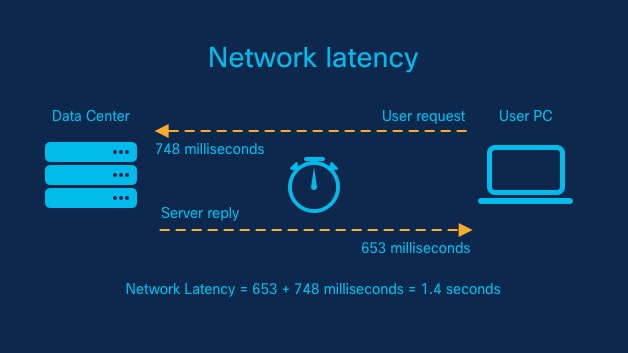
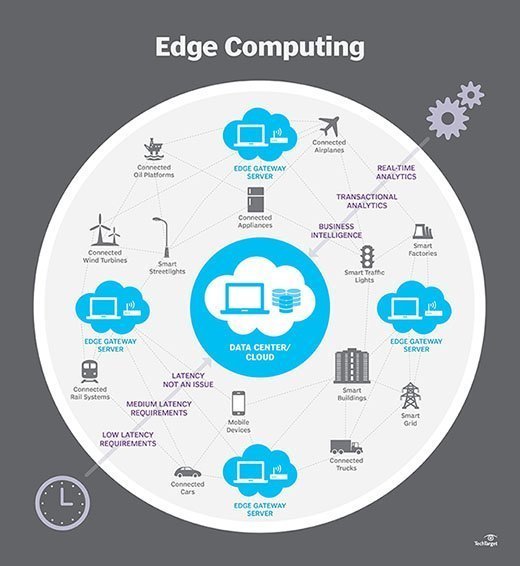
Edge computing is a distributed computing paradigm that brings computation and data storage closer to the sources of data, such as IoT devices, sensors, or local servers. Unlike traditional cloud computing, where data is sent to a centralized data center for processing, edge computing processes data locally or at nearby edge servers. This reduces latency, improves response times, and enhances the overall efficiency of applications that rely on real-time data.
The concept of “edge” refers to the geographical or logical boundary between where data is produced and where it’s processed. By moving computation to the edge, organizations can minimize the need to transfer large volumes of raw data to the cloud, reducing bandwidth usage and operational costs. This is particularly critical for applications requiring instant decision-making, such as autonomous vehicles, industrial automation, and smart city infrastructure.
Why Edge Computing Matters More Than Ever
The rise of the Internet of Things (IoT) has led to an explosion of connected devices generating vast amounts of data. Traditional cloud models struggle to handle this scale efficiently, leading to bottlenecks, higher latency, and increased costs. Edge computing addresses these challenges by decentralizing processing power and enabling smarter, faster, and more secure data handling.
Here are a few key reasons why edge computing is gaining traction:
- Lower Latency: Critical for applications like augmented reality, real-time video analytics, and remote surgery, where even milliseconds of delay can have serious consequences.
- Bandwidth Efficiency: By processing data locally, edge computing reduces the amount of data that needs to be sent to the cloud, lowering network congestion and costs.
- Enhanced Security and Privacy: Sensitive data can be processed and filtered at the edge, reducing exposure during transmission and complying with strict data regulations.
- Scalability: Edge architectures allow organizations to scale computing resources horizontally, adding more edge nodes without overloading a central system.
- Reliability: In remote or unstable network environments (e.g., offshore oil rigs, military operations), edge computing ensures continued operation even when cloud connectivity is unavailable.
The Core Components of an Edge Computing Architecture
An effective edge computing system isn’t just about moving servers closer to devices—it’s about creating a smart, responsive, and resilient ecosystem. Here are the key components that make up an edge computing architecture:
- Edge Devices: These include IoT sensors, cameras, smartphones, drones, and industrial machines that generate data. They often have limited processing power but are essential data sources.
- Edge Servers: Local or regional servers positioned near data sources. These can be micro data centers, small-scale cloud servers, or even ruggedized hardware designed for harsh environments.
- Gateways: Serve as intermediaries between edge devices and central systems, often handling protocol translation, data filtering, and initial processing.
- Edge Software Platforms: Platforms like Kubernetes for container orchestration, edge-specific operating systems, and AI/ML frameworks enable deployment and management of applications at the edge.
- Network Infrastructure: Includes 5G networks, Wi-Fi 6, fiber optics, and mesh networks that support high-speed, low-latency communication between edge nodes.
Together, these components create a distributed network capable of intelligent, localized decision-making without relying solely on the cloud.
Real-World Applications of Edge Computing
The potential of edge computing extends across nearly every industry. Let’s look at some of the most impactful applications currently in use or development:
Smart Cities and Infrastructure
Cities are using edge computing to enhance public safety, traffic management, and energy efficiency. For example, smart traffic lights equipped with edge AI can analyze vehicle and pedestrian patterns in real time, adjusting signals to reduce congestion and accidents. Environmental sensors at the edge monitor air quality and noise levels, triggering alerts when thresholds are exceeded.
Manufacturing and Industry 4.0
In smart factories, edge computing enables predictive maintenance by analyzing sensor data from machines on the production line. Issues like vibrations, temperature fluctuations, or wear-and-tear can be detected early, preventing costly downtime. Robotics and autonomous guided vehicles (AGVs) use edge processing to navigate warehouses and assembly lines with precision.
Healthcare and Telemedicine
Edge computing is revolutionizing healthcare by enabling faster diagnostics and remote monitoring. Wearable devices with edge AI can detect irregular heart rhythms and alert medical professionals without sending data to a distant server. In hospitals, edge-enabled imaging systems analyze MRI and X-ray scans in real time, supporting faster decision-making for critical care.
Autonomous Vehicles and Transportation
Self-driving cars rely on edge computing to process data from cameras, LiDAR, and radar in real time. By analyzing surroundings locally, vehicles can make split-second decisions—avoiding collisions, navigating intersections, and adhering to traffic rules—without waiting for cloud-based instructions. This dramatically improves safety and responsiveness.
Retail and Customer Experience
Retailers use edge AI to personalize shopping experiences and optimize operations. Smart shelves with embedded sensors track inventory levels and customer behavior in real time. Facial recognition and behavior analytics at the edge help stores tailor promotions and improve customer service. Point-of-sale systems with edge processing reduce fraud by verifying transactions locally.
Overcoming Challenges in Edge Computing Adoption
While edge computing offers compelling benefits, its implementation isn’t without challenges. Organizations must address several key hurdles to fully unlock its potential:
- Security Risks: Edge devices are often distributed and less secure than centralized data centers. Each endpoint becomes a potential attack vector. Solutions include device authentication, encryption, and zero-trust security models.
- Standardization and Interoperability: With diverse devices and platforms, ensuring seamless communication and management is complex. Open standards like OPC UA, MQTT, and industry alliances like the Linux Foundation’s LF Edge are working to solve this.
- Resource Constraints: Many edge devices have limited processing power, memory, and energy. Lightweight operating systems, edge-optimized AI models (e.g., TinyML), and energy-efficient hardware help mitigate these limitations.
- Management and Monitoring: Managing a distributed system of edge nodes can be complex. Advanced monitoring tools, AI-driven analytics, and centralized orchestration platforms are essential for visibility and control.
- Data Governance and Compliance: Processing data at the edge can complicate compliance with regulations like GDPR or HIPAA, especially when data crosses jurisdictions. Organizations must implement clear data policies and audit trails.
Looking Ahead: The Future of Edge Computing
As 5G networks expand, AI models become more compact, and IoT ecosystems grow, edge computing is poised for exponential growth. Industry analysts predict that the global edge computing market will reach over $43 billion by 2027, driven by demand for real-time processing across industries.
Emerging trends include:
- AI at the Edge: The convergence of edge computing and artificial intelligence is enabling “edge AI”—where machine learning models run on local devices, reducing cloud dependency and enabling smarter automation.
- Hybrid Cloud-Edge Models: Organizations are increasingly adopting hybrid architectures that combine the scalability of the cloud with the speed and efficiency of edge computing, creating a balanced, resilient infrastructure.
- Sustainability Initiatives: Edge computing can reduce the carbon footprint of data processing by minimizing long-distance data transfers. Green data centers and energy-efficient edge devices are becoming more prevalent.
- 5G and Beyond: The rollout of 5G networks will supercharge edge computing by providing ultra-low latency, high bandwidth, and reliable connectivity—essential for mission-critical applications.
Getting Started with Edge Computing
For businesses considering edge computing, the journey begins with a clear strategy. Here are practical steps to begin adoption:
- Assess Your Needs: Identify use cases where low latency, high reliability, or bandwidth efficiency will deliver the most value—such as real-time analytics, automation, or remote monitoring.
- Choose the Right Architecture: Decide whether to deploy edge servers, use edge gateways, or leverage containerized applications on devices. Consider hybrid cloud-edge models for flexibility.
- Invest in Security: Implement robust encryption, authentication, and access controls. Use secure boot mechanisms and regular firmware updates for edge devices.
- Leverage Edge-Optimized Tools: Platforms like AWS IoT Greengrass, Azure IoT Edge, Google Coral, and open-source solutions like K3s (lightweight Kubernetes) simplify edge deployment and management.
- Start Small and Scale: Pilot projects in a single facility or use case can demonstrate value before expanding. Monitor performance, security, and ROI closely.
Conclusion: The Edge Is Here to Stay
Edge computing isn’t just a technological trend—it’s a fundamental shift in how we process and act on data. By bringing intelligence closer to the source, it enables faster, smarter, and more secure systems that can adapt in real time. From saving lives in hospitals to optimizing global supply chains, edge computing is already transforming industries and will continue to do so as technology advances.
As we move toward an increasingly connected world, the organizations that embrace edge computing will gain a competitive edge—literally. The future isn’t just in the cloud; it’s at the edge, where data meets action, instantly and intelligently. The time to unlock its power is now.