Introduction & Background
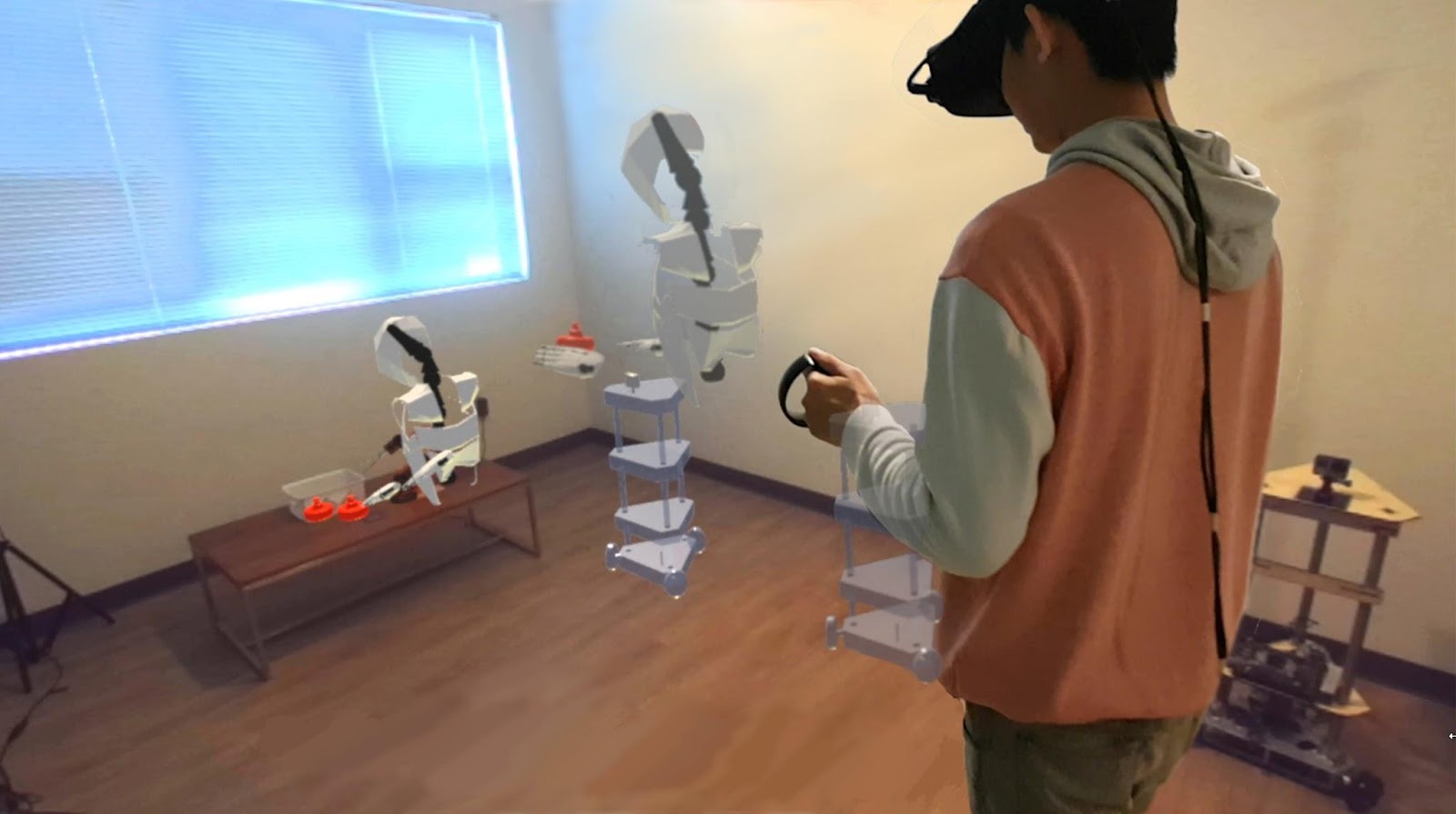
Augmented reality (AR) has rapidly evolved from a futuristic concept to a transformative force reshaping how we interact with the world. As digital and physical realities merge seamlessly, AR is no longer confined to gaming or niche applications. It now permeates education, healthcare, retail, manufacturing, and everyday communication. The significance of AR lies in its ability to enhance human perception by overlaying digital information onto the real world, making complex data more accessible and interactive. With advancements in smartphone technology, wearable devices, and artificial intelligence, AR is becoming an integral part of modern life, bridging gaps between imagination and reality.
Historically, AR traces its roots to the mid-20th century, but it gained mainstream attention in the 1990s with innovations like virtual fixtures for aircraft maintenance. Today, tech giants such as Apple, Google, and Microsoft are investing heavily in AR development, propelling its adoption across industries. The COVID-19 pandemic further accelerated AR’s growth, as remote collaboration and virtual experiences became essential. As we stand on the brink of a new era, AR is not just a tool for entertainment. It is a catalyst for innovation, redefining how we learn, work, and connect with our surroundings.
Concept & Overview
At its core, augmented reality refers to the integration of digital elements, such as images, sounds, or text, into the user’s real-world environment in real time. Unlike virtual reality (VR), which immerses users in a completely digital world, AR enhances the physical world by adding layers of information. This is typically achieved through cameras, sensors, and advanced algorithms that analyze the environment and overlay relevant data. For example, pointing a smartphone at a historic landmark might display historical facts, while AR glasses could guide a surgeon by highlighting critical anatomical structures during an operation.
The technology relies on several key components: input devices (like cameras and sensors), processing units (such as smartphones or AR glasses), and display systems (ranging from screens to holographic projectors). Machine learning and computer vision play pivotal roles in enabling AR systems to recognize objects, understand spatial relationships, and provide contextually relevant information. Whether through marker-based AR (which uses visual markers to trigger digital content) or markerless AR (which relies on GPS, accelerometers, and AI to place digital objects), the goal remains consistent: to blend the digital and physical worlds in a way that feels natural and intuitive.
Key Features & Highlights
- Real-Time Interaction: AR enables users to interact with digital content as it happens, creating dynamic experiences that respond to movements and inputs. This is evident in applications like Pokémon GO, where virtual creatures appear in real-world settings.
- Spatial Awareness: Advanced AR systems use depth sensors and cameras to understand the 3D environment, allowing digital objects to be placed realistically within the user’s space.
- Contextual Information: AR provides on-demand information tailored to the user’s surroundings. For instance, a repair technician can see step-by-step instructions overlaid on a malfunctioning machine.
- Accessibility: With the ubiquity of smartphones, AR is accessible to millions without requiring specialized hardware. Apps like Google Lens and IKEA Place demonstrate how AR can be used by anyone with a compatible device.
- Multi-Sensory Integration: Modern AR is not limited to visuals. It incorporates audio cues, haptic feedback, and even olfactory elements in some experimental applications, enhancing immersion.
- Cross-Platform Compatibility: AR experiences can be deployed across multiple devices, from smartphones and tablets to AR glasses and smart mirrors, ensuring flexibility in how users engage with the technology.
Frequently Asked Questions / Pros & Cons
What are the main applications of augmented reality today?
The versatility of AR has led to its adoption in numerous fields:
- Retail & E-Commerce: Virtual try-ons for clothing, makeup, and furniture allow customers to visualize products before purchasing.
- Education: Interactive AR textbooks and 3D models help students grasp complex concepts in subjects like anatomy, astronomy, and history.
- Healthcare: Surgeons use AR to overlay medical imaging during procedures, while AR-based therapy assists in patient rehabilitation and mental health treatments.
- Manufacturing & Logistics: AR-guided assembly lines and warehouse picking systems improve efficiency and reduce errors.
- Navigation & Tourism: AR enhances travel experiences by providing real-time directions, historical insights, and language translations.
What are the limitations of augmented reality?
Despite its potential, AR faces several challenges:
- Hardware Constraints: While smartphones support basic AR, high-end experiences often require expensive wearables like Microsoft HoloLens or Magic Leap, limiting widespread adoption.
- Battery Life & Performance: AR applications demand significant processing power, which can drain device batteries quickly and lead to overheating.
- Privacy Concerns: AR systems that rely on cameras and sensors raise questions about data collection, surveillance, and how personal information is used.
- User Experience Issues: Motion sickness, lag, and inaccurate object placement can disrupt immersion and reduce the effectiveness of AR experiences.
- Content Development Costs: Creating high-quality AR content is time-consuming and requires specialized skills, making it inaccessible for small businesses or individual creators.
Is augmented reality the same as virtual reality?
No, augmented reality and virtual reality serve different purposes. VR creates a fully immersive digital environment that replaces the real world, while AR enhances the real world by adding digital elements. VR is ideal for gaming, training simulations, and virtual tours, whereas AR excels in real-time assistance, education, and interactive marketing. Some technologies, like mixed reality (MR), blend both concepts by anchoring digital objects to the physical world and allowing interaction with them.
How is AI integrated with AR?
Artificial intelligence enhances AR in several ways:
- Object Recognition: AI algorithms identify objects, faces, and environments, enabling AR systems to overlay relevant information accurately.
- Natural Language Processing (NLP): AI-powered voice assistants interpret user commands, allowing hands-free interaction with AR applications.
- Predictive Analytics: AI anticipates user needs by analyzing behavior patterns, such as suggesting products based on past interactions in AR retail apps.
- Generative AI: Tools like DALL-E and Stable Diffusion are being integrated with AR to create dynamic, personalized digital content on the fly.
Practical Guidance & Solutions
For individuals and businesses looking to leverage AR, here are actionable steps to ensure successful implementation:
For Consumers:
- Start with Accessible Tools: Begin with smartphone-based AR apps like Snapchat filters, Google Lens, or IKEA Place to familiarize yourself with the technology.
- Invest in AR Wearables: If you’re a professional or enthusiast, consider investing in AR glasses like the Apple Vision Pro or Meta Ray-Ban glasses for hands-free experiences.
- Explore AR in Education: Use AR apps to enhance learning, such as the Human Anatomy Atlas for medical students or the AR Solar System for astronomy enthusiasts.
- Be Mindful of Privacy: Review the permissions required by AR apps, especially those accessing your camera or location data, to protect your personal information.
For Businesses:
- Identify Use Cases: Determine how AR can address specific challenges in your industry, whether it’s improving customer engagement, training employees, or streamlining operations.
- Collaborate with AR Developers: Partner with AR development studios or use platforms like Unity and ARKit/ARCore to create custom AR solutions tailored to your needs.
- Prioritize User Experience: Ensure your AR application is intuitive, responsive, and provides clear value to users. Test extensively to minimize lag and motion sickness.
- Leverage Cloud-Based AR: For scalability, consider cloud-based AR solutions that reduce the processing load on devices and enable real-time updates.
- Monitor Trends & Innovations: Stay updated on emerging AR technologies, such as spatial computing and haptic feedback, to remain competitive in your sector.
For Developers:
- Learn AR Development Tools: Master platforms like ARKit for iOS, ARCore for Android, and Unity for creating interactive AR experiences.
- Focus on Performance Optimization: Optimize 3D models, textures, and algorithms to ensure smooth AR experiences across various devices.
- Experiment with AI Integration: Incorporate AI models for object detection, natural language processing, or generative content to enhance AR applications.
- Engage with the Community: Join AR development forums, attend hackathons, and contribute to open-source AR projects to gain insights and collaboration opportunities.
Conclusion
Augmented reality is no longer a distant dream but a tangible reality that is reshaping our world in profound ways. From enhancing education and revolutionizing healthcare to transforming retail and redefining social interactions, AR is unlocking new possibilities that were once confined to science fiction. As technology continues to advance, the line between the digital and physical realms will blur even further, creating experiences that are more immersive, intuitive, and personalized.
The journey of AR is just beginning, and its potential is limited only by our imagination. Whether you’re a consumer exploring AR for entertainment, a business integrating AR into operations, or a developer crafting the next groundbreaking application, the opportunities are endless. By embracing AR today, we are not just adopting a new tool. We are stepping into a future where the boundaries of reality are constantly expanding, and the only limit is our creativity. The digital and physical worlds are merging, and augmented reality is leading the charge toward a smarter, more connected, and more interactive tomorrow.