Introduction & Background
In an era where digital threats evolve as swiftly as technology itself, the need for robust cybersecurity measures has never been more critical. The modern digital frontier is a vast and interconnected landscape, home to sensitive data, financial transactions, and personal communications. Yet, this very connectivity also exposes vulnerabilities that malicious actors are quick to exploit. From ransomware attacks crippling businesses to data breaches exposing millions of users, the stakes are higher than ever. This growing threat landscape underscores the importance of fortifying our digital defenses, ensuring that the guardians at the edge of our networks remain vigilant and resilient. Without proactive measures, the consequences of a breach can extend far beyond immediate financial loss, damaging reputations and eroding trust in digital systems for years to come.
Concept & Overview
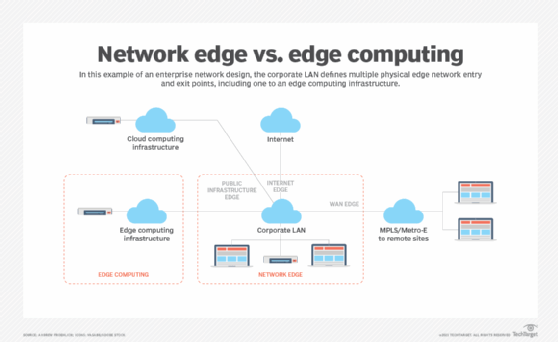
The concept of “Guardians at the Edge” refers to the proactive strategies and technologies deployed to protect the perimeter of digital networks from unauthorized access and cyber threats. At its core, this approach emphasizes the need for a multi-layered security framework that acts as a shield against potential intrusions. Unlike traditional security models that focus solely on perimeter defenses, modern guardians operate at every layer of the network, from endpoints to cloud services. Key principles include continuous monitoring, real-time threat detection, and adaptive responses to evolving risks. By integrating advanced tools such as firewalls, intrusion detection systems, and encryption, organizations can create a dynamic defense mechanism that not only blocks attacks but also learns from them. The goal is to create a digital environment where security is not just an afterthought but a foundational pillar of all operations.
Key Features & Highlights
- Advanced Threat Detection: Utilizes artificial intelligence and machine learning to identify and neutralize threats before they breach the network. These systems analyze patterns and anomalies, providing early warnings of potential attacks.
- Multi-Factor Authentication (MFA): Adds an extra layer of security by requiring users to verify their identity through multiple methods, such as passwords combined with biometric scans or one-time codes.
- Zero Trust Architecture: Operates on the principle of “never trust, always verify,” ensuring that every access request is thoroughly vetted, regardless of its origin within or outside the network.
- Endpoint Security: Protects individual devices such as laptops, smartphones, and IoT gadgets from malware and unauthorized access, often through automated updates and real-time scanning.
- Data Encryption: Secures sensitive information by converting it into unreadable formats, accessible only to those with the proper decryption keys. This is vital for protecting data both in transit and at rest.
- Incident Response Planning: Prepares organizations to react swiftly and effectively to security breaches, minimizing damage and reducing recovery time through predefined protocols and drills.
Frequently Asked Questions / Pros & Cons
What are the biggest cybersecurity threats in 2024?
Some of the most pressing threats include phishing attacks that exploit human error, ransomware that encrypts critical data for ransom, supply chain attacks that target third-party vendors, and AI-driven attacks that automate and refine malicious activities. Additionally, the rise of deepfake technology poses new risks for identity theft and misinformation campaigns.
How does Zero Trust differ from traditional security models?
Traditional security models often rely on a perimeter-based approach, assuming that once inside the network, users and devices are inherently trustworthy. Zero Trust, however, rejects this assumption entirely. It requires continuous verification of every access request, regardless of where it originates. This means that even internal users must authenticate their identity and permissions for each action, reducing the risk of lateral movement by attackers who have breached the network.
What are the pros and cons of implementing MFA?
Pros: MFA significantly enhances security by adding an extra layer of protection beyond just passwords. It reduces the likelihood of unauthorized access, even if a password is compromised. Studies show that MFA can block up to 99.9 percent of automated attacks.
Cons: The primary drawback is user inconvenience. Additional authentication steps can slow down access to systems, and some users may find the process cumbersome. There is also a risk of dependency on secondary devices, such as smartphones, which can introduce vulnerabilities if lost or stolen. Organizations must balance security with usability to ensure adoption without frustration.
Practical Guidance & Solutions
Fortifying your digital frontier begins with a clear understanding of your organization’s unique vulnerabilities. Start by conducting a comprehensive risk assessment to identify critical assets, potential threats, and existing gaps in your security posture. Once you have a detailed map of your digital landscape, prioritize the implementation of advanced threat detection tools. These systems should be configured to provide real-time alerts, allowing your security team to respond swiftly to emerging threats.
Next, integrate Multi-Factor Authentication across all user accounts and systems. While this may require initial training for employees, the long-term benefits far outweigh the temporary inconvenience. Consider adopting a phased approach, starting with high-risk accounts or sensitive systems, and gradually expanding MFA to the rest of the organization. Additionally, adopt a Zero Trust framework by segmenting your network and enforcing strict access controls. This minimizes the potential damage from a breach by limiting an attacker’s ability to move laterally within your systems.
Regularly update and patch all software and hardware to address known vulnerabilities. Cybercriminals often exploit outdated systems, so maintaining up-to-date defenses is crucial. Furthermore, invest in comprehensive employee training programs to raise awareness about common cyber threats, such as phishing and social engineering attacks. Simulated phishing exercises can help reinforce best practices and reduce the likelihood of human error.
Finally, develop and test an incident response plan. This should include clear procedures for containing breaches, communicating with stakeholders, and restoring normal operations. Regularly review and update this plan to account for new threats and lessons learned from past incidents. By taking these steps, you can create a robust security framework that adapts to the evolving threat landscape and safeguards your digital frontier.
Conclusion
The digital frontier is constantly shifting, and with it, the tactics of those who seek to exploit it. In this high-stakes environment, passive defense strategies are no longer sufficient. Organizations must evolve from reactive measures to proactive guardianship, anticipating threats before they materialize and responding with precision when they do. Fortifying your digital frontier is not a one-time project but an ongoing commitment to vigilance, innovation, and resilience. By embracing advanced technologies, fostering a culture of security awareness, and maintaining a dynamic defense strategy, you can protect not only your data but also the trust of those who rely on your systems. The guardians at the edge are not just tools or technologies; they are the embodiment of an organization’s dedication to safeguarding its digital future. In the relentless battle against cyber threats, preparation and adaptability are your strongest allies.