Introduction & Background
The pace of technological transformation is accelerating at an unprecedented rate, reshaping industries and redefining the boundaries of innovation. At the heart of this revolution lies decentralized innovation, a paradigm shift that empowers individuals, communities, and businesses to collaborate and create without traditional gatekeepers. Blockchain technology, originally designed to underpin cryptocurrencies like Bitcoin, has evolved into a foundational layer for building trustless, transparent, and secure systems. This evolution is not just technical, but societal, as it democratizes access to tools and resources that were once confined to centralized institutions.
Decentralized innovation thrives on the principles of openness, interoperability, and user sovereignty, allowing developers, entrepreneurs, and creators to experiment freely. As we stand on the cusp of a new era, blockchain development emerges as a catalyst for this transformation, enabling the creation of decentralized applications (dApps), smart contracts, and autonomous organizations. The significance of this shift cannot be overstated, as it promises to unlock economic opportunities for billions of unbanked individuals, streamline global supply chains, and redefine governance through decentralized autonomous systems.
Concept & Overview
At its core, decentralized innovation refers to the process of creating value through collaborative, open-source, and permissionless systems that operate without a central authority. Blockchain development serves as the backbone of this movement, providing the infrastructure needed to build applications that are secure, transparent, and resistant to censorship. Unlike traditional software development, which relies on centralized servers and intermediaries, decentralized applications run on distributed networks where data is stored across multiple nodes, ensuring immutability and integrity.
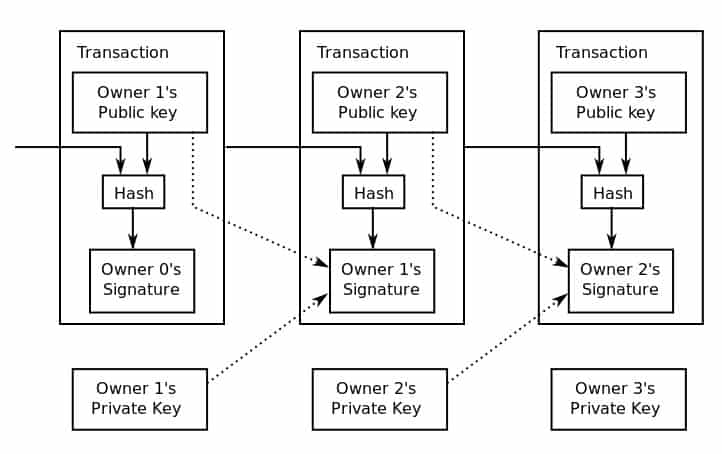
Blockchain technology operates on the principles of cryptographic verification and consensus mechanisms, such as Proof of Work (PoW) or Proof of Stake (PoS). These mechanisms ensure that transactions and operations are validated by a decentralized network of participants, eliminating the need for trusted third parties. Smart contracts, self-executing agreements written in code, further enhance this framework by automating processes and reducing human error. Together, these technologies form the bedrock of decentralized innovation, enabling developers to build solutions that are not only efficient but also inclusive and resilient.
Key Features & Highlights
- Trustless Systems: Blockchain eliminates the need for intermediaries by enabling peer-to-peer transactions and interactions, reducing reliance on centralized authorities.
- Immutability & Transparency: Once data is recorded on a blockchain, it cannot be altered, ensuring a permanent and verifiable audit trail for all activities.
- Decentralized Governance: Projects can implement decentralized autonomous organizations (DAOs), where decision-making power is distributed among stakeholders rather than concentrated in the hands of a few.
- Interoperability: Modern blockchain platforms are designed to communicate with one another, allowing for seamless integration and collaboration across different networks.
- Tokenization & Incentives: The use of tokens enables new economic models, where participants are rewarded for contributing to the network through mechanisms like staking, mining, or governance participation.
- Enhanced Security: Cryptographic techniques and decentralized storage make blockchain networks highly resistant to hacking, fraud, and data breaches.
- Global Accessibility: Decentralized applications can be accessed by anyone with an internet connection, breaking down geographical and financial barriers to participation.
Frequently Asked Questions / Pros & Cons
What is decentralized innovation, and why is it important?
Decentralized innovation refers to the creation of systems, tools, and applications that operate without central control, enabling greater transparency, inclusivity, and resilience. It is important because it reduces dependency on monopolistic entities, fosters collaboration, and empowers individuals to take ownership of their digital interactions. In a world where data privacy and financial sovereignty are increasingly under threat, decentralized innovation offers a viable alternative to traditional centralized models.
What are the main advantages of using blockchain for innovation?
- Reduced Costs: By eliminating intermediaries, blockchain reduces transaction fees and operational expenses associated with traditional systems.
- Increased Speed: Decentralized networks can process transactions faster than legacy systems, especially in cross-border payments and supply chain management.
- Enhanced Trust: The immutable nature of blockchain ensures that all participants can verify the integrity of data without relying on a central authority.
- Greater Access: Open-source blockchain platforms enable developers worldwide to contribute, build, and deploy solutions without geographic or financial constraints.
What are the potential drawbacks of decentralized innovation?
- Scalability Challenges: Many blockchain networks struggle with limited throughput and high latency, which can hinder real-world adoption for high-volume applications.
- Regulatory Uncertainty: The decentralized nature of blockchain often clashes with existing regulatory frameworks, creating legal ambiguity in various jurisdictions.
- User Experience Complexity: Interacting with decentralized applications typically requires a steep learning curve, including managing private keys and understanding wallet security.
- Energy Consumption: Proof of Work blockchains, such as Bitcoin, have faced criticism for their significant energy usage, raising sustainability concerns.
Is blockchain development suitable for all types of projects?
Blockchain development is best suited for projects that require transparency, trustlessness, and decentralization. Applications such as digital identity systems, supply chain tracking, decentralized finance (DeFi), and voting platforms benefit significantly from blockchain’s capabilities. However, not all projects need decentralization. Simple applications with no need for immutability or censorship resistance may find traditional development more efficient and cost-effective.
Practical Guidance & Solutions
For developers and innovators looking to leverage blockchain for decentralized innovation, the first step is to clearly define the problem being solved and assess whether blockchain is the right tool. Start by evaluating the need for decentralization, immutability, and transparency in your project. If these features align with your goals, proceed with selecting the appropriate blockchain platform, such as Ethereum, Polkadot, Solana, or Cosmos, based on scalability, community support, and ecosystem maturity.
Next, focus on building a minimal viable product (MVP) that demonstrates core functionality while adhering to best practices in smart contract development. Security is paramount, so conduct thorough audits and testing to identify vulnerabilities before deploying to a live network. Engage with the blockchain community through forums, hackathons, and developer grants to gain feedback, collaborate, and secure funding for your project.
For businesses exploring blockchain adoption, consider starting with permissioned blockchains or hybrid models that offer a balance between decentralization and regulatory compliance. Collaborate with legal experts to navigate the complex regulatory landscape and ensure compliance with data protection and financial regulations. Additionally, prioritize user education by simplifying onboarding processes and providing clear documentation to lower the barrier to entry for new users.
Finally, stay updated with emerging trends such as zero-knowledge proofs, Layer 2 scaling solutions, and decentralized storage networks, which are pushing the boundaries of what is possible in decentralized innovation. By remaining agile and user-centric, developers can build solutions that not only meet current demands but also anticipate future needs in a rapidly evolving digital landscape.
Conclusion
The future of decentralized innovation is not merely a technological evolution, but a societal transformation that empowers individuals and communities to reclaim control over their digital lives. Blockchain development stands at the forefront of this movement, offering a robust framework for building systems that are transparent, secure, and inclusive. As we move forward, the collaboration between developers, regulators, and users will be crucial in shaping a decentralized future that is equitable and sustainable.
While challenges such as scalability and regulatory hurdles persist, the progress made in recent years demonstrates the vast potential of decentralized innovation. By embracing open-source principles, prioritizing security, and fostering global collaboration, we can unlock new possibilities that redefine how we interact, transact, and create value in the digital age. The journey toward tomorrow begins today, and blockchain development is the compass guiding us forward.