Introduction & Background
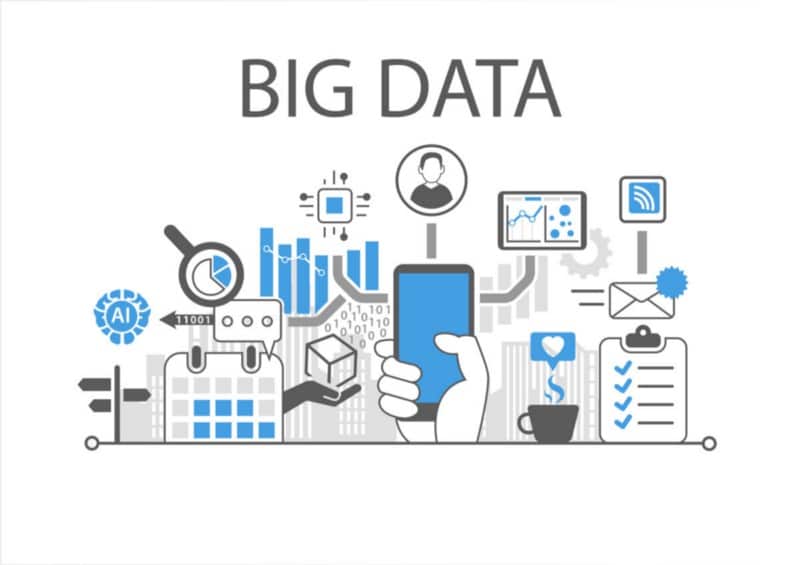
In today’s digital-first world, businesses and organizations are drowning in a sea of data. Every click, transaction, and interaction generates vast amounts of information, creating what experts call “Big Data.” While the volume of data is staggering, the real challenge lies in making sense of it all. Traditional data processing methods often fall short, leaving valuable insights hidden beneath layers of complexity. This is where the transformation from Big Data to Smart Data becomes essential.
The shift from mere data accumulation to intelligent data utilization marks a turning point in how industries operate. Companies that successfully harness Smart Data gain a competitive edge, making informed decisions, predicting trends, and enhancing customer experiences. The age of intelligence demands more than just storage and processing. It requires analytics that not only interpret data but also extract actionable knowledge. By combining advanced technologies with strategic insights, organizations can turn overwhelming datasets into meaningful, strategic assets.
Concept & Overview
Smart Data represents the refined outcome of Big Data analytics, where raw information is processed into meaningful, usable insights. Unlike Big Data, which focuses on volume, velocity, and variety, Smart Data emphasizes relevance, accuracy, and timeliness. The goal is to filter out noise and highlight patterns that drive real-world outcomes.
At its core, Smart Data leverages cutting-edge analytics tools, including artificial intelligence, machine learning, and predictive modeling. These technologies enable systems to identify correlations, detect anomalies, and forecast future scenarios with remarkable precision. The transition from Big to Smart Data is not just about technology. It also involves a cultural shift within organizations, encouraging data-driven decision-making at every level.
The evolution of data analytics has been driven by the need for efficiency and agility. Traditional business intelligence tools provided static reports, while modern analytics platforms deliver real-time, interactive dashboards. This transformation allows leaders to respond swiftly to market changes, optimize operations, and personalize customer interactions. Ultimately, Smart Data empowers businesses to act smarter, not harder.
Key Features & Highlights
- Real-time Processing: Smart Data systems analyze information as it is generated, enabling instant decision-making and reducing lag time between data collection and action.
- Contextual Relevance: By filtering out irrelevant data points, Smart Data ensures that insights are directly applicable to business objectives, avoiding information overload.
- Predictive Capabilities: Advanced algorithms forecast future trends, customer behavior, and operational risks, allowing organizations to stay ahead of the curve.
- Scalability & Flexibility: Smart Data solutions adapt to growing data volumes and evolving business needs without compromising performance or accuracy.
- Actionable Insights: The end goal of Smart Data is not just to present data but to provide clear, executable recommendations that drive measurable outcomes.
- Integration & Collaboration: Modern analytics platforms seamlessly integrate with existing systems, fostering cross-departmental collaboration and unified data strategies.
Frequently Asked Questions / Pros & Cons
What exactly is the difference between Big Data and Smart Data?
Big Data refers to the massive volumes of structured and unstructured data that organizations collect. Smart Data, on the other hand, is the refined result of processing Big Data, focusing on extracting value and actionable insights from the noise. While Big Data answers the question “What happened?” Smart Data answers “What does it mean?” and “What should we do next?”
What technologies are essential for transforming Big Data into Smart Data?
The key technologies include artificial intelligence (AI), machine learning (ML), natural language processing (NLP), and advanced data visualization tools. AI and ML algorithms identify patterns and anomalies, while NLP helps in understanding unstructured data like text or speech. Data visualization tools translate complex datasets into intuitive, interactive dashboards for easier interpretation.
What are the main benefits of adopting Smart Data strategies?
Organizations that adopt Smart Data strategies gain several advantages, including improved decision-making, enhanced operational efficiency, and the ability to predict market trends. They also experience better customer engagement through personalized experiences and increased revenue due to optimized processes. Additionally, Smart Data reduces costs by eliminating inefficiencies and automating routine tasks.
What are the potential challenges in implementing Smart Data solutions?
One of the biggest challenges is data quality. Poor-quality data leads to inaccurate insights, making it essential to invest in data cleansing and validation processes. Another challenge is the complexity of integrating diverse data sources and systems. Organizations must also address privacy and security concerns, especially when dealing with sensitive information. Finally, fostering a data-driven culture within the workforce can be difficult, requiring training and change management initiatives.
Is Smart Data suitable for small and medium-sized businesses, or is it only for large enterprises?
While large enterprises often lead in adopting advanced analytics, Smart Data is increasingly accessible to small and medium-sized businesses (SMBs). Cloud-based analytics platforms and subscription models have lowered the barriers to entry. SMBs can benefit from Smart Data by focusing on niche areas where they can gain a competitive advantage, such as customer segmentation or supply chain optimization.
Practical Guidance & Solutions
For organizations looking to transform Big Data into Smart Data, the journey begins with a clear strategy. Start by defining business objectives and identifying the key questions that need answers. This ensures that data collection and analysis efforts are aligned with organizational goals.
Next, invest in the right technology stack. Prioritize platforms that offer scalability, real-time processing, and advanced analytics capabilities. Cloud-based solutions like Amazon Web Services (AWS) and Google Cloud Platform provide flexible and cost-effective options for businesses of all sizes.
Data quality cannot be overlooked. Implement robust data governance policies to maintain accuracy, consistency, and security. Regular audits and cleansing processes will help eliminate errors and redundancies, ensuring that insights are reliable.
Building a data-driven culture is equally important. Train employees on the value of data and provide them with the tools to interpret and act on insights. Encourage collaboration between departments to break down silos and foster a unified approach to data utilization.
Finally, measure and refine. Use key performance indicators (KPIs) to track the impact of Smart Data initiatives. Continuously monitor performance and adjust strategies as needed to stay aligned with evolving business needs and technological advancements.
Conclusion
The transformation from Big Data to Smart Data is more than a technological upgrade. It is a fundamental shift in how organizations perceive and utilize information. In an era where data is abundant but insights are scarce, Smart Data emerges as the bridge between raw information and strategic action. By embracing advanced analytics, fostering a data-driven mindset, and prioritizing quality and relevance, businesses can unlock unprecedented opportunities for growth and innovation.
As technology continues to evolve, the potential of Smart Data will only expand. Organizations that invest in this transformation today will be the leaders of tomorrow, equipped to navigate challenges, seize opportunities, and redefine success in the age of intelligence. The future belongs to those who do not just collect data, but who harness its power to make smarter decisions, faster and with greater confidence.